-
A forthcoming rule from Treasury's Financial Crimes Enforcement Network will spell out banks' obligations to identify the true identities and beneficial ownership of its clients, even as the administration eliminated most U.S. beneficial ownership reporting.
 September 21
-
Less than half the information banks share under the program relates to money laundering or terrorist financing, by Fincen's own count. Most is fraud.
 September 11
-
The USA Patriot Act passed on an overwhelming bipartisan basis in the wake of the 9/11 attacks, overhauling banks' involvement in anti-money-laundering efforts.
 September 10
-
The global rise of online gambling has created a range of new money-laundering risks for banks and other companies, according to the Financial Action Task Force, an international standard-setting organization.
 September 10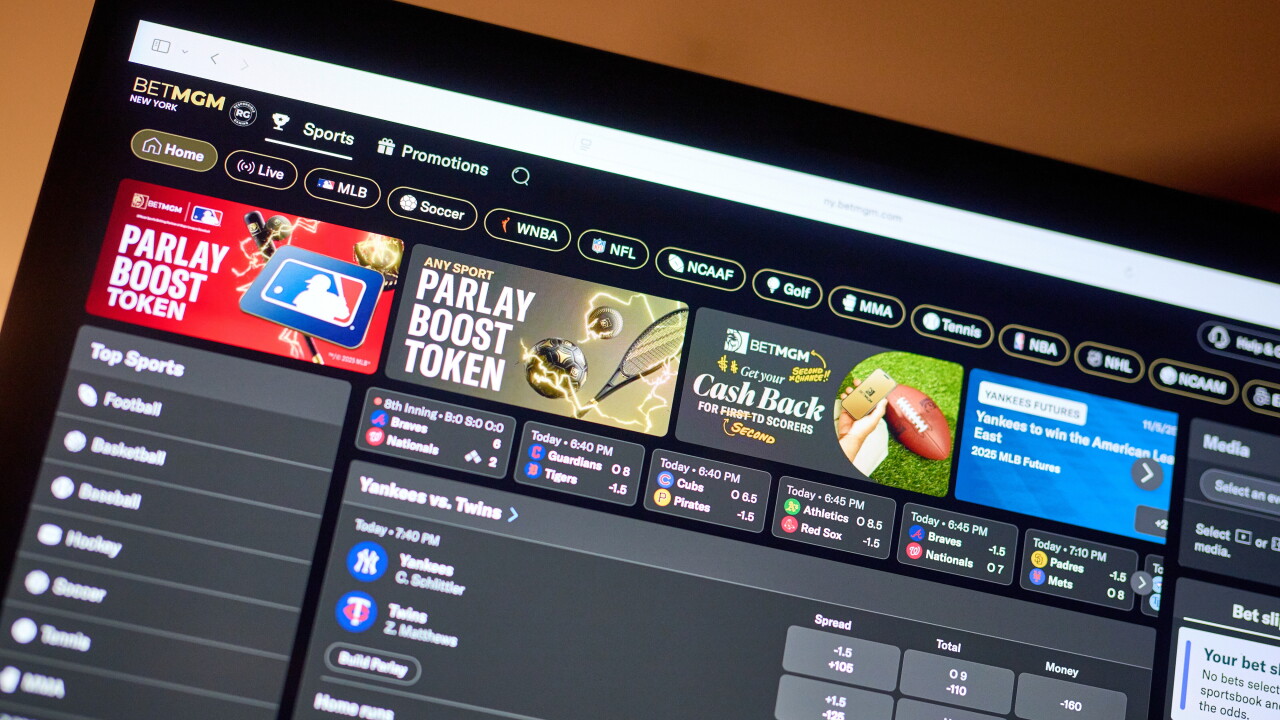
-
Banks say the cost and complexity of anti-money laundering compliance — including enhanced due diligence and filing suspicious activity reports — is a major barrier to serving cannabis-related businesses.
September 8
-
The billion-dollar Dallas bank had been cited for money laundering concerns, and its recent conversion to a national charter drew sharp criticism from Sen. Elizabeth Warren.
 September 4
-
One of the benefits of the Clarity Act is that it would codify much of digital asset firms' anti-money-laundering responsibilities. This is good news for banks that have been understandably nervous about counterparty risk.
September 4
-
Regulators issued a joint statement Wednesday clarifying that banks can discuss facts surrounding suspicious activity with customers so long as they do not disclose the existence of a suspicious activity report explicitly.
September 2
-
Bankers, particularly at the midsize and regional level, should be on the lookout for more opportunities to develop networked solutions to common problems, such as know-your-customer operations and fraud detection.
August 17 Ludwig Advisors
 -
Depository institutions filed about 3% of the suspicious activity reports Fincen counted but accounted for 61% of the dollars — roughly $3 billion.
August 14
-
The Treasury's Financial Crimes Enforcement Network's decision to permanently exempt U.S. businesses from disclosing their true owners eliminates a database banks hoped would help them satisfy their customer due diligence.
August 12
-
A report released this week by Sen. Ron Wyden, D-Ore., shines a light on what is required of banks when high-net-worth clients engage in suspicious activity.
August 6
-
The second-largest U.S. bank provided an update to investors about the consent order issued by the OCC in 2024, saying a resolution may include monetary penalties.
 August 3
-
The Treasury's financial crime prevention arm said the Swiss firm's U.S. brokerage wing largely ignored a 2018 consent order to clean up its anti-money-laundering processes, leading to the historic settlement announced early in August.
August 3
-
Fincen's Andrea Gacki will join Citi as global head of sanctions, BBVA promoted Gonzalo Rodríguez to chief financial officer, HDFC Bank penalized three senior officials for their role in a controversial deposit arrangement, and more in this week's banking news roundup.
 July 31
-
In a new paradigm of anti-money-laundering compliance, success increasingly depends not on obtaining information faster, but on recognizing when machine-generated intelligence should not be trusted.
July 31
-
Two former mid-level employees at the Toronto-based bank received U.S. prison sentences for their roles in funneling nearly half a billion dollars through TD accounts.
 July 20
-
One of Sweden's biggest banks agreed to the penalty to resolve a multiyear investigation into its compliance failures. The New York State Department of Financial Services said Swedbank intentionally withheld information it was required to turn over.
July 16
-
The proposal calls for banks to make their compliance programs "risk-based" and pledges to emphasize "systemic" flaws with anti-money-laundering programs rather than "isolated" shortcomings.
July 7
-
As a subsidiary of Bank of America, Merrill uses a BofA software program to monitor and report suspicious activity. For years, the Securities and Exchange Commission says, that program fell short.
 June 30


