-
A report from the Federal Deposit Insurance Corp. found that business clients with large volumes of uninsured deposits fled Silicon Valley Bank, Signature Bank and First Republic at unprecedented speed, contributing to those banks' collapses.
 May 14
-
The Senate voted 54-45 to confirm Kevin Warsh to lead the central bank. Warsh will take the reins from Jerome Powell, who said he will remain on the Federal Reserve Board.
 May 13
-
An annual Federal Reserve survey of nearly 13,000 respondents found that households generally felt financially secure in 2025, though many cited rising prices as a lingering concern.
 May 13
-
Amendments to a long-awaited crypto market structure bill slated to be marked up in the Senate Banking Committee Thursday would force lawmakers to vote for or against the banking industry's desired changes to the legislation.
May 13
-
The trio of community bank regulatory relief bills passed by the House of Representatives on Tuesday night would ease exam intensity and frequency for smaller firms; it would also expand Treasury mentorships between community banks and larger lenders.
May 13
-
The Federal Housing Administration put an end to pandemic-era relief last year, triggering a 28% jump in foreclosures on FHA loans in the first quarter and an expected spike in defaults ahead.
 May 13
-
Kevin Warsh's nomination to the Federal Reserve chairmanship will require a second vote, which should happen this week.
May 12
-
President Donald Trump has tapped Treasury official John Crews to be the next chair of the National Credit Union Administration.
May 12
-
The Consumer Price Index for April showed consumer prices rising across all categories, including food and shelter costs, and up 3.8% year-over-year. Grocery prices rose 0.7% from the month prior.
May 12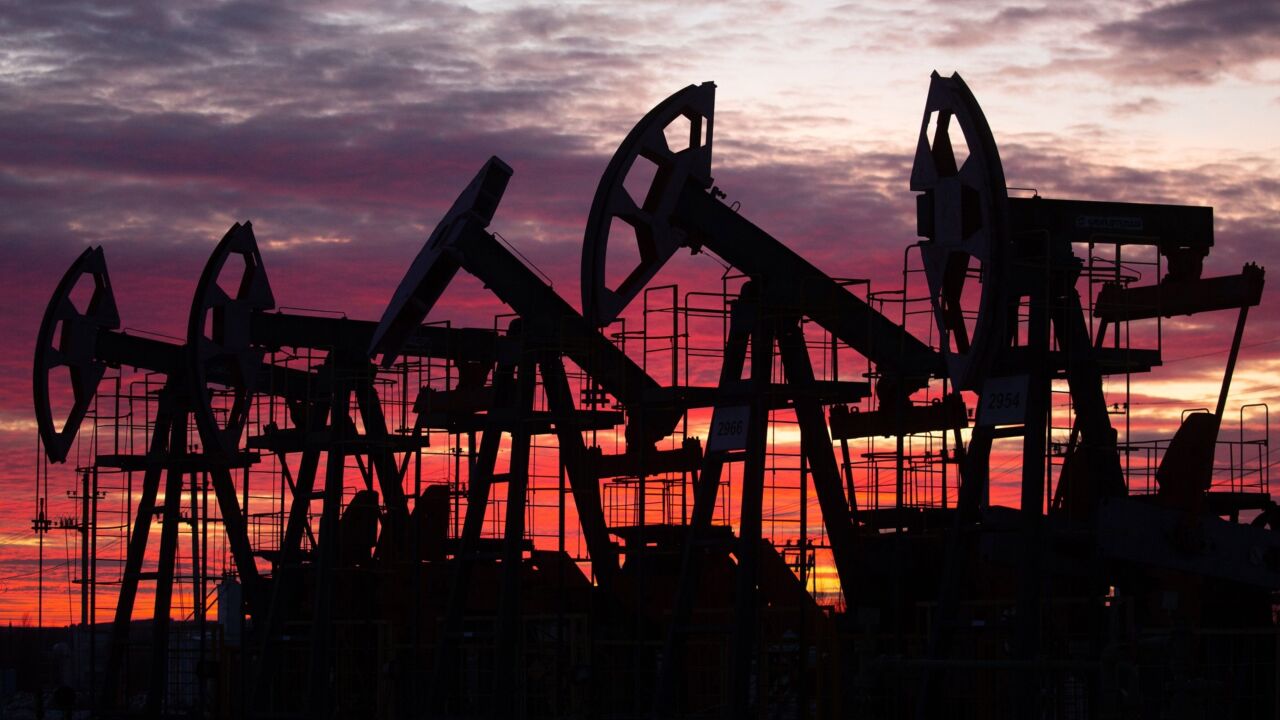
-
Calls to replace proposed deposit insurance reforms with a revived Transaction Account Guarantee program would make the federal government's role in a bank run purely reactive. That would be a mistake.
May 12
-
The economy is already showing signs of stress from the oil crisis. How much longer will it last, and is there a red-line number that breaks the economy?
May 12 American Banker
 -
Plans were moving along smoothly for a new data center in Franklin County, Missouri — until residents found out about it. Now the project is facing a fierce public backlash, and a local community bank is caught in the crossfire.
 May 12
-
Market watchers say that the economy as a whole is holding up under higher energy prices and do not expect a recession. Even so, observers are watching financial markets and consumer spending for signs that inflation expectations are taking hold.
May 11
-
NASAA's proposal would align state laws with the SEC's marketing rule, eliminating concerns advisors have about running afoul of more local laws as they accept testimonials and reviews.
 May 11
-
Banks continue to push back on what they describe as insufficient protections against stablecoin yield as the Senate Banking Committee is poised to mark up its long-awaited crypto market structure bill this week.
May 11
-
Kevin Warsh is a younger version of Jay Powell but with a convincing economist "eminence front." What Warsh does not have, as was the case with Powell, is an economics Ph.D., and that, as the post-pandemic inflation surge has shown us, is critical.
May 11
-
The Federal Reserve's April financial stability report found that asset valuations remain elevated, even as investors are beginning to demand more compensation for risk amid rising uncertainty around monetary policy.
May 8
-
The Securities and Exchange Commission initially offered $179.5 million to Michael Bacon, who provided key information to the government about Wells Fargo's fake-accounts scandal. But shortly after SEC Commissioner Paul Atkins took office, the amount was sharply reduced.
 May 8
May 8
-
The 21st century financial system that digital currency promised is being built, but by banks, not by the bitcoin crowd.
May 8American Banker -
Employers hired an additional 115,000 workers in April, while unemployment remained unchanged at 4.3%. Despite the positive headline figure, a spike in newly unemployed workers and a rising number of underemployed workers suggests instability under the surface.
May 8


