-
Federal Reserve Gov. Lisa Cook said Friday that she believes tokenization could improve efficiency across the financial system, including faster settlement times and more effective recordkeeping. But those advantages will take place within traditional finance rather than supplanting it, she said.
 May 8
May 8
-
The Treasury Department held a high-stakes huddle with state insurance officials to discuss risks associated with the rapid growth of private credit in the economy and whether those investments could pose systemic vulnerabilities.
 May 7
May 7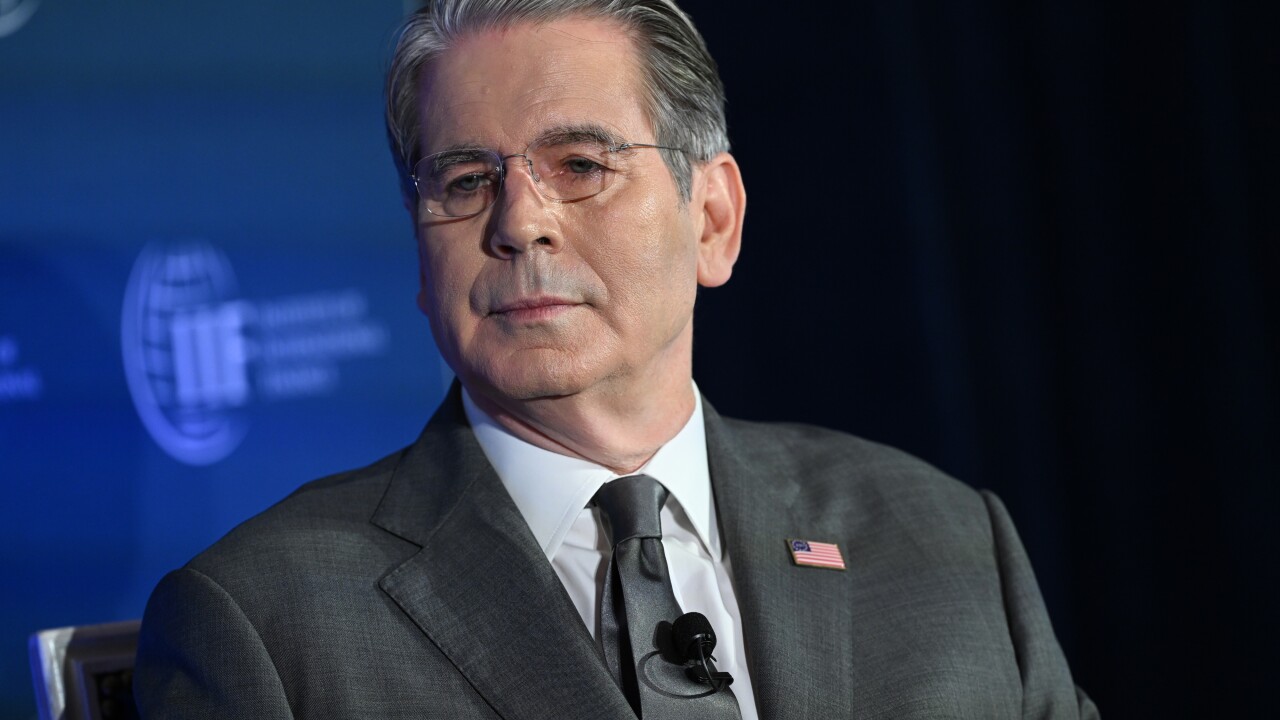
-
Sen. Elizabeth Warren, D-Mass., the ranking member of the Senate Banking Committee, warned in a letter to the Office of the Comptroller of the Currency Thursday that its proposed rollback leaves regional banks dangerously unsupervised.
 May 7
May 7
-
The measure, sent Thursday to the governor's desk, would mark the second state ban on interchange fees and could inform an ongoing bank-led legal challenge to a similar Illinois law.
 May 7
May 7
-
Interpretive guidance from regulators does not deliver the kind of certainty that companies want as they consider expanding into the world of digital assets. Congressional action on the CLARITY Act is the answer.
May 7
-
Life insurers' borrowings from the Federal Home Loan banks has increased in recent years, raising concerns about opaque, private credit investments and how it intersects with the Federal Home Loan banks' housing mission.
May 7
-
A rule change requiring trial modifications before other loss-mitigation options is creating workflow and liquidity challenges, especially for smaller servicers without deep resources.
 May 6
May 6
-
Public comments on the Office of the Comptroller of the Currency's GENIUS Act implementing regulations highlighted the rift between banks and crypto firms over the permissibility of yield on stablecoin holdings, an issue that has stalled crypto market structure legislation for months.
May 6
-
The proposal is part of what SEC Chairman Paul Atkins calls his "Make IPOs Great Again" agenda.
 May 5
May 5
-
Federal Reserve Gov. Michael Barr said Tuesday that the U.S. energy sector is more insulated from shocks than Europe's, particularly in natural gas prices. However, he warned that the war is pushing up gasoline prices, which could spill over into other parts of the economy.
May 5
-
Sens. Thom Tillis, R-N.C., and Angela Alsobrooks, D-Md., said that they "agree to disagree" with bank lobbyists on their objections to their newly released stablecoin-yield provision.
May 5
-
The debate over how to define yield in terms of stablecoin rewards feels like the debate over how to define usury in medieval Europe.
May 5 American Banker
 -
The Justice Department retreated from its plan to appeal a judge's ruling blocking grand jury subpoenas in the Powell probe, opting instead for a softer legal maneuver that keeps the investigation's future uncertain.
May 4
-
Banks are scrambling to find their place in a rapidly growing market for stablecoins. Before making major commitments, though, they need to be sure of the market segment they're trying to compete in and who their opponents are.
May 4
-
Sens. Thom Tillis, R-N.C., and Angela Alsobrooks, D-Md., have released compromise language on stablecoin yield for a long-awaited crypto market structure bill, clearing the way for a markup in the near future.
May 1
-
The FDIC moved quickly on Friday to sell $288 million in assets Community Bank and Trust – West Georgia to Anchor Bank, but the sale announcement leaves the fate of $27 million in uninsured deposits to be determined.
May 1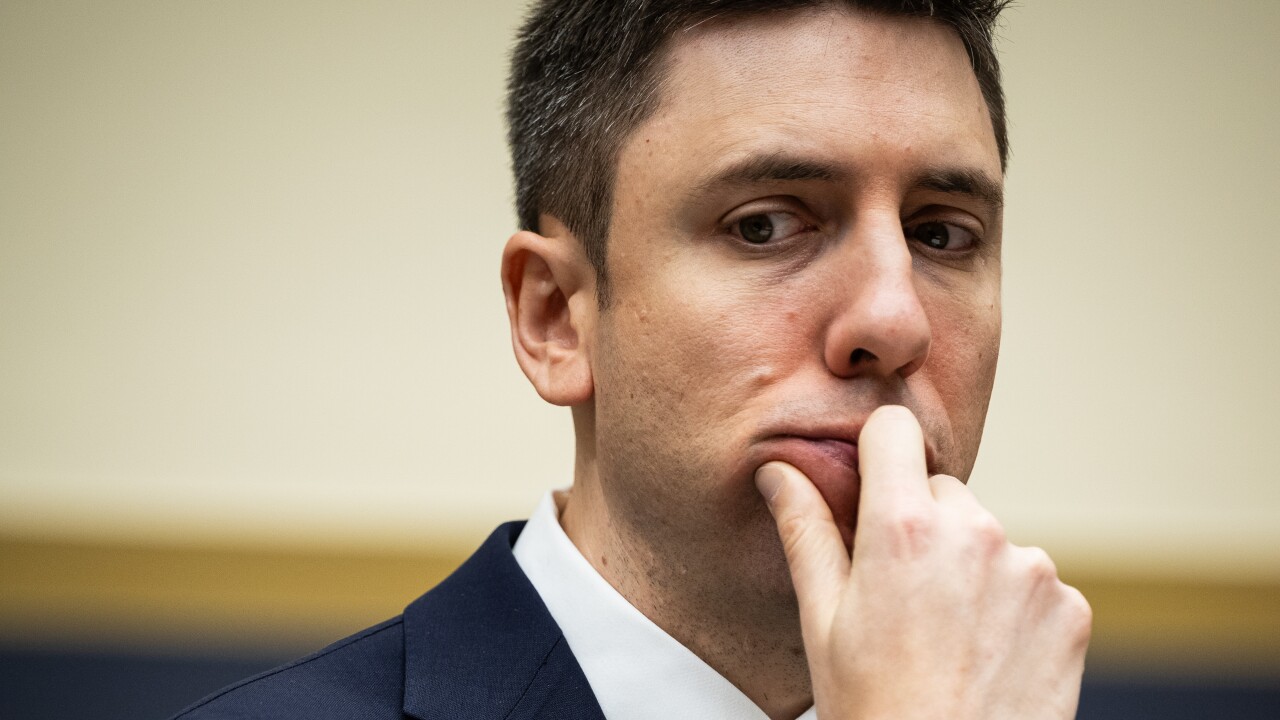
-
Market watchers think Jerome Powell will maintain a low-key presence on the Fed board as he awaits the release of an inspector general report examining cost overruns at the central bank's headquarters.
May 1
-
Even as they continue to press for additional changes, banks get some wins from the revised Basel capital framework and a ballpark estimate of their capital outlook for the next few years.
May 1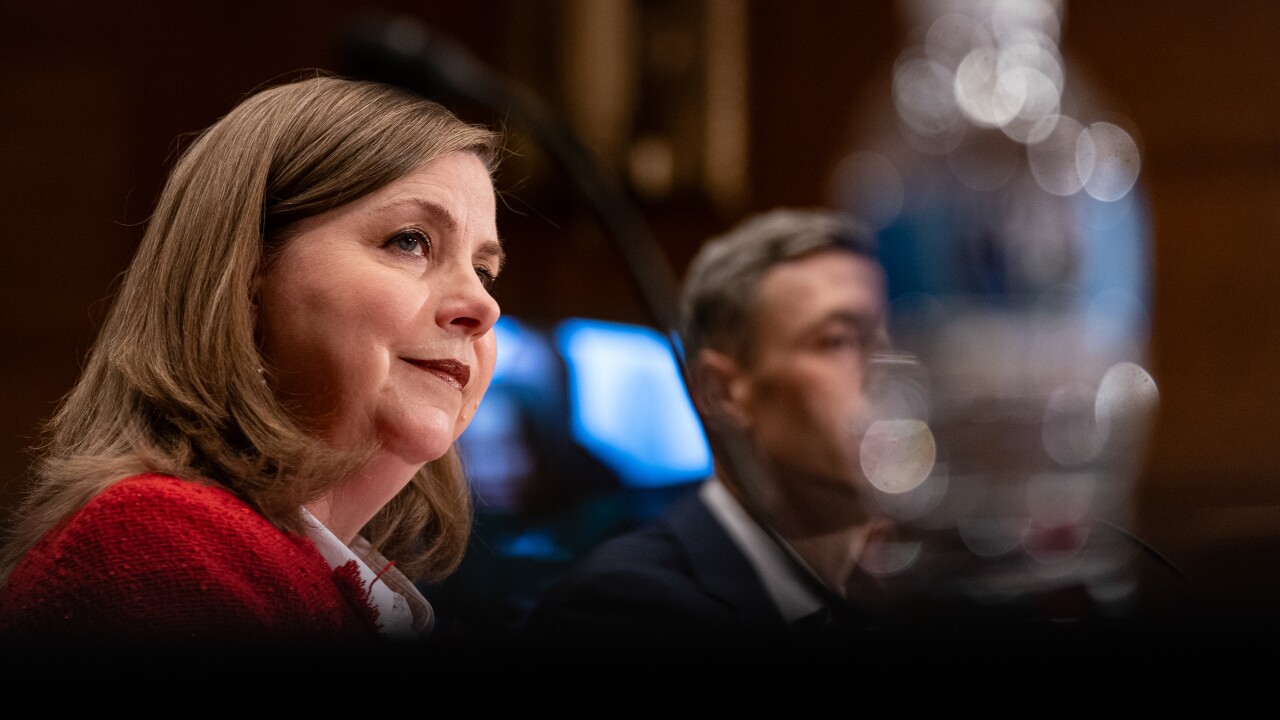
-
Jerome Powell has indicated that he will buck tradition by remaining on the Federal Reserve Board after his term as chair expires. Given the circumstances, he's making the responsible call.
May 1
-
The Consumer Financial Protection Bureau finalized a new version of a small-business lending rule that took 17 years to get over the finish line. Banks are still lobbying for the rule to be repealed.
April 30


