
Data Centers
Data centers, physical facilities that house networked computers, servers and data storage equipment, are the physical technology backbone to banks' operations, branches, trading floors and online and mobile services.
Once, most banks operated their own data centers or used mainframe-based core systems hosted by providers like Fiserv, FIS and Jack Henry.
In the 2010s, the financial industry started adopting cloud computing, software that's typically hosted in giant data centers run by hyperscalers like Google, Microsoft, Amazon Web Services; by bank software vendors and by AI providers. The majority of bank computing takes place in cloud environments.
Still, some banks run their own data centers for reasons related to security, control and privacy.
-
Bipartisan pushback is targeting data centers with calls to eliminate tax breaks and ensure their energy consumption costs do not get passed on to residents.
 July 13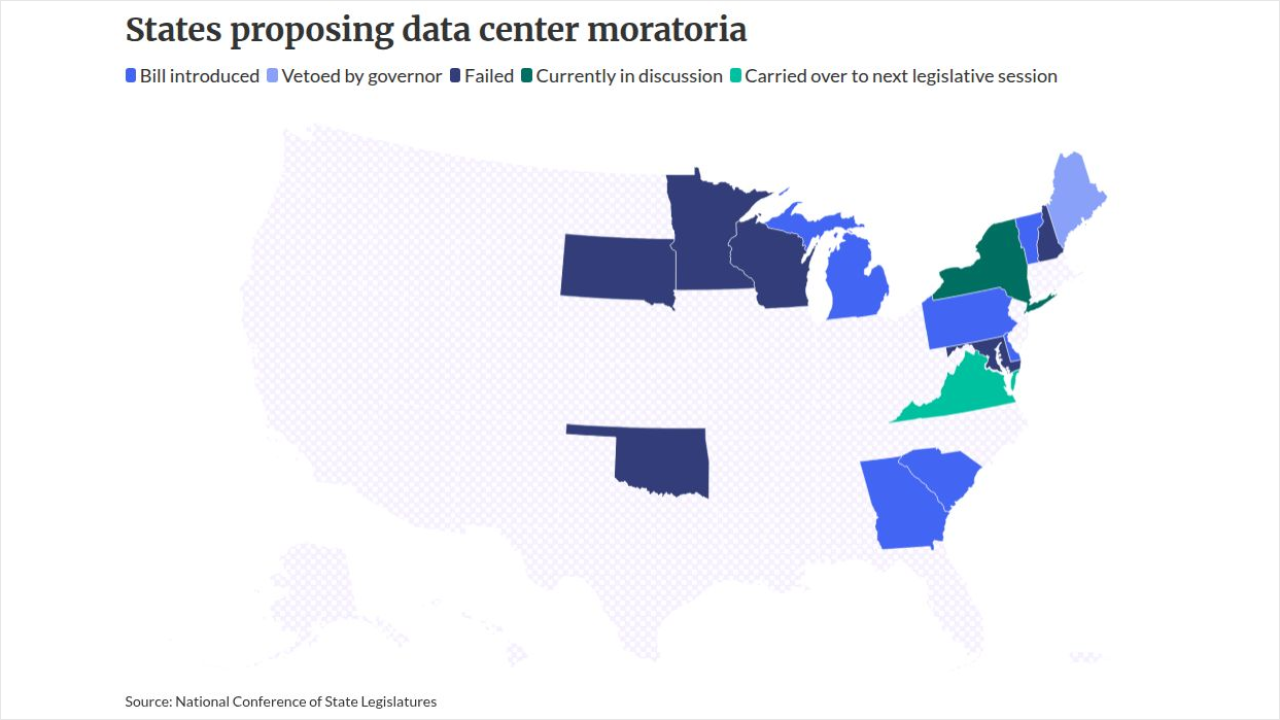
-
National banks are committing billions of dollars to fund the construction. But there's room for smaller institutions and credit unions.
 July 2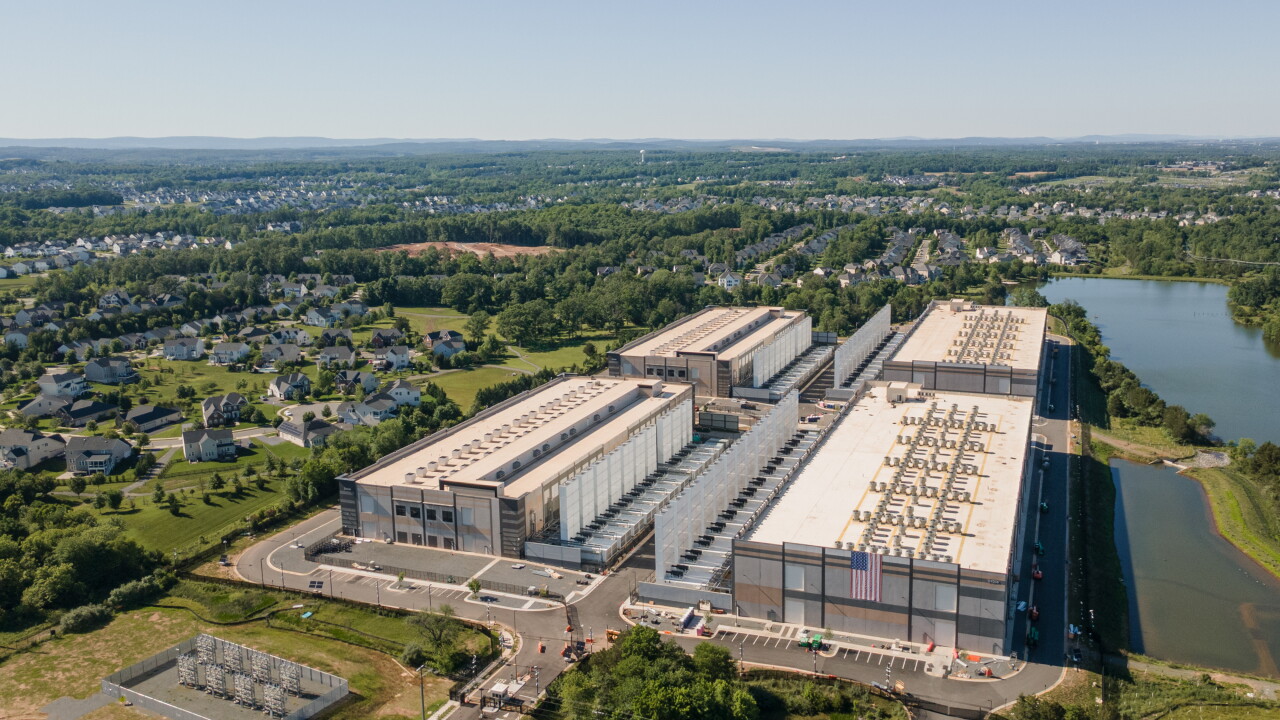
-
As political pushback builds, Visa and Mastercard say they're folding the energy impacts of data centers into existing environmental policy.
 July 1
-
After two different community bank M&A deals, Flagstar Bank consolidated its data centers from six facilities to two as part of its tech integration strategy.
 June 30
-
Banks and other companies are starting to face the true cost of buying AI services, and are already looking to cut corners.
 June 29
-
Rating agencies, infrastructure analysts and stakeholders are asking questions about the modeling assumptions underpinning data center financings.
 May 20
-
Plans were moving along smoothly for a new data center in Franklin County, Missouri — until residents found out about it. Now the project is facing a fierce public backlash, and a local community bank is caught in the crossfire.
 May 12


