-
The Federal Reserve, FDIC, OCC and CFPB — increasingly under the leadership of Democratic appointees — are gearing up to regulate cryptocurrency, modernize the Community Reinvestment Act and give consumers more control of their personal data. Here's a look at the policy changes they're mulling.
January 27
-
The card network hopes its enabling of digital payments could balance the scrutiny it faces over interchange rates in countries such as the U.S. and U.K.
 January 27
-
The merger, which was initially expected to be approved last year, will create one of the 10 largest banks across Illinois, Indiana and Wisconsin.
 January 27
 -
The retailer is funding a challenger bank called One that would be formed from the combination of several fintech firms. The startup would have a strong product set and cash position but could struggle to stand out in a crowded neobank field.
 January 27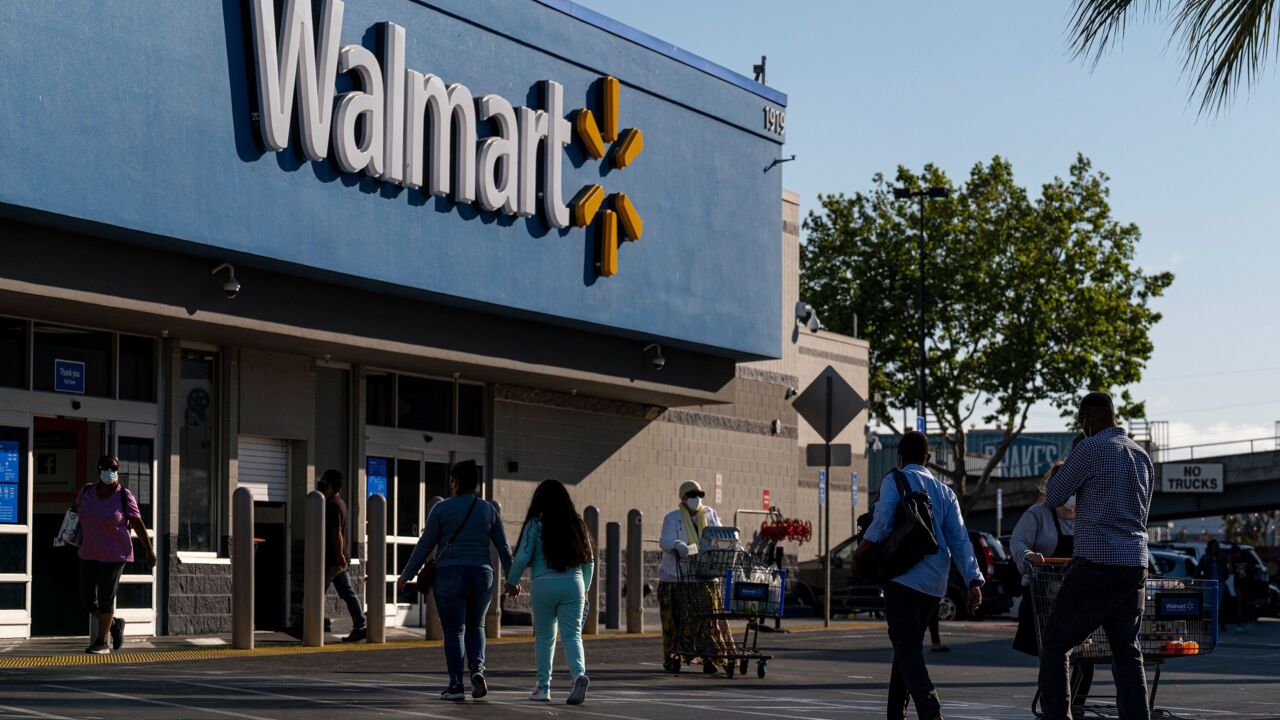
-
Blazing demand for leveraged loans is allowing companies to reduce borrowing costs by tinkering with a provision many viewed as key to weaning the industry off the London interbank offered rate.
January 27
-
James Blake plans to retire in May, culminating a 25-year run at the helm. Joseph Casey, the bank's president, was named his successor.
January 27
-
The recent increase in online payments, whether through shopping or government disbursements, has created more openings for fraud. Companies and government agencies in Europe are trying to combat the problem by developing digital ID systems.
January 27
-
The Massachusetts bank is purchasing a fellow Bay State institution's pot banking operation and says one of its first steps will be encouraging dispensaries to accept credit and debit cards.
 January 27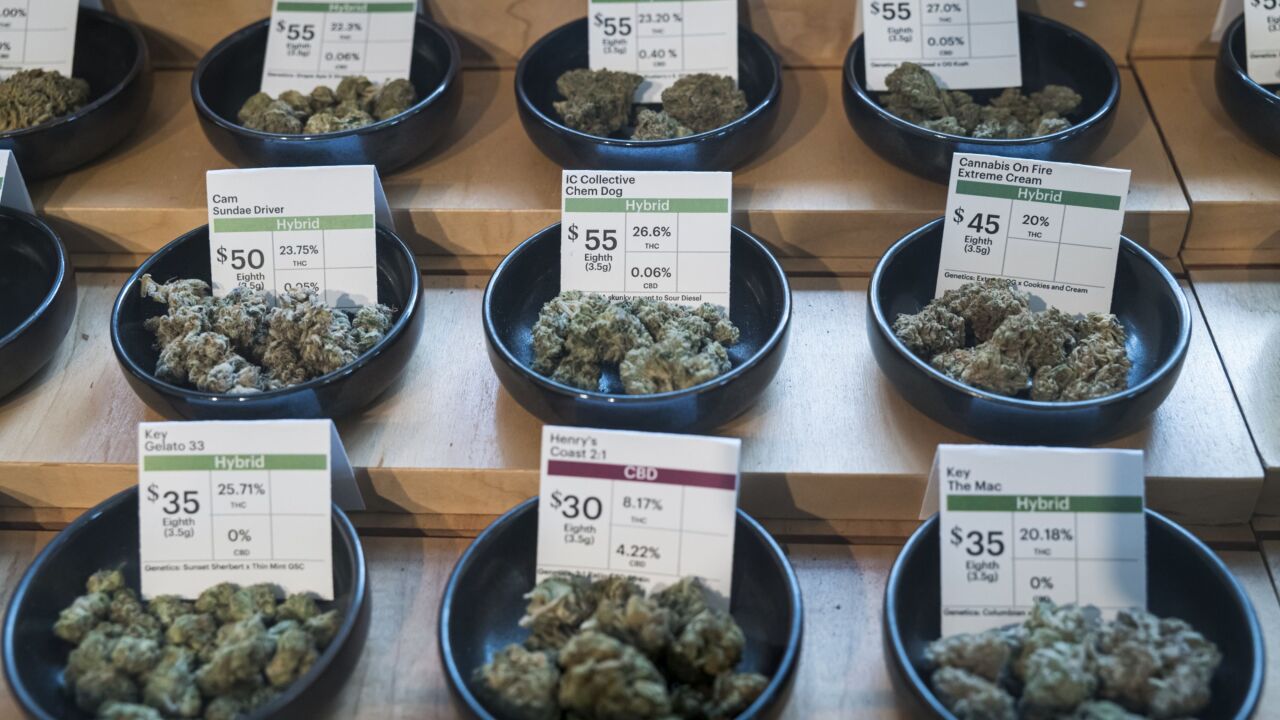
-
Michael Miebach told analysts that the card network expects earnings growth despite the economic impacts of the omicron variant and shipping delays. Mastercard does not have as contentious a relationship with the e-commerce giant as Visa does, he said.
January 27
-
Cash is being used in fewer transactions than ever before, and the pandemic has only accelerated the trend. Yet the U.S. is far behind some European and Asian countries in embracing digital payments and significant hurdles remain to its becoming completely cashless.
January 27


