-
Consumer Financial Protection Bureau Director Richard Cordray acknowledged concerns Tuesday about how the agency is regulating indirect auto lenders, vowing to be more transparent about its oversight.
 November 12
 -
Attorney General Eric Holder has conceded that economic considerations deterred the DOJ from going after big banks. But another reason financial wrongdoers gave gotten off light in recent years is the government's failure to go after them with the aggression it showed during the savings and loan crisis, says Neil Barofsky, a former prosecutor and inspector general of the Troubled Asset Relief Program.
November 12
-
SEC Chairwoman Mary Jo White said Tuesday that regulators could "maybe" finalize the much-delayed ban on proprietary trading by the expected year-end delivery date. But she refused to commit to the deadline and warned that the rule's "complexities make it difficult" to finalize.
 November 12
 -
Sen. Elizabeth Warren garnered support on Tuesday at a Wall Street reform event in Washington D.C. to help end "too big to fail."
November 12
-
WASHINGTON The Office of the Comptroller of the Currency issued new standards on Tuesday for banks that hire independent consultants when under an enforcement action.
November 12 -
Sen. Elizabeth Warren rallied supporters on Tuesday to help end "too big to fail" and back her bill to separate commercial banking from riskier activities, in a fiery speech before consumer advocates.
 November 12
 -
Americans for Financial Reform and the Roosevelt Institute have plans to release a joint paper Tuesday assessing policymakers' progress in implementing the Dodd-Frank Act.
November 12 -
Industry-accepted standards would reduce friction and costs in satisfying compliance requirements during a time of heightened scrutiny for banks and their vendors.
November 12 -
Banks, along with Fannie Mae and Freddie Mac, are revisiting mortgage lending policies to address fracking concerns. Some banks will no longer finance homes where an oil rig sits, and Freddie Mac says it can force the entire outstanding balance to be paid if an oil lease is signed.
 November 12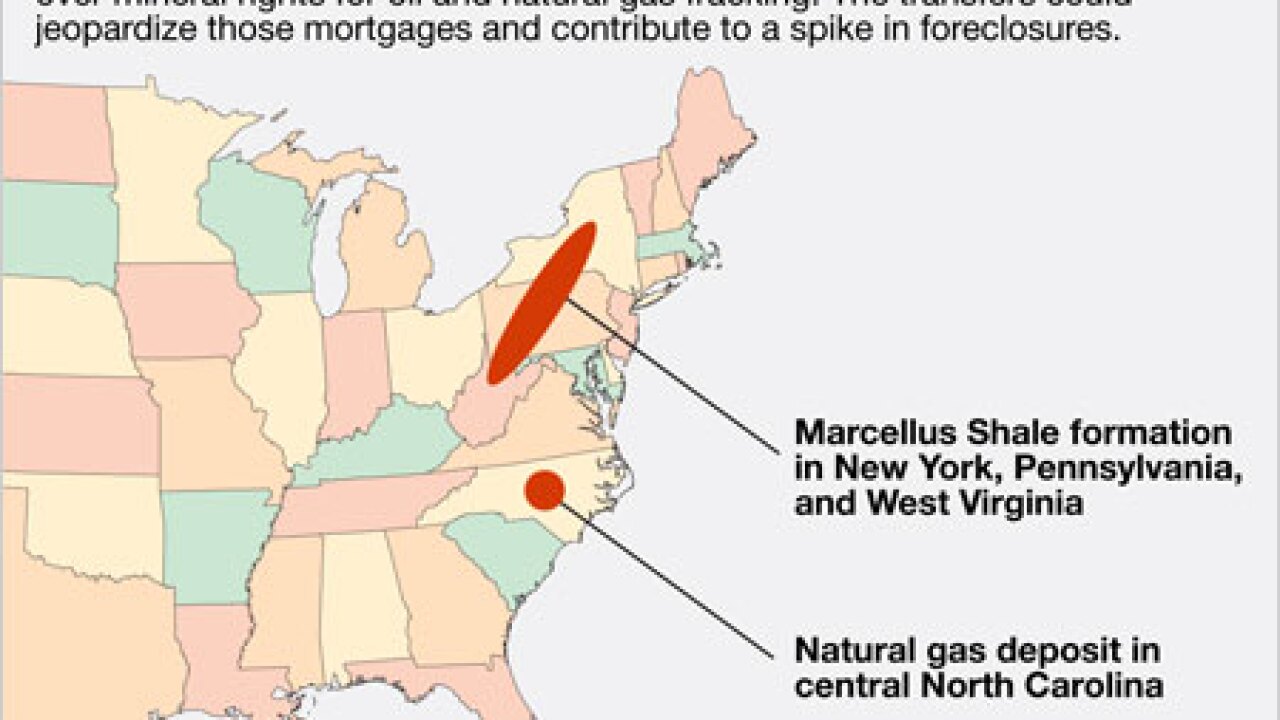
-
The written testimony to the Senate Committee on Banking, Housing and Urban Affairs is part of the CFPB's fourth semi-annual report.
November 12 -
Timothy Massad, the Treasury Department official responsible for overseeing the U.S. rescue of banks and automakers after the credit crisis, will be nominated to head the country's top derivatives regulator.
November 12 -
Americans for Financial reform and the Roosevelt Institute are set to release a paper Tuesday assessing how far policymakers have come in implementing the Dodd-Frank Act, while suggesting the need for more reform.
 November 12
 -
At some point, the CFPB may start asking if issuers' credit scoring models negatively affect minority credit card applicants more than white applicants.
November 12 -
Former President Bill Clinton told some of Wall Street's top executives that fines levied against banks in connection with the financial crisis should be used to fund infrastructure improvements in the U.S.
November 12 -
The 2008 financial crisis forced the Fed and Treasury into a too-cozy relationship and the Dodd-Frank law cemented it. Janet Yellen should use her confirmation hearing this week to reassert the central banks independence from the administration, argues editor-at-large Barbara Rehm
November 12 American Banker
 -
Fidelity Investments, BlackRock Inc. and PIMCO were among more than two dozen firms, industry stakeholders and lawyers that filed letters in an effort to discount the credibility of a report released by the Office of Financial Research labeling asset management firms as systemically important.
November 11 -
The Financial Stability Board lowered the proposed surcharge on globally systemically-important banks for Citigroup and Bank of New York Mellon, leaving JPMorgan Chase as the only U.S. institution to face the highest 2.5% capital buffer.
November 11 -
The proposed treatment of mortgage securities and associated mortgage financing activities will constrain the sector while handicapping efforts to bring private capital back to the secondary market.
November 11
-
JPMorgan Chase is weighing whether to ban traders from using electronic chat rooms to communicate with peers at other firms as the forums draw scrutiny from global regulators, according to a person with knowledge of the matter.
November 11 -
Baycorp, a New Zealand-based collection agency, is refunding debtors $3.5 million after a settlement with the country's Commerce Commission.
November 11


