
On-Chain Finance
How blockchain infrastructure is reshaping institutional finance
American Banker's coverage of on-chain finance tracks how blockchain technology is being applied to real-world financial systems — not as a parallel ecosystem, but as a foundation for modernizing how assets move, settle, and are managed across institutions.
As banks pilot tokenized treasuries, smart contract-driven workflows, and real-time settlement tools, the conversation is shifting from innovation theory to infrastructure strategy.
While most applications remain in pilot phases, the shift toward programmable, blockchain-based systems is accelerating. American Banker tracks how financial firms are engaging with on-chain infrastructure — from tokenized treasuries and deposits to the emerging standards shaping the next generation of financial rails.
-
"It's probably the only asset class where maybe the client knows more than the advisor right now," Maxwell Lane, head of product for Flourish, said at Financial Planning's Invest conference.
 July 1
-
FTX, the digital-asset exchange co-founded by Sam Bankman-Fried, is nearing an agreement to buy BlockFi after extending a credit line to the beleaguered crypto lending platform, according to people familiar with the matter.
June 30
-
The number of active cryptocurrency users at Bank of America has declined by more than half amid the prolonged rout in the digital-asset market.
June 30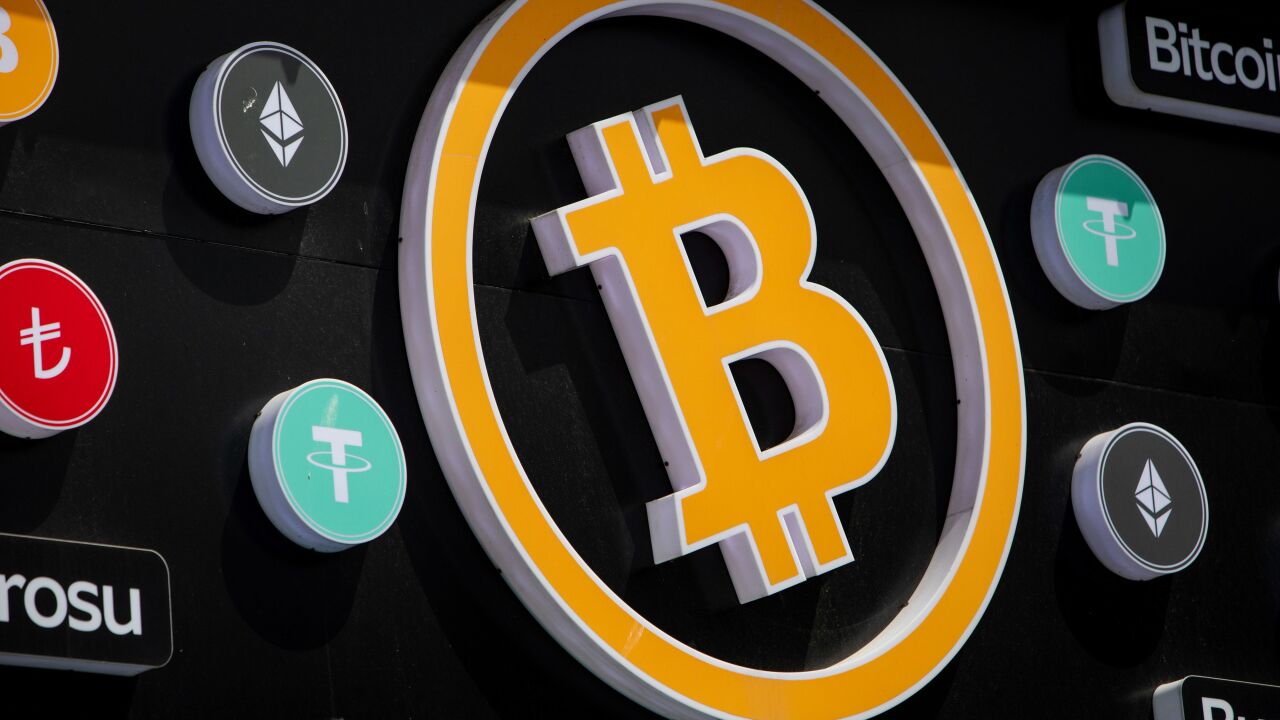
-
An accounting bulletin from the markets regulator is making it harder for bank regulators to give banks clarity in how they can provide crypto custody services.
 June 29
-
Vast Bank, Silvergate Capital and Northern Trust are among the banks that continue to build out digital-asset services, undeterred by extreme volatility in digital coin prices.
 June 27
-
In its semiannual risk report, the Office of the Comptroller of the Currency said it was working to provide clarity on the legality and soundness related to digital assets.
June 23
-
The Federal Deposit Insurance Corp. eliminated underbanked households from its regular survey of the banking system during the Trump era, but the agency is now reversing that decision.
June 21


The first three months of the year coincide with the start of President Donald Trump's second term in office. Investors are likely to be more interested in banks' outlooks amid swings in tariff policy than the first-quarter results.


Frequently Asked Questions:
What’s driving adoption of on-chain finance among regulated institutions?
Rising demand for intraday liquidity, cost reductions in settlement, and automation of high-friction processes are pushing institutions to test blockchain-based infrastructure. On-chain finance offers a path to 24/7 operations, programmable compliance, and faster execution.
Banks are piloting tokenized assets, smart contract-driven workflows, and real-time settlement systems to replace or enhance legacy infrastructure. American Banker tracks how these shifts are unfolding across custody, payments, and capital markets — and what they mean for long-term competitiveness and regulatory alignment.
How is blockchain being used with on-chain finance?
Banks and other financial institutions are using blockchain as the foundation for on-chain finance, applying it to functions like settlement, payments, and asset custody. By moving assets — such as U.S. Treasuries or commercial deposits — onto blockchain-based systems, firms can track and transfer them more efficiently.
Some are using smart contracts to automate collateral movements or streamline post-trade processing. Others are testing blockchain for real-time cross-border payments and liquidity management. The goal isn’t to replace the financial system, but to update its core infrastructure with faster, more transparent, and programmable tools.
- Tokenized collateral for repo and derivatives markets
- Smart contract-based settlement and clearing
- Interbank payment networks using tokenized liabilities
What is the future of blockchain development?
Most are early-stage or permissioned pilots, but momentum is building. The future of blockchain development is moving toward more practical, behind-the-scenes uses — especially in finance. Instead of focusing on consumer-facing crypto projects, developers are working with banks, payment companies, and regulators to build systems that improve how money and assets move.
That includes things like faster settlement, tokenized deposits, and automated compliance tools. As the technology matures, the focus is shifting to reliability, interoperability, and fitting into existing financial infrastructure. Over time, blockchain may become less visible — but more essential to how financial systems operate.
What’s the current regulatory posture toward on-chain financial systems?
Cautious but increasingly engaged. Regulators are focused on legal finality, risk exposure, data integrity, and systemic impact. While public blockchains raise compliance flags, private or hybrid systems are receiving more favorable consideration in early guidance.How does on-chain finance intersect with stablecoins, tokenized deposits, and CBDCs?
On-chain finance is the infrastructure layer. Stablecoins and tokenized deposits are assets that live on top of it. CBDCs could integrate with or compete against these systems, depending on how central banks design interoperability and access.Who are the key players shaping the on-chain finance space?
A growing group of banks, asset managers, infrastructure providers, and fintechs are testing and deploying blockchain-based systems to modernize how financial assets are issued, moved, and settled.- JPMorgan Onyx: tokenized collateral and payments
- BNY: custody for digital assets
- Citi: institutional DLT architecture
What are the latest on-chain finance trends and latest news?
Our reporting tracks regulatory moves, pilot expansions, major partnerships, and infrastructure shifts as they happen. Follow our on-chain finance coverage for real-time insight into what’s next.- Tokenized deposits are gaining real traction
Major banks—including JPMorgan and Citigroup—are piloting deposit token services to enable real-time liquidity, cross-border payments, and automated collateral flows. Citi's blockchain‑based deposit token system, for example, enables institutional clients to settle payments and manage trade finance around the clock on Ethereum‑based rails - Banks are integrating with public blockchains
Projects like JPMorgan’s “Project Guardian” involve tokenized bonds and deposits circulating on public blockchains, with banks functioning as trust nodes. The aim: combine public‑chain transparency with institutional control.