-
Portable mortgages are an interesting idea in theory, and might work well, if underwritten properly. But making existing mortgages portable on a retroactive basis would be both unworkable and unfair.
April 23
-
After Silicon Valley Bank collapsed in 2023, its remains were acquired by First Citizens Bancshares, which kept using the failed bank's name and logo. At the end of 2026, that's coming to an end.
 April 23
-
James filed a pair of lawsuits against Coinbase and Gemini arguing that they violated New York's sports gambling laws.
 April 22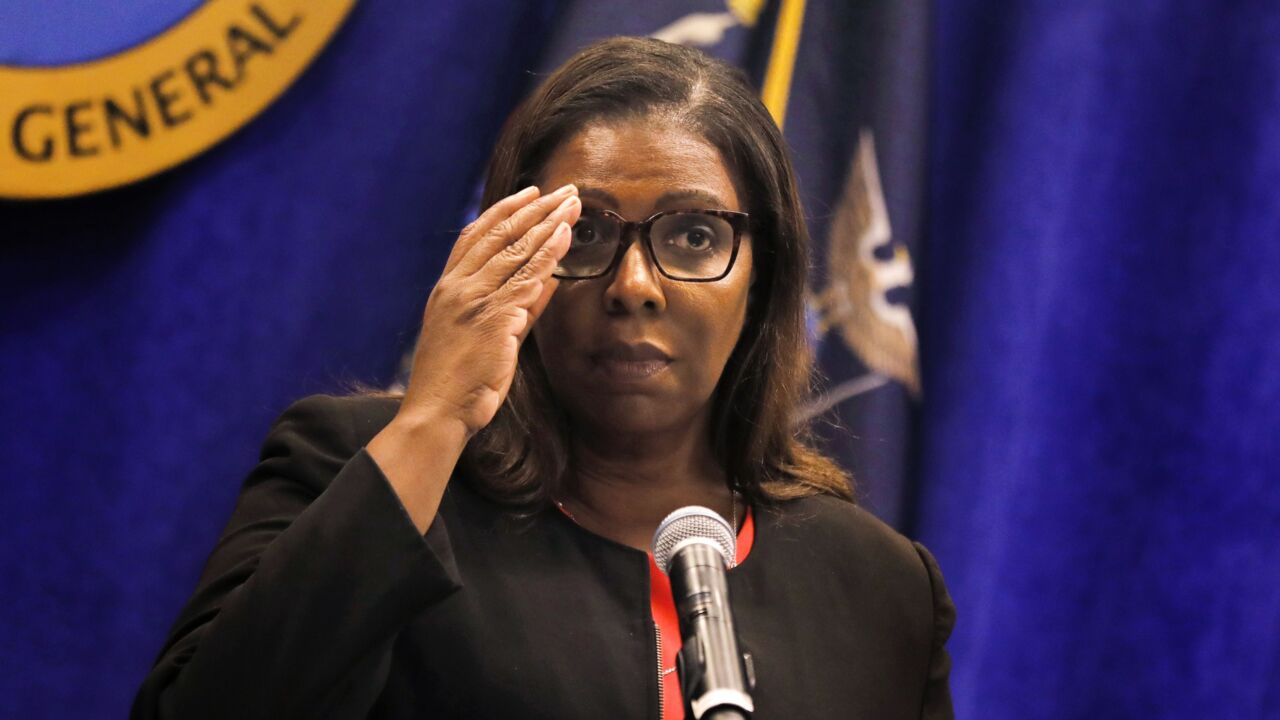
-
The Cleveland-based regional bank plans to acquire Clearwater UK, a middle-market investment banking advisory firm. The transaction marks Key's first entry into the Western European market.
 April 22
-
The card network and the video platform are issuing a credit card in the U.K. to address irregular compensation patterns for creators.
April 22
-
The McLean, Virginia-based company continues to tout its willingness to invest in longer-term opportunities. Executives declined to provide a shorter-term expense forecast, and its stock price fell in after-hours trading.
 April 21
-
The credit startup is seeking a limited-purpose charter from federal regulators through the Competitive Equality in Banking Act's credit card bank carveout.
April 21
-
Federal Reserve Gov. Christopher Waller said certain corporate functions at the 12 regional banks, including information technology and human resources, could be consolidated under one structure to increase standardization and reduce costs.
 April 21
-
LendingClub, which debuted as an online alternative to traditional consumer lending, is rebranding this summer. The new name reflects its broadened banking capabilities, which include a checking account, a savings account and certificates of deposit.
April 21
-
Kevin Warsh, President Donald Trump's pick to lead the Federal Reserve, denied that he would act as Trump's "sock puppet" if he's confirmed and said the president has directed him to lower interest rates.
 April 21
-
Discretionary spending was up and consumer credit showed no signs of cracking in the first quarter of 2026, leading to lower charge-off guidance for the year.
 April 21
-
As the Senate Banking Committee is slated to consider the nomination of former Federal Reserve Gov. Kevin Warsh to lead the central bank, an ongoing investigation by the Justice Department into Fed chair Jerome Powell makes the nomination's passage out of committee uncertain.
April 21
-
Involuntary medical debt continues to impair the credit of an untold number of otherwise creditworthy Americans. Federal courts have left the door open for Congress to amend the Fair Credit Reporting Act in a way that would address the problem.
April 21
-
The annual Diamond Consultants advisor transition tracking study identified the winners and losers of 2025. But it also noted how quickly things can change.
 April 20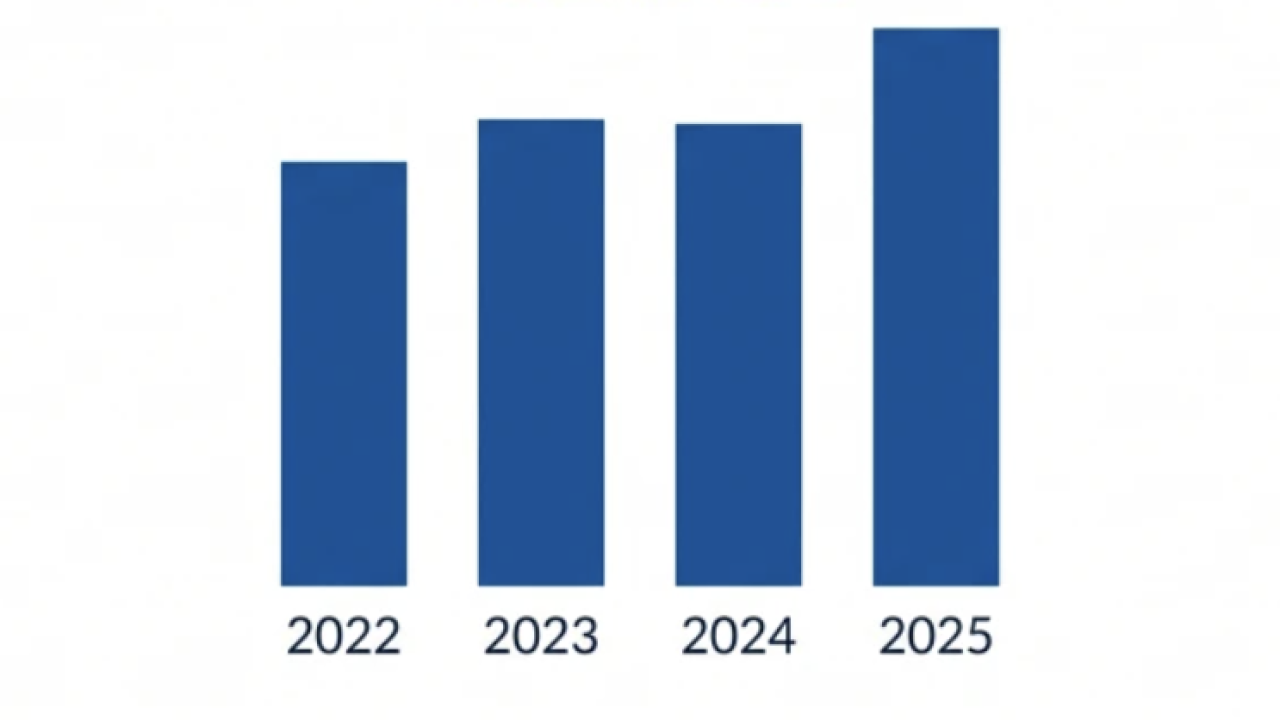
-
Wells Fargo CEO Charlie Scharf said bankers and economists are broadly against lowering interest rates now, given uncertainty from the Iran war.
 April 20
-
The RTP rail joins FedNow and digital asset firms in the quest to add speed for cross-border settlement.
 April 20
-
The government's real-time rail, which had a banner year in 2025, has proposed a way for its members to access settlements for payments that include a party that's outside of the U.S. Payment experts say it removes some of the mud from cross-border real-time payments, but lingering hurdles remain.
April 20
-
The president's nominee for Fed chair should get a hearing, and there will be a lot of questions. What he isn't getting, at least right now, is a vote.
April 20 American Banker
 -
The former Fed governor's upcoming confirmation hearing will test whether he can satisfy both a president demanding lower rates and a Congress demanding independence.
April 20
-
Federal Reserve Gov. Christopher Waller said Friday that the length of time the Strait of Hormuz remains blocked will be a key factor in the longer-term inflation outlook — and, by extension, the Federal Reserve's monetary policy path.
April 17


