
Federal Reserve
Federal Reserve


-

Attorney General Jeff Sessions did not keep the rest of Washington apprised of his plan to rescind an Obama-era memo on pot. Now Fincen and other federal banking agencies are dealing with the backlash from that decision.
January 18 -

Mick Mulvaney, the acting director of the Consumer Financial Protection Bureau, has requested no funding from the Federal Reserve in the second quarter and instead will use reserves to fund the agency.
January 18 -
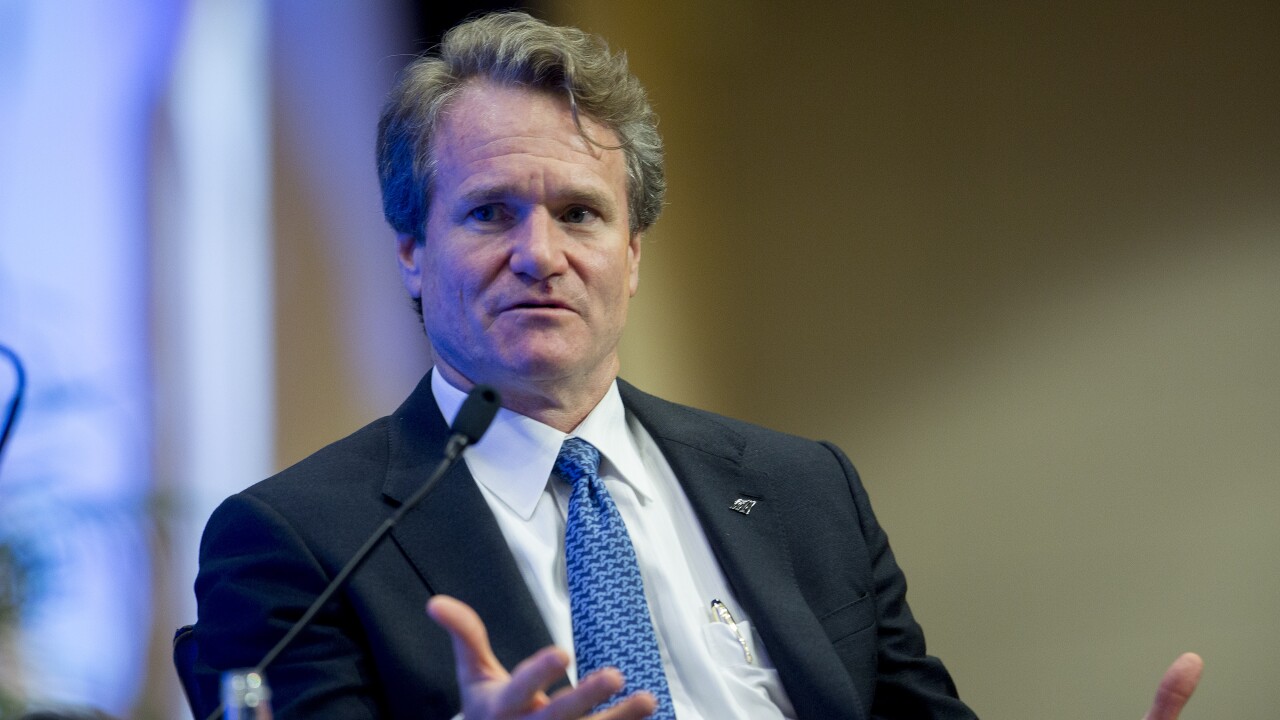
Bank says most of the benefits from tax reform will be used for dividends and buybacks; Michael Loughlin will stay on until his replacement is named later this year.
January 18 -

The Federal Reserve’s beige book survey indicates the economy is expanding as household loan demand declines.
January 17 -

The Senate Banking Committee had approved Powell already in December, but a revote was necessary after the Senate adjourned for the year without finalizing his confirmation.
January 17 -

The central bank is beginning to consider the possibility of a “digital dollar,” which will foster more efficient and transparent payments.
January 17 -

The Senate Banking Committee is expected to consider the nominations of Jelena McWilliams to be FDIC chair and Marvin Goodfriend as a governor of the Federal Reserve Board.
January 12 -

The payments resolve a number of cases that date back to 2011 and were among the largest coordinated U.S. enforcement efforts in the years following the crisis.
January 12 -

The bank says it received an “outstanding” rating on its most recent Community Reinvestment Act examination. Its previous rating, a “needs to improve,” not only was bad publicity but restricted its ability to buy banks.
January 10 -

Minneapolis Fed President Neel Kashkari acknowledges that his plan to raise capital at the biggest banks and ease burden for smaller ones isn't likely to be enacted soon, but says its time will come.
January 10 -
The Fed said Wednesday that the system paid roughly $80.2 billion to the Treasury in 2017, a 13% drop from a year earlier because of an increase in interest payments to member banks for reserve balances.
January 10 -
The central bank is beginning to consider the possibility of a “digital dollar,” which will foster more efficient and transparent payments.
January 10 -

The final plan to end "too big to fail" suggests that banks with less than $10 billion be subject to a much less complicated risk-based capital regime, akin to what was required in Basel I.
January 10 -

Pimco's Richard Clarida is said to be out of the running for the nomination. Other names linked to the position have been former Fed Gov. Lawrence Lindsey and Mohamed El-Erian, chief economic adviser at Allianz SE, Pimco’s parent company.
January 8 -

The milestone marks the end of a seven-year-long recovery in the credit card market that followed the Great Recession.
January 8 -

Northern Trust, which along with 16 other organizations had the public portion of its resolution plan released, said it made changes to its living will as a result of criticism by regulators.
January 8 -

The proposal lays out principles in three critical areas: the effectiveness of senior management, handling of the firm’s business line and the independent risk management structures within a banking organization.
January 5 -
More than 100 pending Trump administration nominees, including Fed Chair-designate Jerome Powell, must update their financial disclosures and have the White House resubmit their names for consideration by the Senate.
January 3 -
The assessment from the central bank means MidSouth faces restrictions on board appointments and executive duties. Last year the OCC called the Louisiana company a "troubled institution."
January 2 -

The Trump administration's Financial Stability Oversight Council is likely to remove the systemically important financial institution label for the remaining nonbanks on the list, but it might consider adding other firms such as Fannie Mae and Freddie Mac.
December 28


