-
The "near-prime" lending fintech Avant is seeking to become a full-service bank by filing for a national de novo bank charter with federal regulators.
 7h ago
-
A pair of proposals issued by the Federal Deposit Insurance Corp. Thursday would create new merger processing timelines and extend national-bank preemption to certain out-of-state, state chartered bank activities.
 September 17
-
Seven of eight offices are open; debit cards are capped at $1,000 a day; and the bank's website is down. The bank has given no restoration date.
 September 15
-
Federal banking regulators say as many as 188 community banks may qualify for the extended exam cycle following implementation of the measure, which is required as part of the recently passed housing bill.
September 10
-
The payments fintech announced that it has applied for a national trust bank charter from the OCC for both bitcoin and stablecoin custody.
September 9
-
OpenReserve, a proposed digital bank built by former MoneyLion executives, is the next bank seeking to bring digital asset technology to institutional banking.
September 9
-
The agency approved a full-service national bank but gated four product lines behind separate sign-offs, a condition advisors say is unlike other approvals.
September 3
-
Regulators issued a joint statement Wednesday clarifying that banks can discuss facts surrounding suspicious activity with customers so long as they do not disclose the existence of a suspicious activity report explicitly.
September 2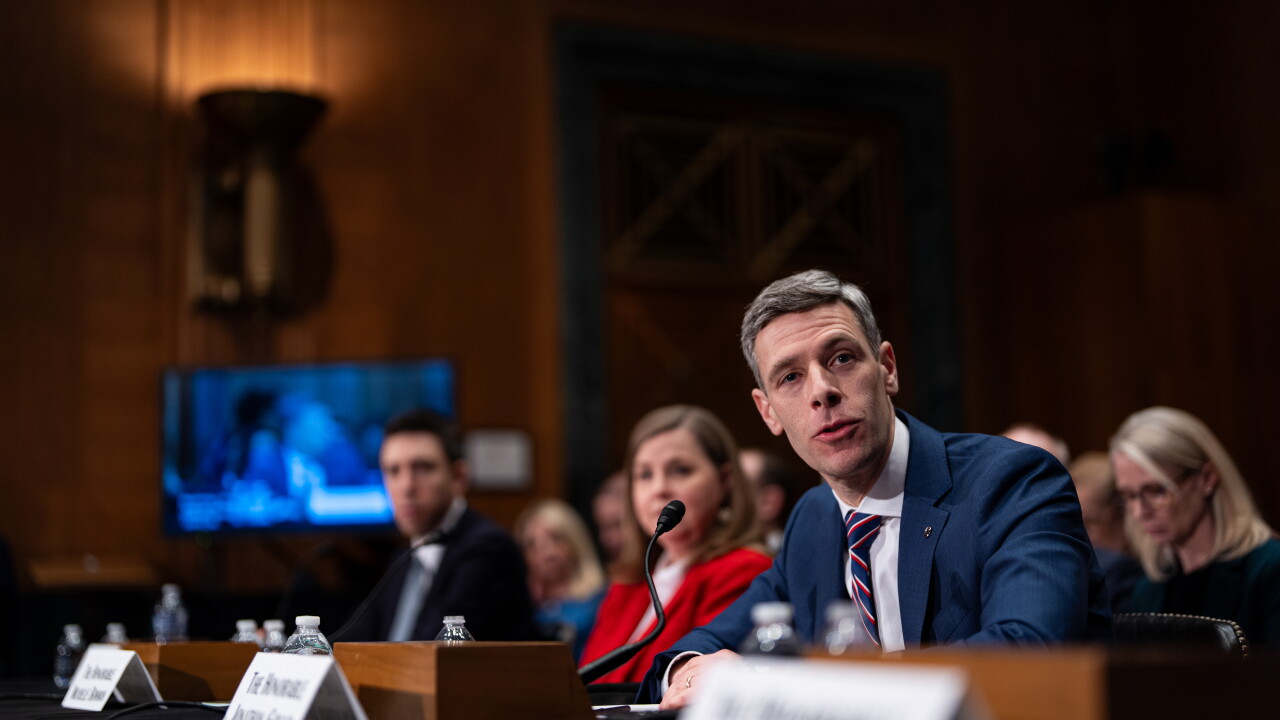
-
The crypto firm has resubmitted its request for a national trust bank charter from the federal agency after its first filing was quietly returned.
September 1
-
The Office of the Comptroller of the Currency and Federal Deposit Insurance Corp. Thursday finalized new rules directing examiners to focus on material financial risks and limiting supervisory lookbacks.
August 27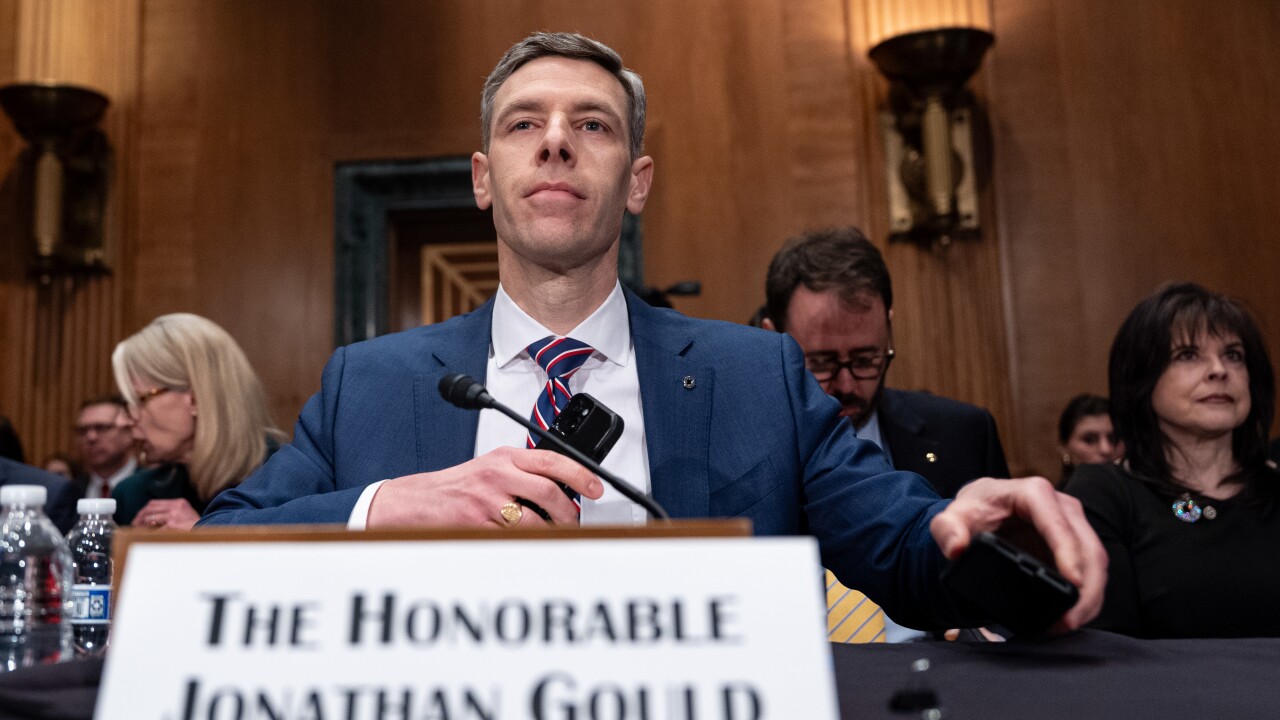
-
The Office of the Comptroller of the Currency has granted Sau Paulo-based Itaú Bank — the largest bank in Latin America — permission to set up shop in Miami.
 August 21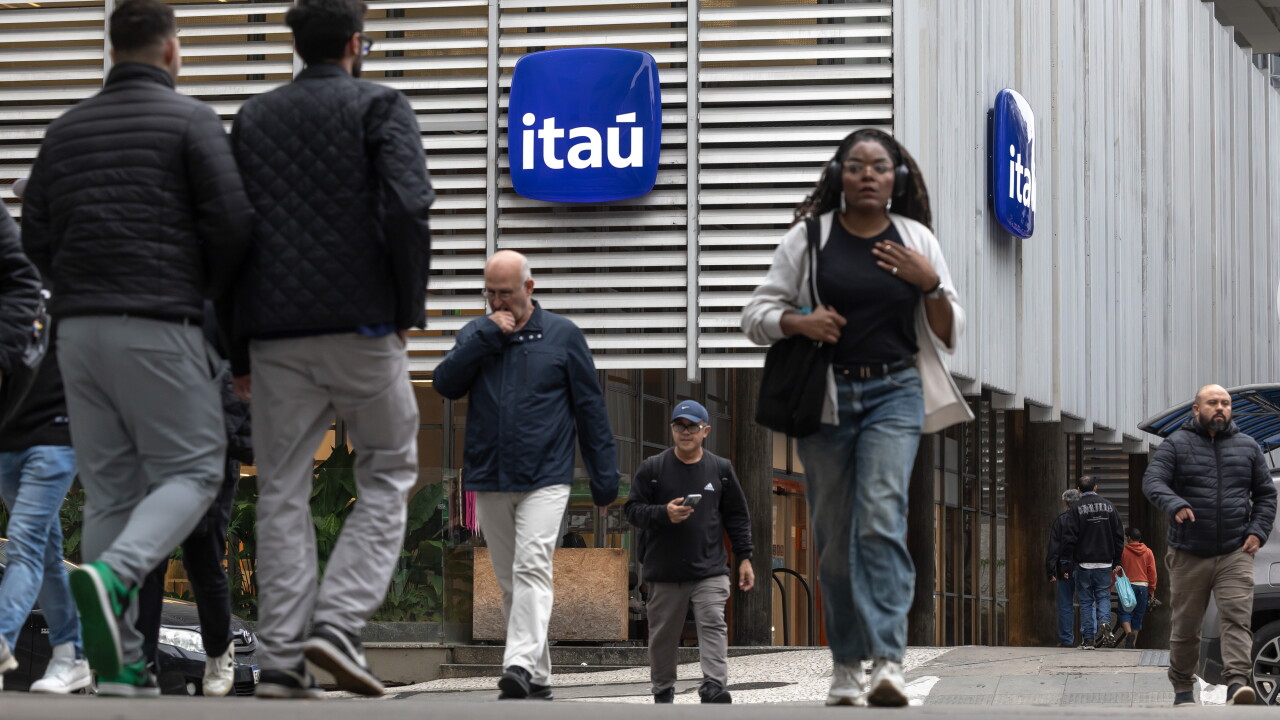
-
World Liberty Financial, a digital asset venture co-founded by members of the Trump family, received conditional approval for a national trust bank charter.
August 14
-
The agency quietly returned the digital asset company's national trust bank charter filing without issuing a decision. Zerohash plans to refile this month.
August 14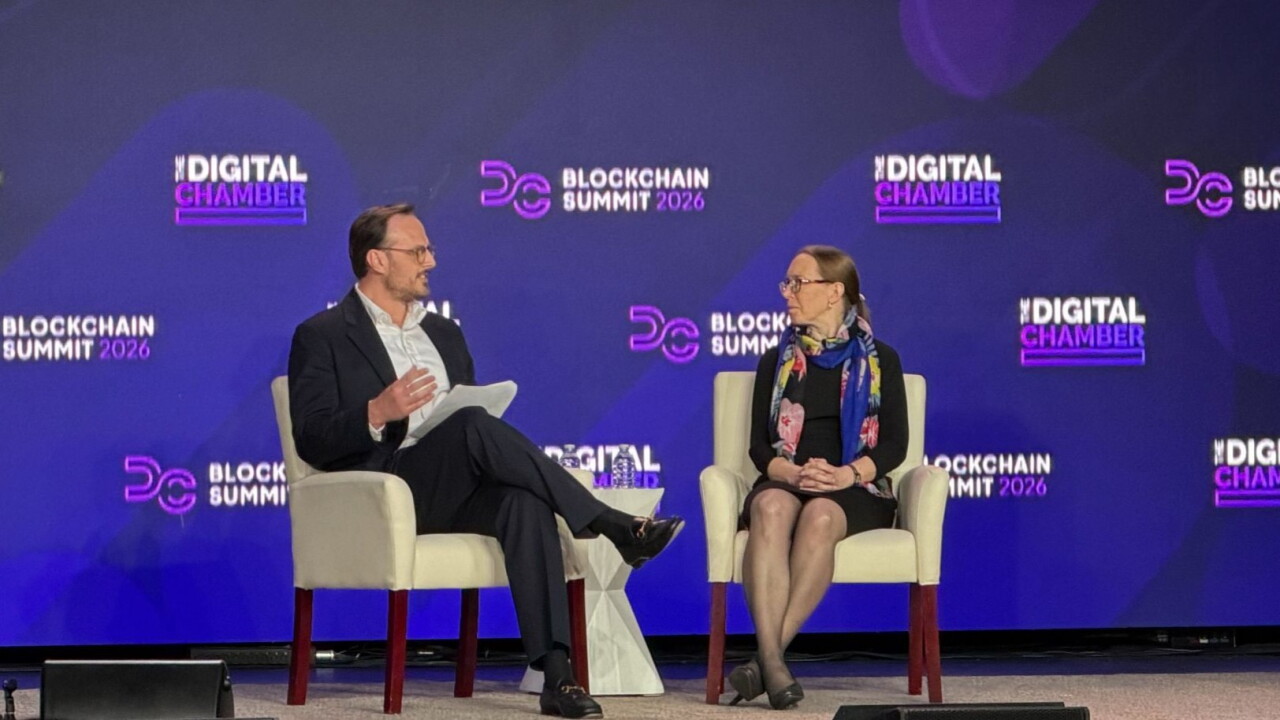
-
The agency will give qualified new-bank applicants a contingent authorization within 120 days of applying, with an additional year after that to organize the bank before final green light.
August 10
-
The federal agency has denied the Dutch neobank's de novo bank charter application, citing "significant supervisory and compliance concerns."
August 7
-
The online lender said its national bank will become the "primary originator," displacing the banks that are lenders of record. Loan buyers keep their role.
August 5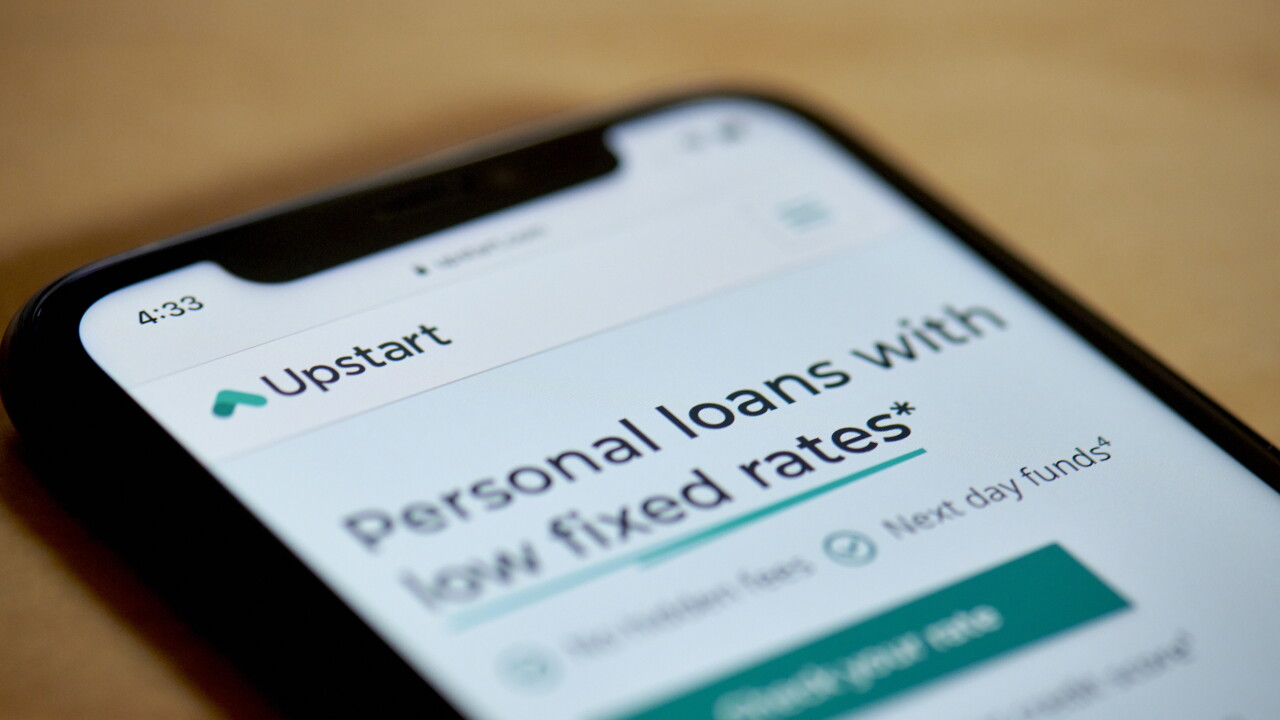
-
The second-largest U.S. bank provided an update to investors about the consent order issued by the OCC in 2024, saying a resolution may include monetary penalties.
 August 3
-
The OCC conditionally approved the lender's de novo application. Upstart Bank's proposed CEO spoke with American Banker about the review process.
July 24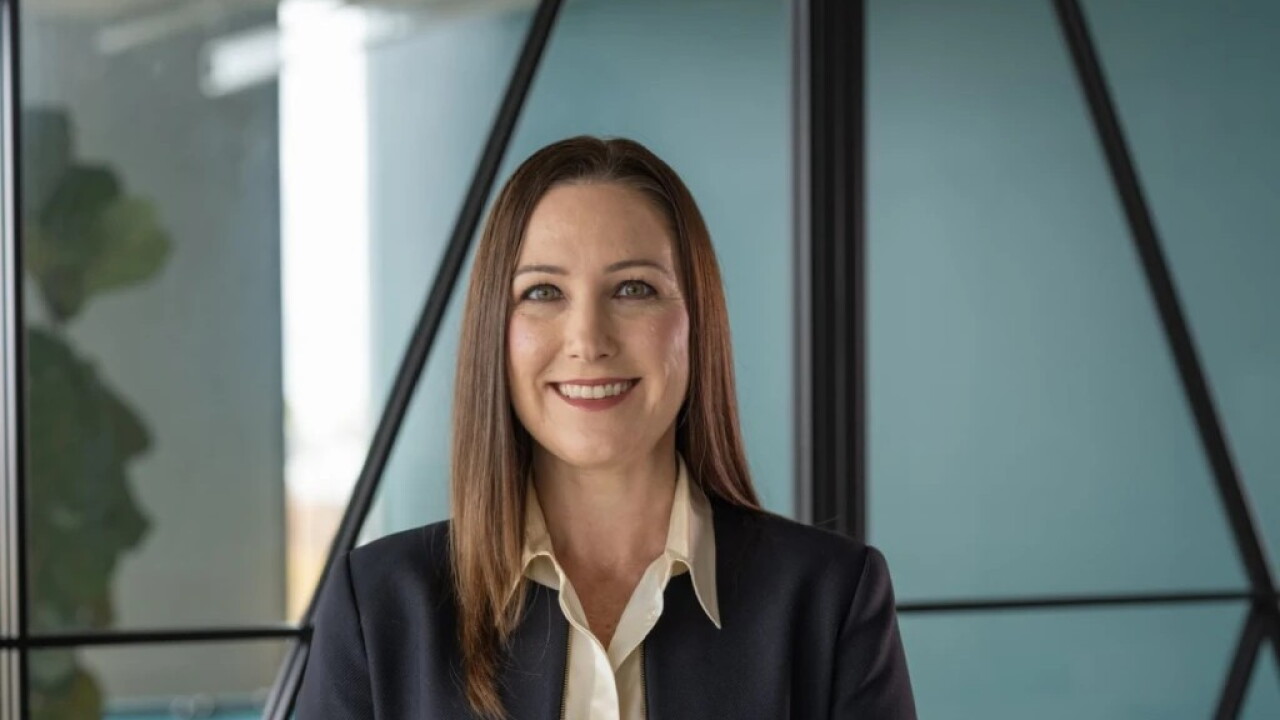
-
The regulator cited anti-money-laundering deficiencies in its decision, signaling the government is keeping a close eye on the issue even in a broader deregulatory environment. That means fintechs will be recruiting compliance experts from banks.
 July 24
-
Banks must tell regulators of a serious breach within 36 hours under a codified rule. Regulators say they will tell banks 72 hours of their own data breaches, in a memo nobody can enforce.
July 17


