-
The Federal Reserve Board unveiled a host of proposed changes to tailor U.S. supervision of foreign firms, as well as a proposal easing “living will” requirements for both domestic and overseas banks.
April 8
-
Randal Quarles, a senior Fed official and chair of the Financial Stability Board, sparked debate with a speech about the risks and rewards of companies like Amazon, Facebook and Apple entering the financial system.
 April 2
-
The Federal Reserve voted Wednesday to keep the countercyclical capital buffer at its current level of zero, ending some speculation that the board could be looking at a possible increase.
March 6
-
The Federal Reserve’s top regulator, who assumed the chairmanship of the international board in November, said the FSB should explain the rationale behind its financial benchmarks while establishing new ones to combat emerging threats.
 February 11
-
The Fed vice chair says regulators need to be on the “cutting edge” at spotting vulnerabilities; firm looks to win over future millionaires.
February 11
-
The central bank has drawn mixed reviews for new stress test scenarios and changes to how much banks know about the test beforehand. Its top regulatory official says the enhancements help the post-crisis regime evolve.
February 7
-
The exemption was included in a suite of other changes unveiled to provide greater transparency to the Fed's stress testing regime.
February 5
-
If Cain is chosen for the Federal Reserve Board, it would be starkly out of step with the administration’s other nominations and may reveal a drastic change in the president’s attitude toward the central bank.
February 1 American Banker
 -
The top Democrat on the Senate Banking Committee is warning that excessive optimism in the banking system could lead to another crisis.
 January 31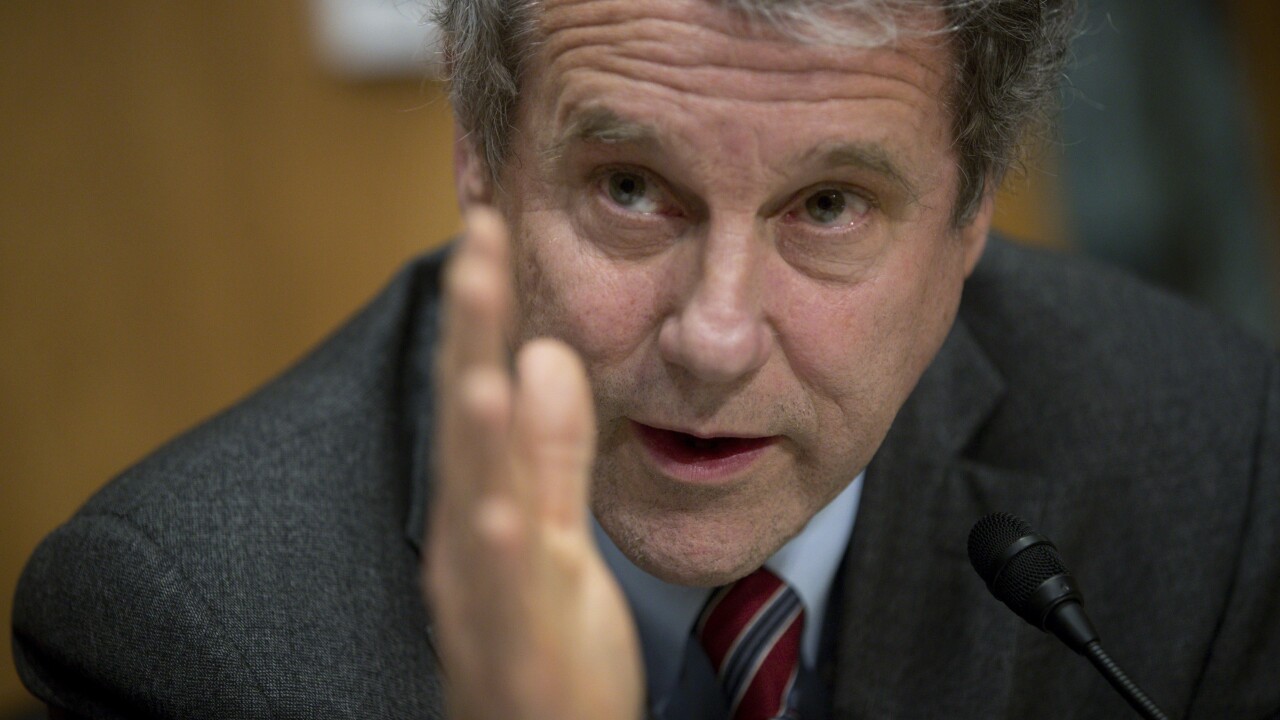
-
The Dodd-Frank Act gave the central bank authority to set capital requirements for insurance companies that own a federally insured bank, as well as those determined to be systemically important.
January 9 -
The plan would implement a congressional mandate that only the biggest banks must conduct internal stress tests.
January 8
-
The Office of the Comptroller of the Currency has gotten the ball rolling for financial technology firms trying to operate a national platform, but the FDIC and Federal Reserve should act to remove other policy roadblocks.
December 20
-
Federal Reserve Chairman Jerome Powell demurs on regulatory relief for largest banks while saying he is “open” to countercyclical buffer.
December 19
-
The Office of the Comptroller of the Currency has gotten the ball rolling for financial technology firms trying to operate a national platform, but the FDIC and Federal Reserve should act to remove other policy roadblocks.
December 17 -
One Federal Reserve governor’s push to use an untapped capital buffer to counteract potential losses is stoking concerns that such a maneuver could spook financial markets.
December 13
-
The two agencies seek to end the acrimony with the companies they regulate; the government is trying to make it easier for the wounded Deutsche Bank to merge with rival Commerzbank.
December 13 -
Having the Federal Reserve Board’s bank supervision chief at the helm the Financial Stability Board cements U.S. leadership on cross-border regulation.
December 4 -
The Fed wants more information on Treasury and mortgage-backed securities; will overlook compliance failures resulting from pilot programs.
December 4 -
Atlanta Fed chief says consumers don't know the risks of using nonbank payments providers, like Apple Pay; equity derivatives desks will reap rewards of volatility.
November 28
-
Miners of the digital currency are losing interest, which could lead to more price declines; scandal-scarred banks among those that endorse Principles for Responsible Banking.
November 27


