-
The regulator cited anti-money-laundering deficiencies in its decision, signaling the government is keeping a close eye on the issue even in a broader deregulatory environment. That means fintechs will be recruiting compliance experts from banks.
 July 24
-
The New York AG is alleging banks aren't doing enough to combat fraud on Zelle, but online fraud might be too big for even the nation's biggest banks to fight.
 July 24
-
Kalshi's Head of Enforcement Robert DeNault and former CFPB acting Director Mick Mulvaney shared opposing views on the controversial sites at a CFR event.
 July 24
-
Staffers from the Federal Reserve Board and reserve banks took 'several months' to update bank supervisory marks after issues were resolved, a recent inspector general report found.
 July 23
-
The North Carolina-based bank plans to make additional monthly payments of $500 million-$1 billion to the Federal Deposit Insurance Corp., in order to reduce $35 billion of debt tied to its acquisition of the failed Silicon Valley Bank.
 July 23
-
The Federal Reserve is rethinking the size and scope of its holdings. Academics and industry analysts alike say liquidity reforms will be key to the process.
July 22
-
The central bank's long-held independence from government interference is under siege and its role as a regulator may be a wedge the president uses against it.
July 21
-
Two former mid-level employees at the Toronto-based bank received U.S. prison sentences for their roles in funneling nearly half a billion dollars through TD accounts.
 July 20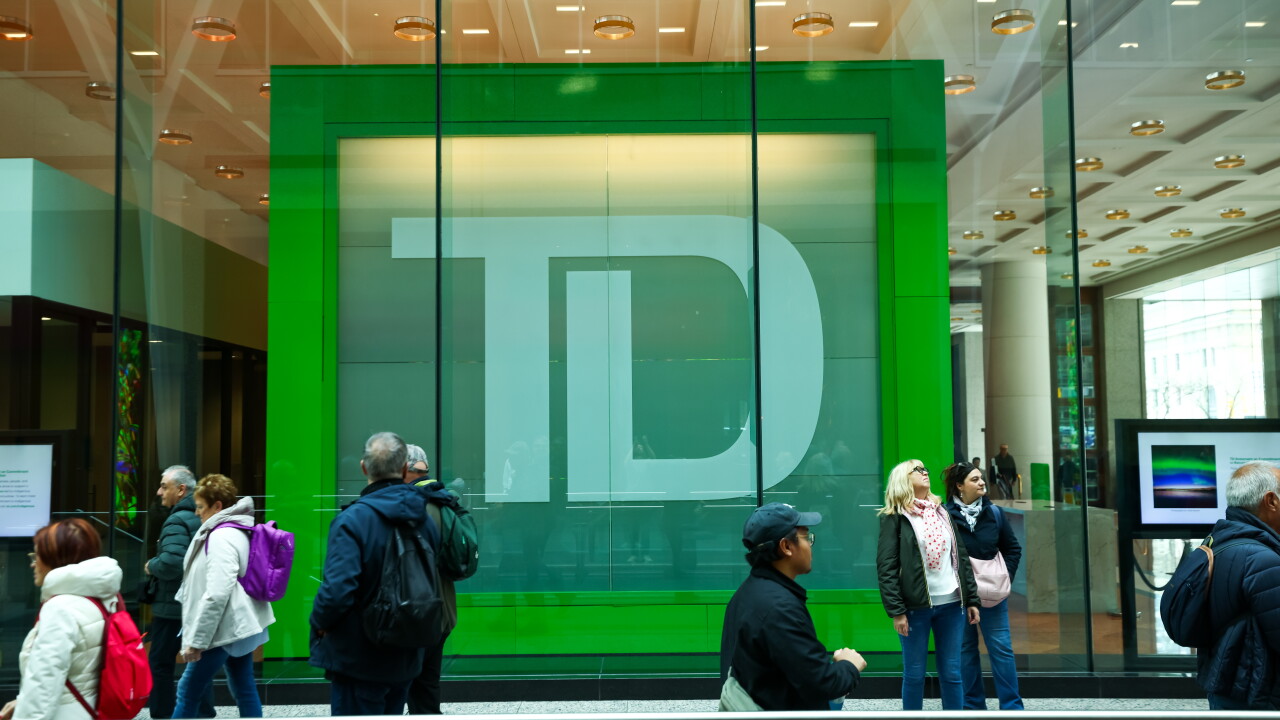
-
At a House hearing last week, GOP lawmakers asked Russell Vought, the acting director of the Consumer Financial Protection Bureau, for advice on how to craft legislation to permanently change the CFPB's authority. The hearing highlighted a consensus among Republicans that administrative policy rollbacks are not enough.
 July 20
-
The Supreme Court may have allowed the central bank to chart its own course on bank oversight for now, but discrepancies between two recent rulings set the stage for challenges.
July 20