
Banking Politics & Policy News
American Banker's Politics & Policy coverage delivers news and analysis on how legislative action, federal agency rulemaking, regulatory politics, and public policy debates shape banking strategy, risk, competition, and compliance. Coverage explores congressional priorities, executive branch initiatives, regulatory agency actions, and the political forces that shape and impact the operating environment for financial institutions, payments companies, fintechs and distributed finance companies.
Bank leaders must navigate a dynamic policy environment where congressional action, regulatory priorities, and political forces influence capital standards, supervisory expectations, digital asset frameworks, deposit insurance, consumer rules, and competitive dynamics.
-
Federal Reserve Vice Chair for Supervision Michael Barr conceded major points to the industry on last year's capital reform proposal. But how regulators will approach other reforms in light of that experience is uncertain.
 September 16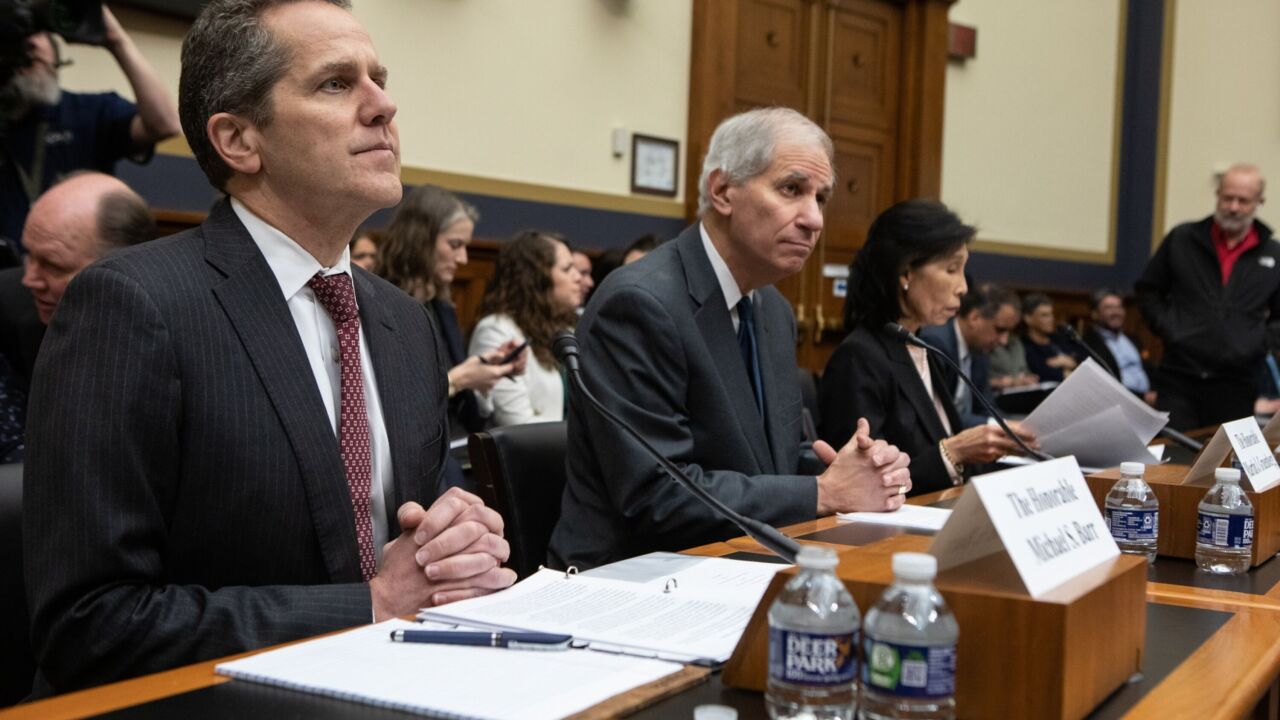
-
Banks now have until Oct. 30 to weigh in on potential risks of third-party fintech partnerships for banking products and services.
 September 13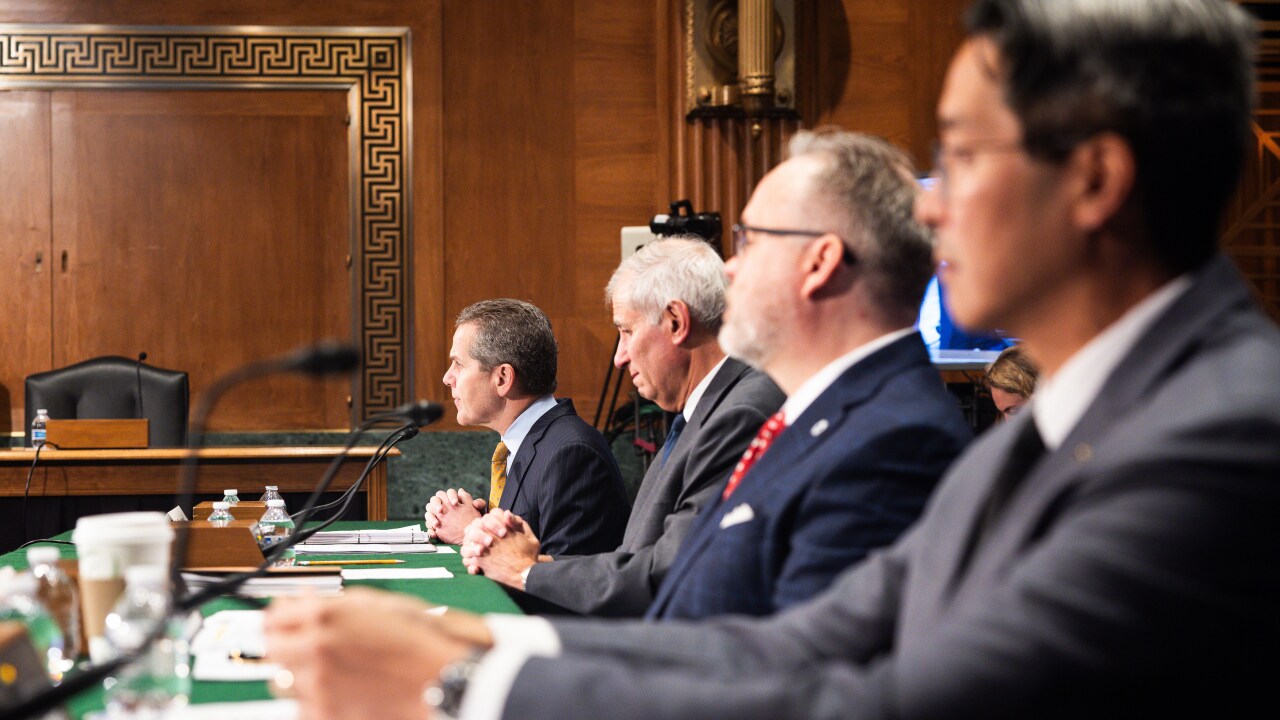
-
The Treasury Department's chief AI officer said artificial intelligence can relieve the burden of mind-numbing activities such as anomaly detection and can spur employees to think more creatively.
 September 12
-
The Federal Reserve's inspector general says the reserve bank CEO did not trade on confidential information or have conflicts of interest, but did violate central bank rules and policies.
September 11
-
Vice President Kamala Harris sought to outline proposals on housing and a child tax credit, while former President Donald Trump highlighted an aggressive tariff plan.
 September 10
-
A bill from Rep. Andy Barr, chairman of the House Financial Services Subcommittee on Financial Institutions and Monetary Policy, would make it harder for regulators to enter into international regulatory agreements like Basel III.
September 10
-
Federal Reserve Vice Chair for Supervision Michael Barr outlined the changes he and other regulators would like to see to the capital reform plan, including largely excluding banks with less than $250 billion of assets.
September 10


-

As stablecoins and other cryptocurrencies enter the mainstream, lawmakers in Illinois have imposed a new transaction tax on digital assets. It will raise costs for everyday consumers and drive away businesses.

-

Yes, banks' capital burden will decline, leaving more potential funds available for lending. But the big question is which banks will find a way to deploy those funds to generate meaningful returns.

-

Restrictions that limit access to private market investments are harmful to ordinary investors, who are denied better returns. They also seal off a large potential source of funding for long-term infrastructure investments.


