
Banking Politics & Policy News
American Banker's Politics & Policy coverage delivers news and analysis on how legislative action, federal agency rulemaking, regulatory politics, and public policy debates shape banking strategy, risk, competition, and compliance. Coverage explores congressional priorities, executive branch initiatives, regulatory agency actions, and the political forces that shape and impact the operating environment for financial institutions, payments companies, fintechs and distributed finance companies.
Bank leaders must navigate a dynamic policy environment where congressional action, regulatory priorities, and political forces influence capital standards, supervisory expectations, digital asset frameworks, deposit insurance, consumer rules, and competitive dynamics.
-
Fifty congressional Democrats urged regulators to propose "strong" climate disclosure regulations in finalized rules that are expected to be released in the coming weeks.
 March 6
-
Executives have ramped up initiatives for educating members, staffers and directors on how to gain support from legislators.
 March 6
-
Federal Deposit Insurance Corp. Chairman Martin Gruenberg said that the rise of hybrid and remote work, alongside rising interest rates, could be creating lingering risk in the maturity of some bank loans.
 March 6
-
In a letter to Federal Reserve Chair Jerome Powell, Republican members of the Senate Banking Committee urge the central bank to be mindful of tailoring rules in its ongoing "holistic" capital review.
 March 3
-
In brief remarks about the Federal Reserve's handling of COVID-19 crises, the governor said the central bank's asset-buying program is taking longer to unwind than its emergency lending facilities.
March 3
-
The measure prohibits government contracts with companies deemed to be "boycotting" the fossil fuel, firearm, timber, mining, and agriculture industries.
 March 3
-
A New York Fed study finds that the Community Reinvestment Act does nothing to extend credit to lower-income areas, but it's unclear whether regulators' current reform effort could change that.
March 3


-
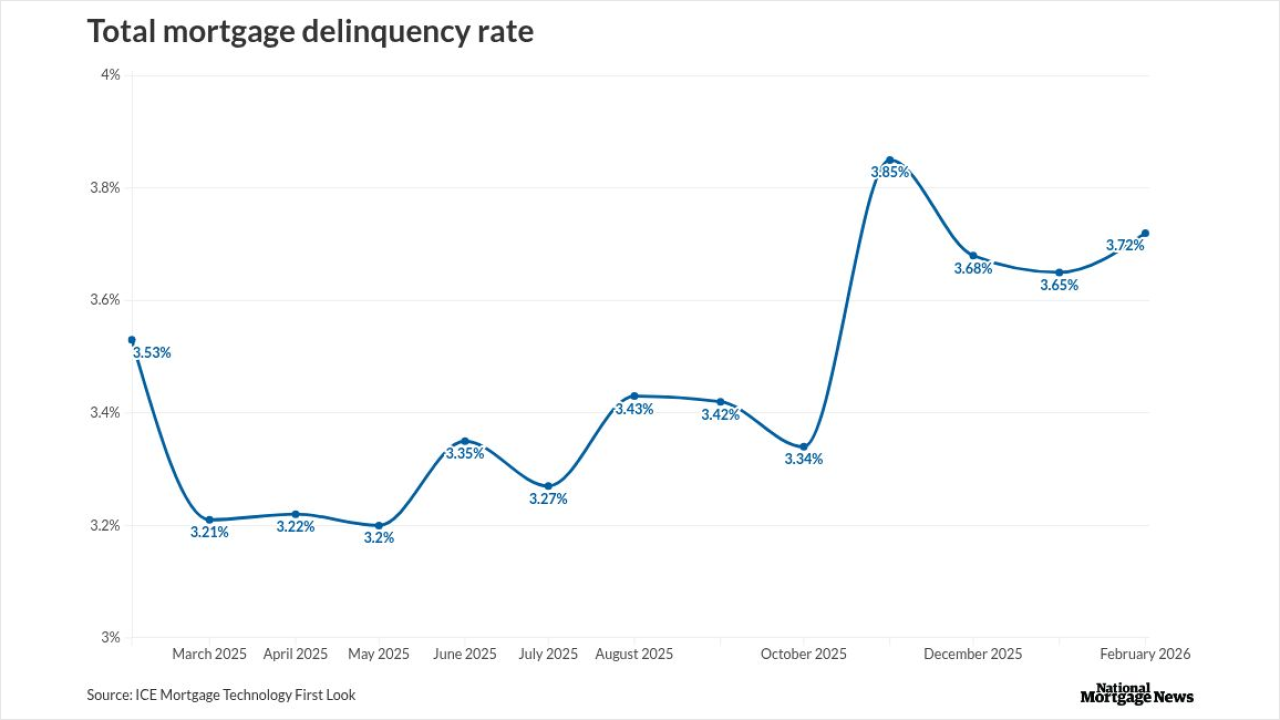
As written, new capital standards for U.S. banks fail to account for the additional risk posed by many home loan clients who obtain second mortgages. Fixing the problem will significantly reduce the rule's benefit to banks.

-
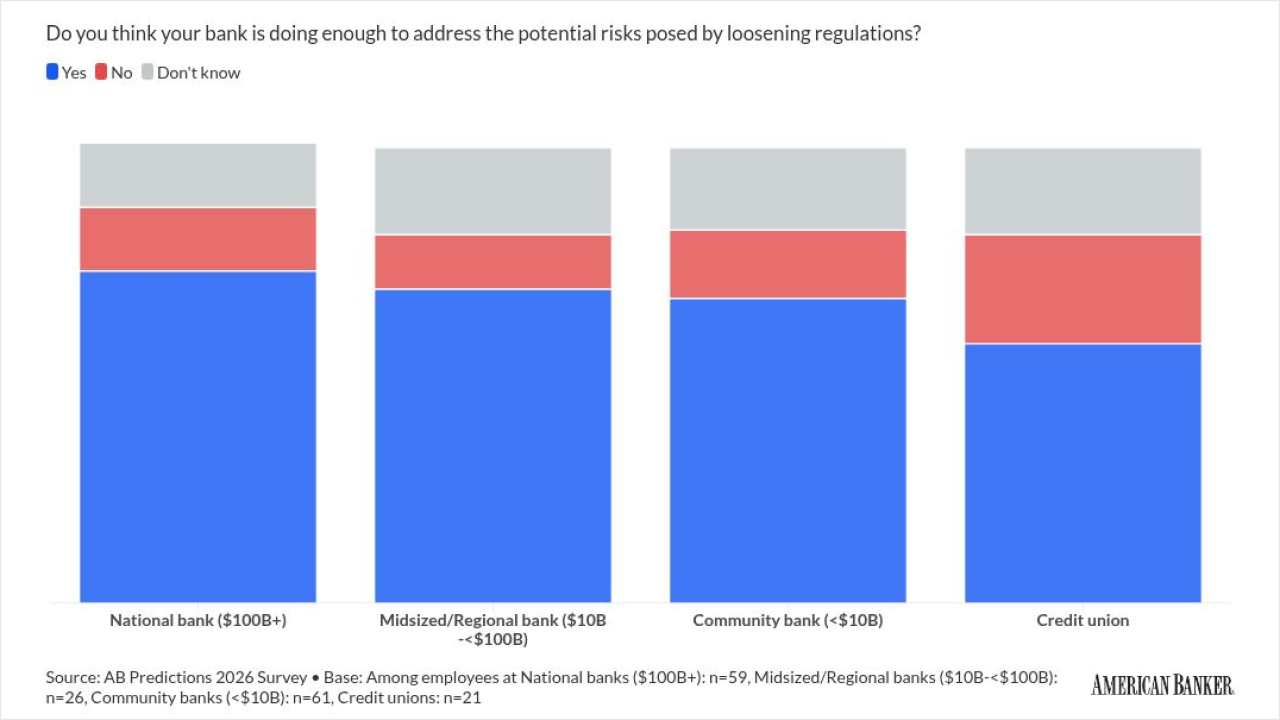
The only thing we know about the next financial crisis is that it won't look like the last one. But specific changes to bank safety and soundness requirements and clearer regulatory authorities would help us respond.

-

In the year of the country's 250th anniversary celebrations, it's worth looking back at the long road the U.S. dollar took to global dominance, and the lessons we can learn from it.


