
Banking Politics & Policy News
American Banker's Politics & Policy coverage delivers news and analysis on how legislative action, federal agency rulemaking, regulatory politics, and public policy debates shape banking strategy, risk, competition, and compliance. Coverage explores congressional priorities, executive branch initiatives, regulatory agency actions, and the political forces that shape and impact the operating environment for financial institutions, payments companies, fintechs and distributed finance companies.
Bank leaders must navigate a dynamic policy environment where congressional action, regulatory priorities, and political forces influence capital standards, supervisory expectations, digital asset frameworks, deposit insurance, consumer rules, and competitive dynamics.
-
In remarks delivered at an agribusiness conference in Arkansas, the Federal Reserve Board member signaled that high financing costs are not going away anytime soon.
 February 8
-
Markets are beginning to price in a higher federal funds rate target as Federal Reserve officials hint at more restrictive policies to tamp down inflation.
 February 8
-
The president urged Congress to pass a law that would reduce credit card late fees to $8.
 February 8
-
The Federal Reserve's top regulator says discriminatory practices of the past still have an impact today and calls on banks and their supervisors to be more vigilant.
February 7
-
Bank of England and the U.K. Treasury stepped up work on creating a digital currency to sit alongside physical banknotes and sought to allay concerns that the work could threaten the stability of banks.
February 7
-
One of Germany's greenest banks has quit the world's biggest climate-finance alliance in protest, citing concerns that Wall Street is preventing the group from achieving its stated goal.
February 6
-
Republicans have increasingly negative views of banks, while the banking industry is finding modest, but growing common ground with Democratic lawmakers.
 February 3


-
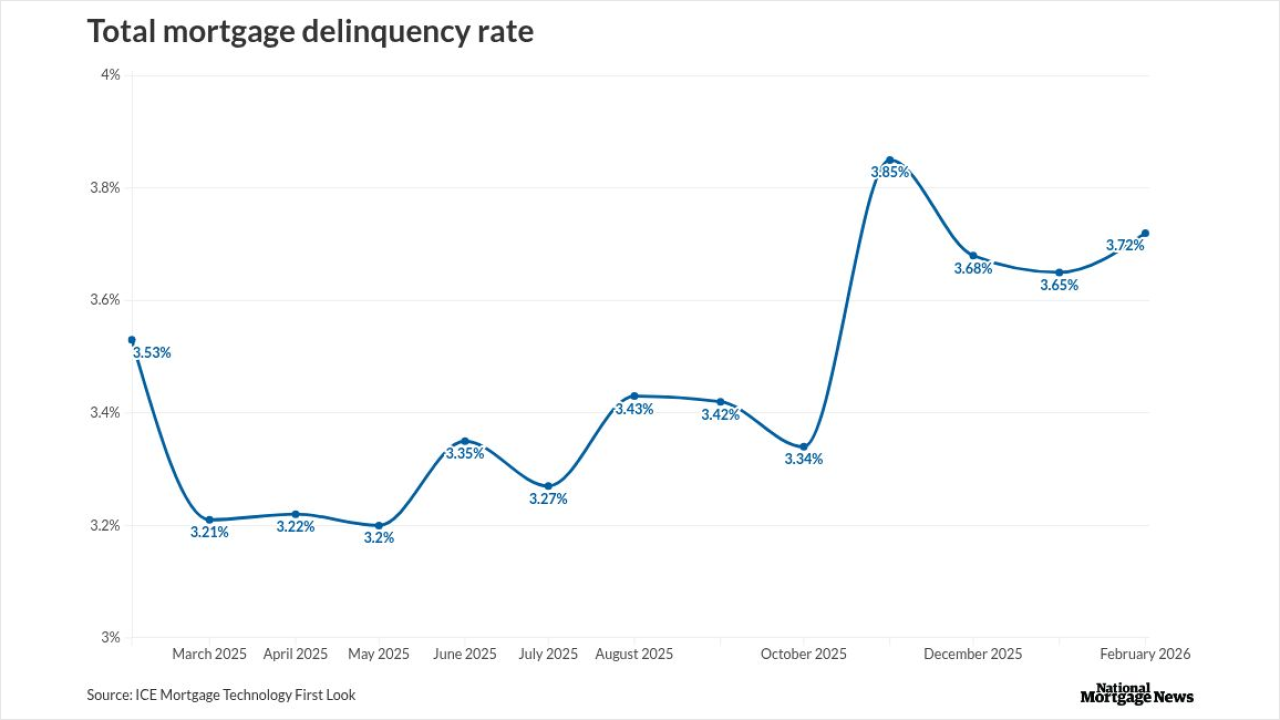
As written, new capital standards for U.S. banks fail to account for the additional risk posed by many home loan clients who obtain second mortgages. Fixing the problem will significantly reduce the rule's benefit to banks.

-
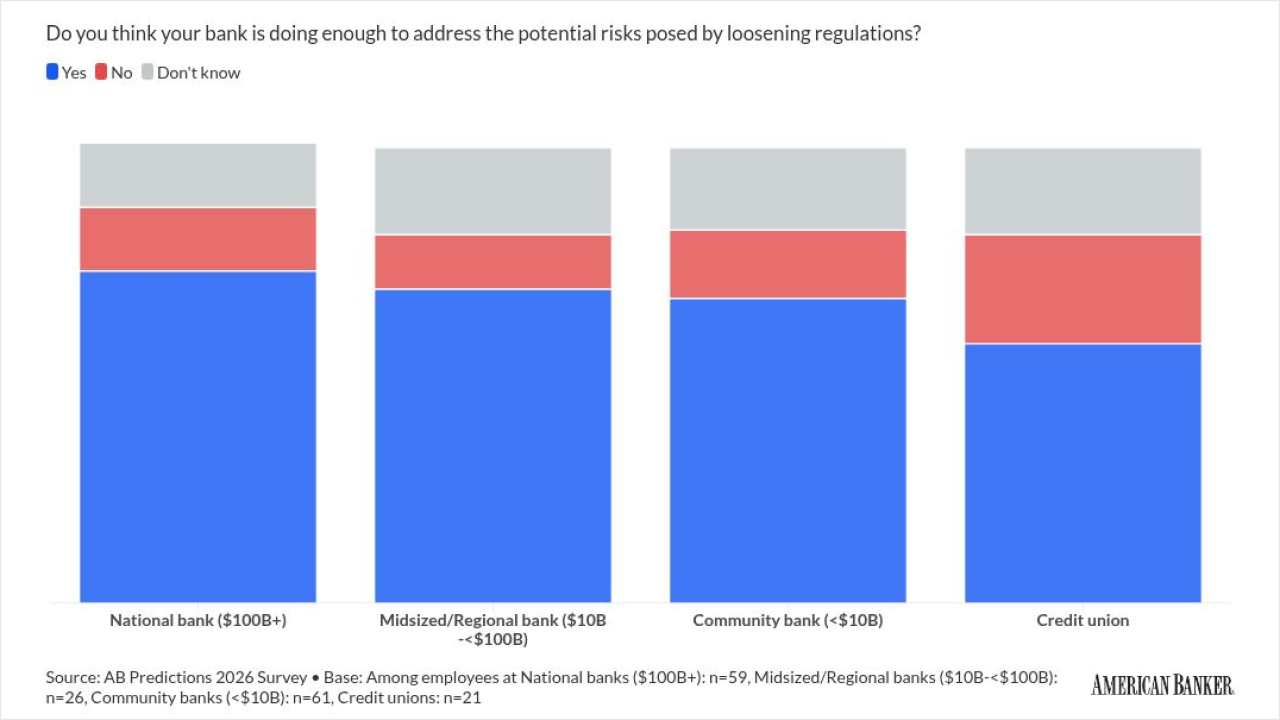
The only thing we know about the next financial crisis is that it won't look like the last one. But specific changes to bank safety and soundness requirements and clearer regulatory authorities would help us respond.

-

In the year of the country's 250th anniversary celebrations, it's worth looking back at the long road the U.S. dollar took to global dominance, and the lessons we can learn from it.


