
Banking Politics & Policy News
American Banker's Politics & Policy coverage delivers news and analysis on how legislative action, federal agency rulemaking, regulatory politics, and public policy debates shape banking strategy, risk, competition, and compliance. Coverage explores congressional priorities, executive branch initiatives, regulatory agency actions, and the political forces that shape and impact the operating environment for financial institutions, payments companies, fintechs and distributed finance companies.
Bank leaders must navigate a dynamic policy environment where congressional action, regulatory priorities, and political forces influence capital standards, supervisory expectations, digital asset frameworks, deposit insurance, consumer rules, and competitive dynamics.
-
The Federal Reserve, FDIC, OCC and CFPB — increasingly under the leadership of Democratic appointees — are gearing up to regulate cryptocurrency, modernize the Community Reinvestment Act and give consumers more control of their personal data. Here's a look at the policy changes they're mulling.
January 27
-
Rohit Chopra, the director of the Consumer Financial Protection Bureau, described many charges by banks, credit unions and fintechs as "junk fees" and said they often exceed the cost of providing the service. Several trade groups called Chopra's claims "distorted and misleading."
 January 26
-
The Texas attorney general’s office is seeking more information on Citigroup’s gun policies as the bank stages a comeback in the state’s municipal-bond market after a GOP law upended its public-finance business there last year.
January 26
-
Pat Toomey, the top Republican on the Senate Banking panel, questioned the backgrounds of President Biden’s Federal Reserve picks amid a brewing conflict over diversity at the central bank and its role in dealing with climate change.
January 25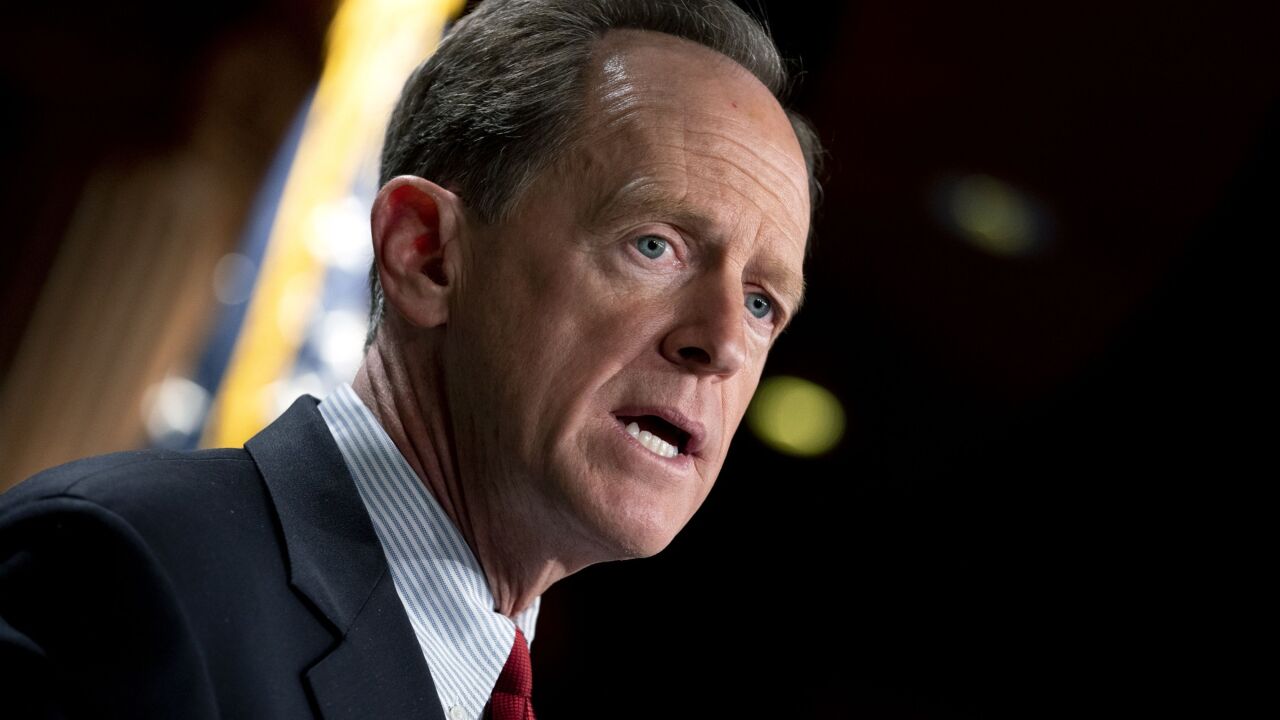
- AB - Policy & Regulation
The Consumer Financial Protection Bureau is in the early stages of developing a rule that could give bank customers far more say in how their information is being accessed by fintechs and data aggregators. What the final rule looks like will depend on how much consumers already know about the way their data is collected, stored and sold.
January 25
-
A proposal by the Financial Crimes Enforcement Network would create a pilot program allowing banks to do something they've long wanted: share suspicious activity reports with their own units in other countries. But many banks may take a pass if the agency doesn't ease the compliance requirements, experts say.
 January 24
-
A long-awaited report from the Federal Reserve is a historic step toward the possible development of a central bank digital currency. But the Fed emphasized it would not create one without a clear directive from Congress and the White House.
January 20


-

Efforts by individual states to rewrite existing rules governing interstate bank lending risk throwing the entire system into chaos. Only Congress has the ability to reestablish a workable set of national rules.

-

The new law's reciprocal and custodial deposit provisions recognize what the evidence has shown for two decades. They should spur, not substitute for, the broader work of protecting America's depositors.

-
As written, new capital standards for U.S. banks fail to account for the additional risk posed by many home loan clients who obtain second mortgages. Fixing the problem will significantly reduce the rule's benefit to banks.


