-
The federal banking regulator issued conditional approvals for national trust bank charters for Bastion Platforms, Agora and Catena Labs on the same day.
 1h ago
-
Exclusive Research: Banks are moving too slowly to meet demand for cheaper, faster payments
 September 18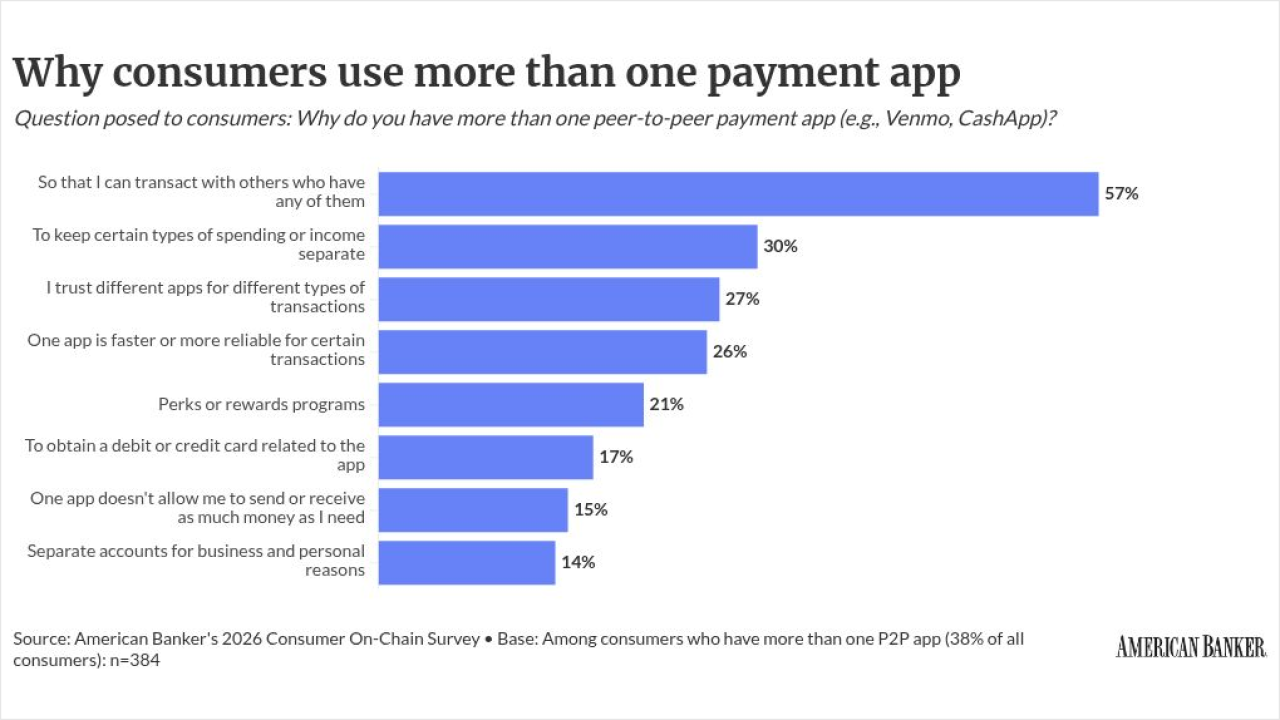
-
The South Korean automaker's credit card subsidiary completed two proof-of-concept transactions that used stablecoins to move funds between subsidiaries in the U.S. and Mexico without a bank. Next, Hyundai Motor will test if the technology can be used as the backbone of its global treasury infrastructure.
 September 17
-
The failure of a much-anticipated crypto market structure bill Tuesday likely has doomed the effort to pass the bill in this Congress. The next version of the bill could be a double-edged sword for banks.
 September 16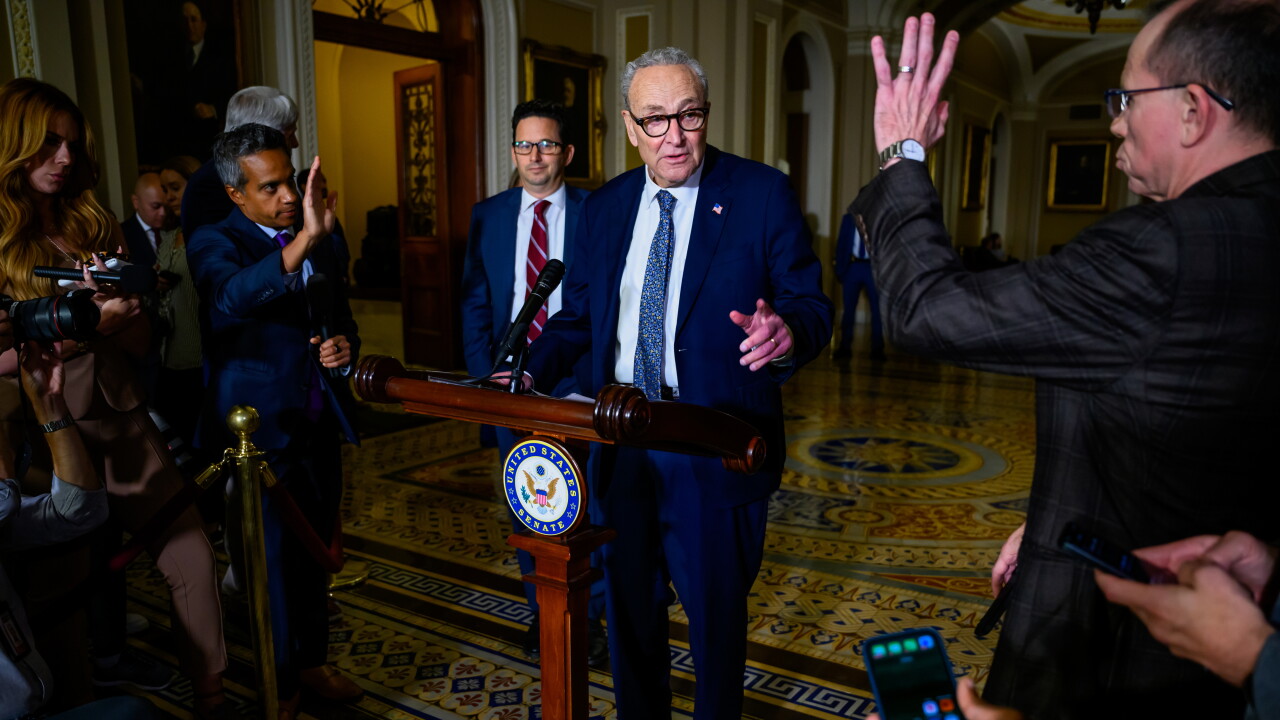
-
The stablecoin issuer is the latest digital asset company to release its blockchain network to the public for financial institutions to use.
September 16
-
Republicans released a new version of the crypto bill ahead of a scheduled vote. But even with the changes, Democrats have little incentive to offer support.
September 14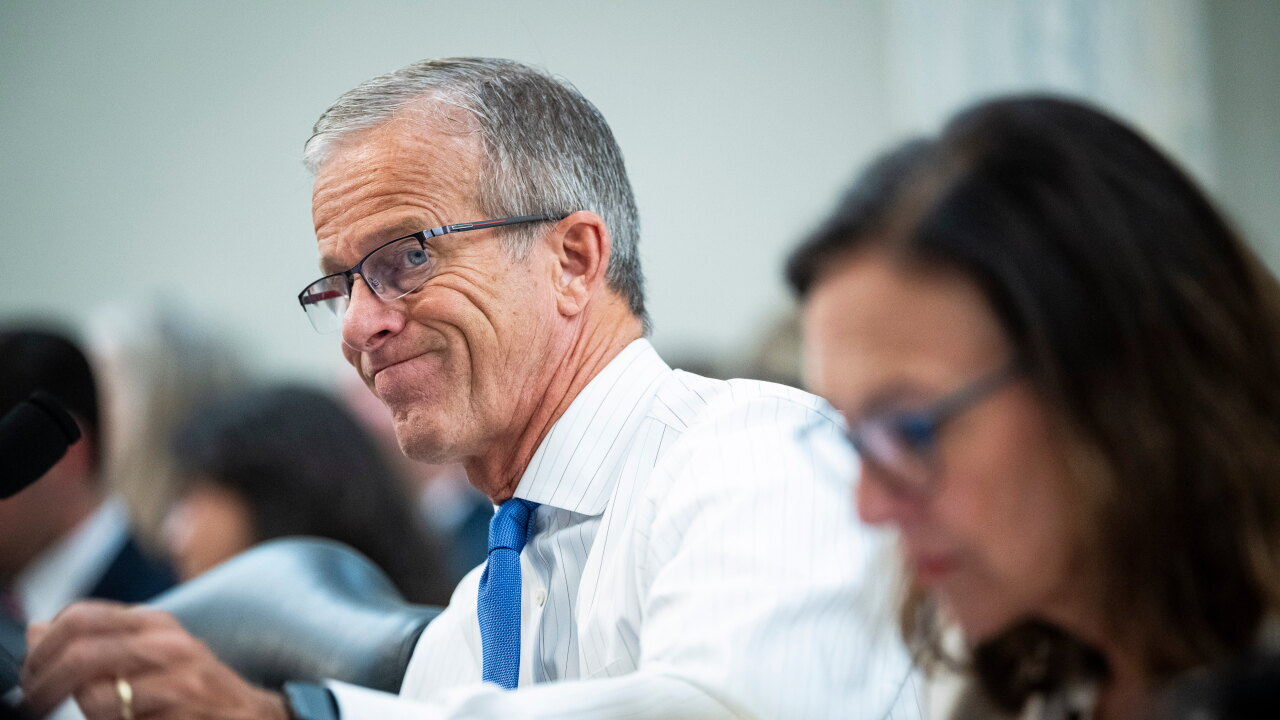
-
Parties trying to restrict stablecoin rewards have been relying on a trio of false claims that, despite public debunking, continue to be spread. At some point, the repetition of fake talking points begins to look purposeful.
September 14
-
The digital asset and card-issuing firms are supplying the guts to enable transactions for cards and digital wallets, betting that Mastercard's ties to both firms will be attractive to banks, consumers and merchants.
 September 11
-
The institution tested USBDC in an international payment ahead of a wider rollout and amid its work on the cross-industry Open Standard stablecoin project.
September 10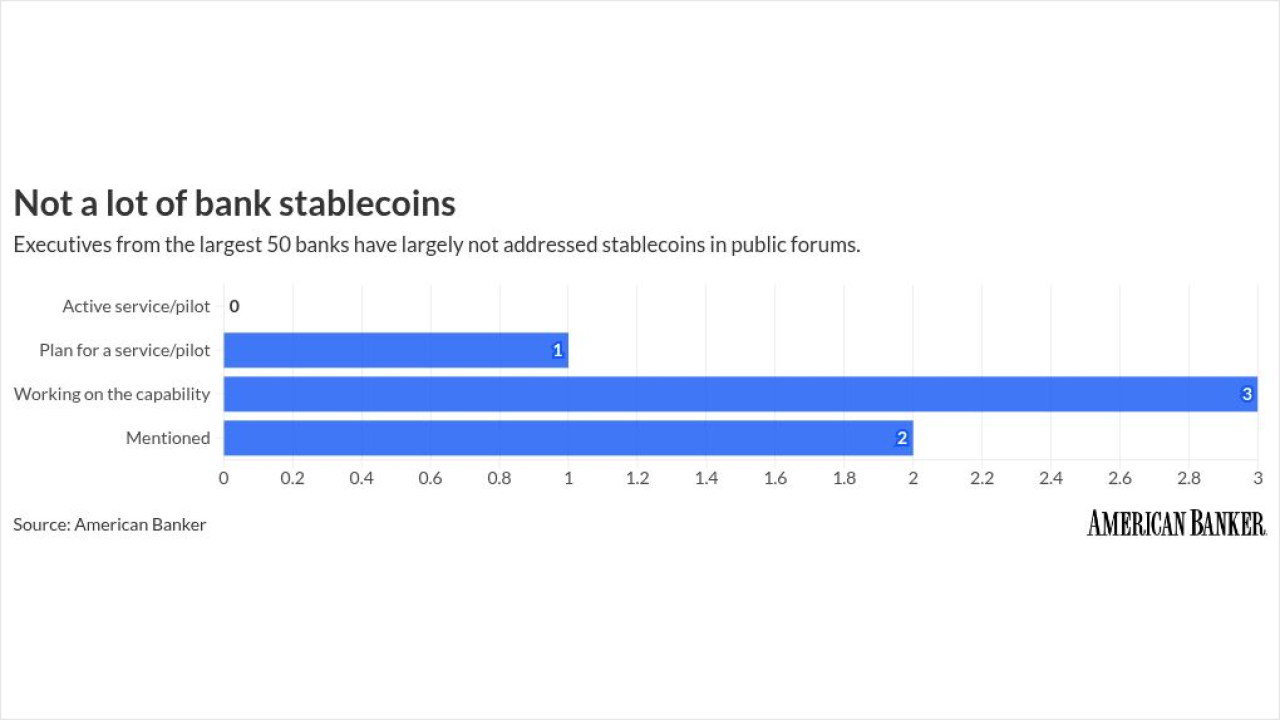
-
The payments fintech announced that it has applied for a national trust bank charter from the OCC for both bitcoin and stablecoin custody.
September 9
-
The section of the bill addressing stablecoin rewards is the product of a hard-won bipartisan compromise. Efforts to reword it would not only create confusion, but would seriously endanger its passage.
September 9
-
OpenReserve, a proposed digital bank built by former MoneyLion executives, is the next bank seeking to bring digital asset technology to institutional banking.
September 9
-
Tazapay's last-mile infrastructure will help Circle expand its own infrastructure and USDC distribution in the Asia-Pacific region and emerging markets, where demand for USDC-denominated transactions is growing.
September 8
-
A consortium of international FIs are planning to issue a U.S. stablecoin in early 2027; London-based OpenPayd has entered the U.S. through its acquisition of MSB USA; the U.K. fined Citi £4.7 million ($6.3 million) for hundreds of transactions in breach of sanctions against Russia; and more in this week's banking news roundup.
 September 4
-
The claim that community bankers are somehow being manipulated into supporting changes to the CLARITY Act that would benefit big banks is wrong. The threat to deposits from stablecoin yield is real and dangerous.
September 2
-
-
As institutions look to ease exposure, digital assets are the largest area of concern, according to American Banker Market Intelligence research
August 31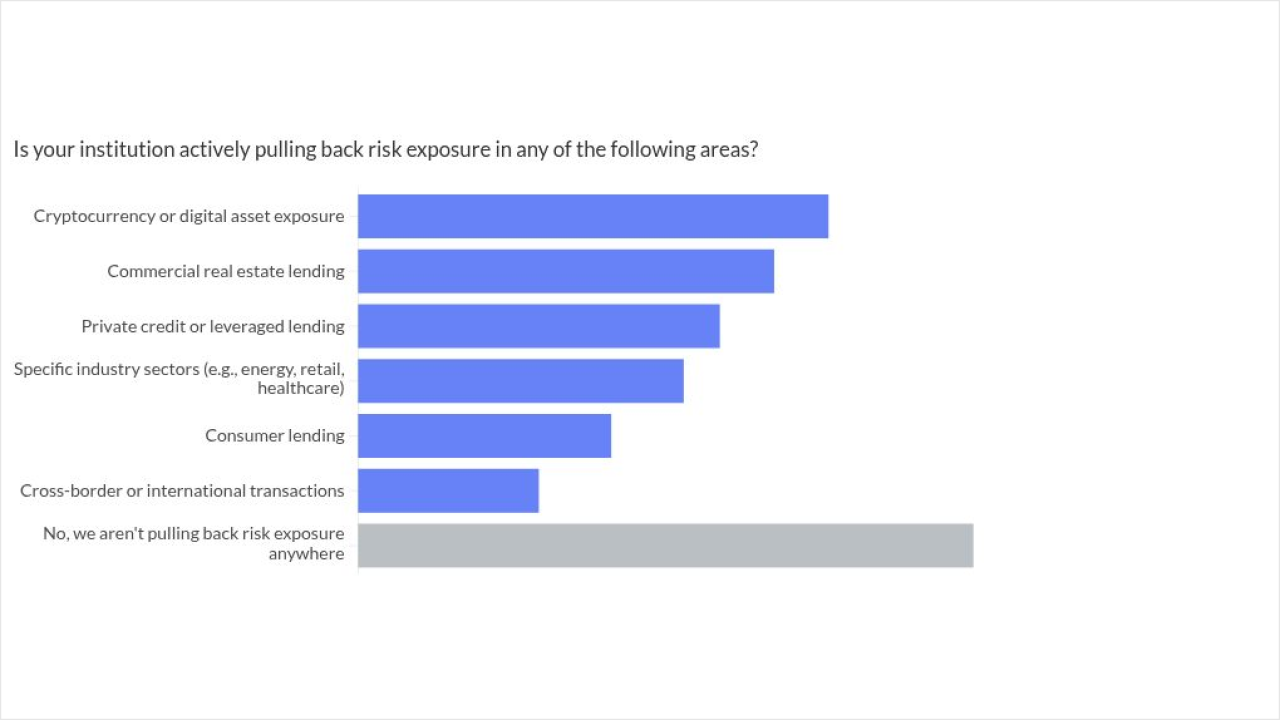
-
Community banks stand to gain from the proliferation of stablecoins. Organized programs meant to convince community bankers that stablecoins will drain their deposits are disingenuous.
August 25
-
Consumers are confused about FDIC coverage for fintechs, placing the same amount of trust into nonbank payment companies that do not provide the same deposit protection.
August 24
-
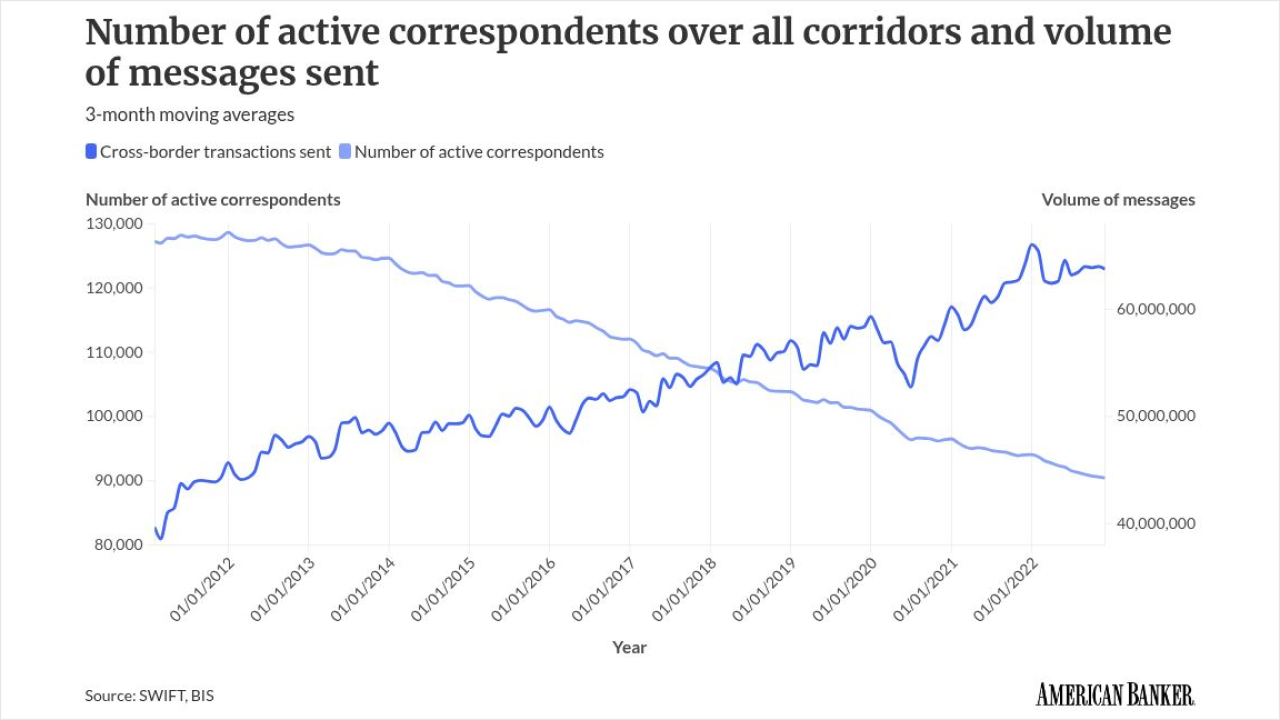
Correspondent banking has been around since the 14th century, when Italian merchant-banking houses used a network of partner banks and agents to settle trade debts without physically shipping coins, and has since become vital infrastructure to facilitate global payments. Today, digital assets are challenging some of the economics that have supported correspondent banking.
August 21