
Stablecoins
How are banks approaching dollar-backed digital assets (stablecoins)?
Stablecoins have moved from the edge of the
Banks are testing stablecoins for cross-border payments, liquidity management, and digital wallets. Some are also exploring how stablecoins can support interbank transactions or be issued directly by regulated institutions. As the landscape takes shape, stablecoins are starting to look less like an experiment and more like infrastructure.
-
It will be a bitter pill for some in the crypto world, but strong regulation of stablecoins is necessary to maintain the dollar's status as the world's reserve currency.
August 8 Anchorage Digital
 -
Revolut Ltd. plans to increase its crypto headcount by 20% across Europe, the U.K. and U.S. over the next six months, a bright spot in the current digital-assets industry downturn and a rare sign of growth against the backdrop of a wider slowdown in hiring by tech firms.
August 4
-
A draft letter obtained by American Banker would ask acting Comptroller Michael Hsu to rescind several interpretive letters issued during and following the Trump administration that gave banks cover to pursue certain crypto activities.
 August 4
-
The president of the Federal Reserve Bank of Minneapolis doubled down on his call for stiffer capital requirements and said master account access decisions should stay with the regional Fed banks.
 August 4
-
A push in Washington to transform the U.S. derivatives regulator into a top crypto watchdog is gaining steam with a Senate bill that would give the Commodity Futures Trading Commission sweeping new powers to oversee the asset class.
August 3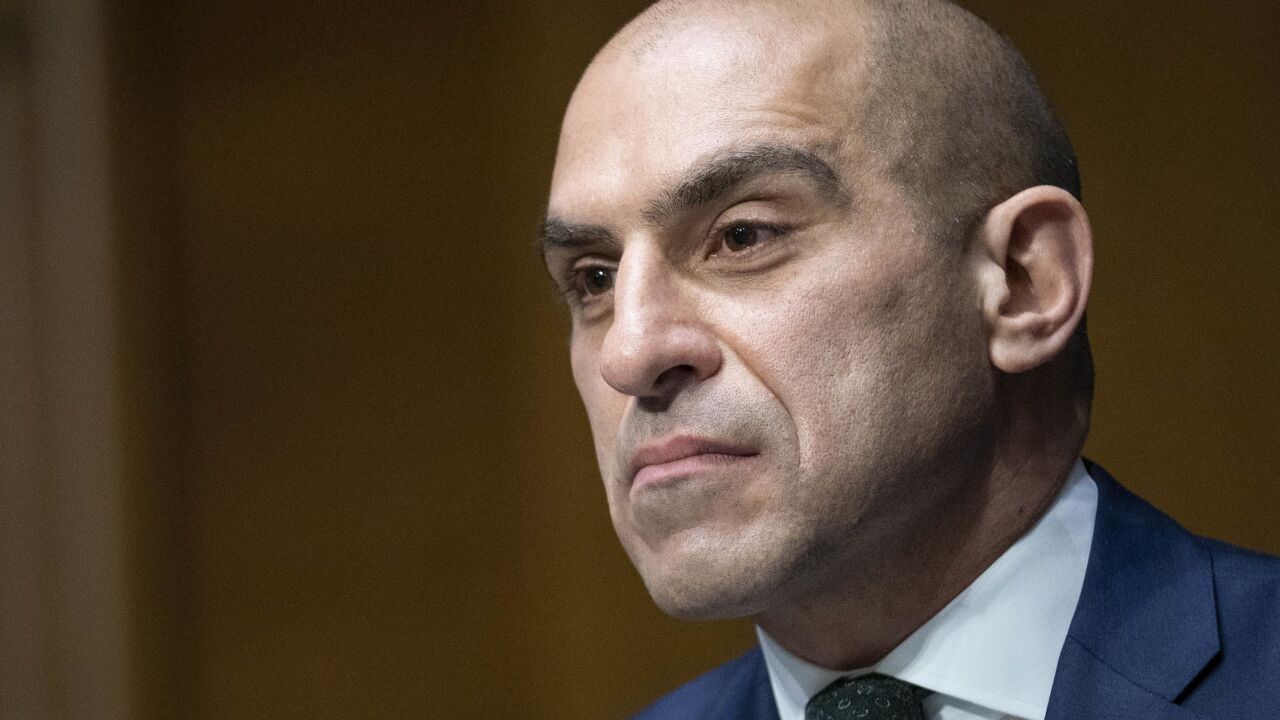
-
Robinhood Markets' cryptocurrency arm was fined $30 million by New York's financial regulator after the brokerage was accused of violating anti-money-laundering and cybersecurity rules.
August 2
-
Rumors of a bipartisan bill to set common standards for stablecoins have been circulating for more than a week, but any legislation will now have to wait until after the August recess.
July 25
-
The Onyx Digital Assets unit is the largest blockchain and digital asset team at a U.S. bank, and a window into what other large banks are likely to do in the future.
 July 25
-
While skeptics still outnumber true believers, recent speeches and reports from policymakers show a greater willingness to entertain the idea of a central bank digital currency.
July 21
-
The crypto firm Voyager got in hot water for implying its deposits were federally insured. Policymakers and experts say it isn’t the only one.
 July 20


The first three months of the year coincide with the start of President Donald Trump's second term in office. Investors are likely to be more interested in banks' outlooks amid swings in tariff policy than the first-quarter results.


Frequently Asked Questions:
How are banks approaching dollar-backed digital assets (stablecoins)?
Stablecoins have moved from the edge of the crypto, world to the center of policy and banking conversations. As regulators and banks weigh their role in payments, settlement, and reserves, this page follows the developments — from early pilots to proposed legislation.
Banks are testing stablecoins for cross-border payments, liquidity management, and digital wallets. Some are also exploring how stablecoins can support interbank transactions or be issued directly by regulated institutions. As the landscape takes shape, stablecoins are starting to look less like an experiment and more like infrastructure.
Why are banks paying attention to stablecoins?
Stablecoins are increasingly viewed as a potential upgrade to legacy payments systems. Banks are evaluating them for settlement, remittances, cross-border transactions, and tokenized deposit models.Are banks issuing their own stablecoins?
Some are exploring the option. Institutions like JPMorgan (with JPM Coin) and new entrants like PayPal are piloting bank-issued stablecoins, while others are watching regulatory developments before moving forward.How do stablecoins impact compliance and risk?
Issues include KYC/AML enforcement, cybersecurity, operational risk, and how reserve assets are held and reported. Banks exploring stablecoin activity must weigh both technological benefits and regulatory scrutiny.How are regulators responding to stablecoin innovation?
Congress is debating stablecoin-specific bills focused on reserve backing, issuer licensing, and oversight. The Federal Reserve, OCC, and state regulators are also shaping how bank involvement in stablecoin activity is supervised.How are banks using stablecoin?
Banks are using stablecoins to speed up cross-border payments, manage liquidity across global branches in real time, and test new forms of settlement between institutions. Some are integrating stablecoins into retail-facing digital wallets, while others are exploring interbank networks built on tokenized payments. These efforts are less about crypto speculation and more about making money move faster, with greater transparency and fewer intermediaries.- Real-time cross-border payments
- Internal liquidity management
- Retail-facing digital wallets
- Interbank tokenized payment networks
Top banks investing in stablecoin
List of institutions with greatest investment in stablecoin:- JPMorgan Chase – JPM Coin
- Custodia Bank – Avit Tokens
- Citigroup - Citi Token Services
- Societe Generale - USD CoinVertible
- Bank of America - Name yet to be released
- Fifth Third - Name yet to be released
- U.S. Bancorp - Name yet to be released