
Stablecoins
How are banks approaching dollar-backed digital assets (stablecoins)?
Stablecoins have moved from the edge of the
Banks are testing stablecoins for cross-border payments, liquidity management, and digital wallets. Some are also exploring how stablecoins can support interbank transactions or be issued directly by regulated institutions. As the landscape takes shape, stablecoins are starting to look less like an experiment and more like infrastructure.
-
The Federal Reserve has hired five executives from the stablecoin issuer Circle and at least one employee of Ripple since 2019 as part of its technology-focused recruiting efforts. It plans to do more hiring in the years ahead to aid its work on faster payments and central bank digital currencies.
 April 18
-
Interest in digital assets is on the rise following an executive order from the White House and a recent report from the Fed.
 April 18
-
Celebrities on the investor roster include Ashton Kutcher, Justin Bieber, Steve Aoki and Gwyneth Paltrow.
April 13
-
Mick Mulvaney, who worked as acting White House chief of staff for former President Donald Trump, has joined the crypto compliance firm Astra Protocol as a strategic advisor.
April 13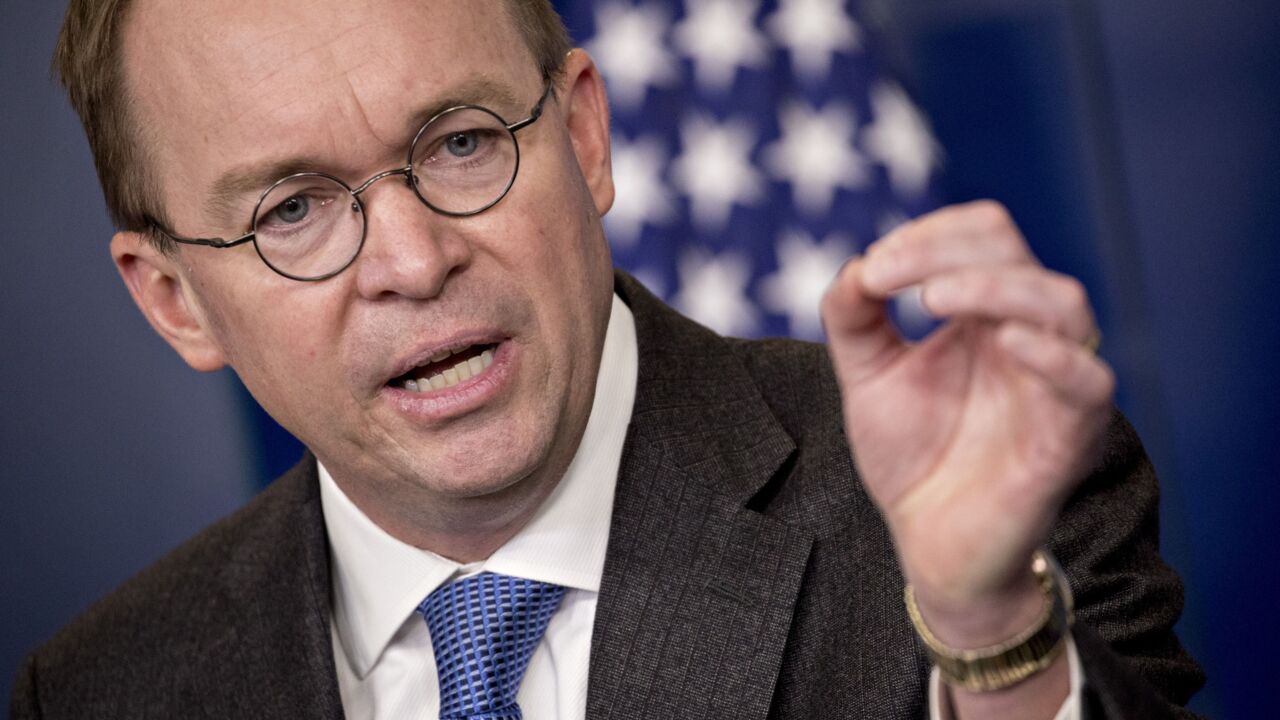
-
A few months after cutting ties with its Diem stablecoin project, the company formerly known as Facebook is testing a virtual world marketplace.
 April 13
-
The crypto payments startup Circle Internet Financial said it’s closer to submitting an application to operate as a bank in the U.S., pushing forward with a months-old plan even as regulators make it more difficult for crypto companies to secure this kind of license.
April 13
-
Circle Internet Financial, the issuer of USD Coin, the second-largest stablecoin, landed $400 million in funding from a group that includes BlackRock and Fidelity Management and Research, a sign of traditional finance’s growing acceptance of the exploding cryptocurrency industry.
April 12
-
People with a wealth of crypto holdings are loath to trigger a taxable event by cashing out. But they still represent a sizable market for the payments industry, according to the bank and fintech. "Demand for transacting in crypto is building, and we're preparing," said GreenBox CEO Fredi Nisan.
 April 11
-
Circle Internet Financial has conducted a number of “state visits” to the U.K. in the last year, flying over its most senior executives to engage with government, regulators and industry bodies with a view to expanding its business in the region.
April 8
-
The acting comptroller pushed back against a key feature of Sen. Pat Toomey’s stablecoin proposal, and the idea that stablecoins could be regulated as money market funds
 April 8


The first three months of the year coincide with the start of President Donald Trump's second term in office. Investors are likely to be more interested in banks' outlooks amid swings in tariff policy than the first-quarter results.


Frequently Asked Questions:
How are banks approaching dollar-backed digital assets (stablecoins)?
Stablecoins have moved from the edge of the crypto, world to the center of policy and banking conversations. As regulators and banks weigh their role in payments, settlement, and reserves, this page follows the developments — from early pilots to proposed legislation.
Banks are testing stablecoins for cross-border payments, liquidity management, and digital wallets. Some are also exploring how stablecoins can support interbank transactions or be issued directly by regulated institutions. As the landscape takes shape, stablecoins are starting to look less like an experiment and more like infrastructure.
Why are banks paying attention to stablecoins?
Stablecoins are increasingly viewed as a potential upgrade to legacy payments systems. Banks are evaluating them for settlement, remittances, cross-border transactions, and tokenized deposit models.Are banks issuing their own stablecoins?
Some are exploring the option. Institutions like JPMorgan (with JPM Coin) and new entrants like PayPal are piloting bank-issued stablecoins, while others are watching regulatory developments before moving forward.How do stablecoins impact compliance and risk?
Issues include KYC/AML enforcement, cybersecurity, operational risk, and how reserve assets are held and reported. Banks exploring stablecoin activity must weigh both technological benefits and regulatory scrutiny.How are regulators responding to stablecoin innovation?
Congress is debating stablecoin-specific bills focused on reserve backing, issuer licensing, and oversight. The Federal Reserve, OCC, and state regulators are also shaping how bank involvement in stablecoin activity is supervised.How are banks using stablecoin?
Banks are using stablecoins to speed up cross-border payments, manage liquidity across global branches in real time, and test new forms of settlement between institutions. Some are integrating stablecoins into retail-facing digital wallets, while others are exploring interbank networks built on tokenized payments. These efforts are less about crypto speculation and more about making money move faster, with greater transparency and fewer intermediaries.- Real-time cross-border payments
- Internal liquidity management
- Retail-facing digital wallets
- Interbank tokenized payment networks
Top banks investing in stablecoin
List of institutions with greatest investment in stablecoin:- JPMorgan Chase – JPM Coin
- Custodia Bank – Avit Tokens
- Citigroup - Citi Token Services
- Societe Generale - USD CoinVertible
- Bank of America - Name yet to be released
- Fifth Third - Name yet to be released
- U.S. Bancorp - Name yet to be released