
Stablecoins
How are banks approaching dollar-backed digital assets (stablecoins)?
Stablecoins have moved from the edge of the
Banks are testing stablecoins for cross-border payments, liquidity management, and digital wallets. Some are also exploring how stablecoins can support interbank transactions or be issued directly by regulated institutions. As the landscape takes shape, stablecoins are starting to look less like an experiment and more like infrastructure.
-
The warning doesn't touch on blockchain's nonfinancial applications, where it is making more of an impact, contends Joseph Thompson, CEO and co-founder of AID:Tech.
June 25 AID: Tech
 -
Nyca Partners is now an investor in enterprise blockchain, but in 2014 it had doubts about the technology.
June 22
-
Warnings about "breaking the internet" and environmental harm don't take blockchain's ability to improve these factors into account, contends Vladislav Dramaliev, marketing lead at aeternity.
June 22 aeternity -
The acting agency chief defended the “zero tolerance” policy while praising the permanent CFPB nominee suspected of having been involved in implementing it.
 June 20
-
Exchanges aren’t very transparent about their methods, but that in fact most handle such internal transactions exactly how regular banks have worked for centuries.
June 20
-
It’s possible for a cryptocurrency to begin as a security and then transform into another type of asset, said William Hinman, who heads the regulator's division of corporation finance.
June 14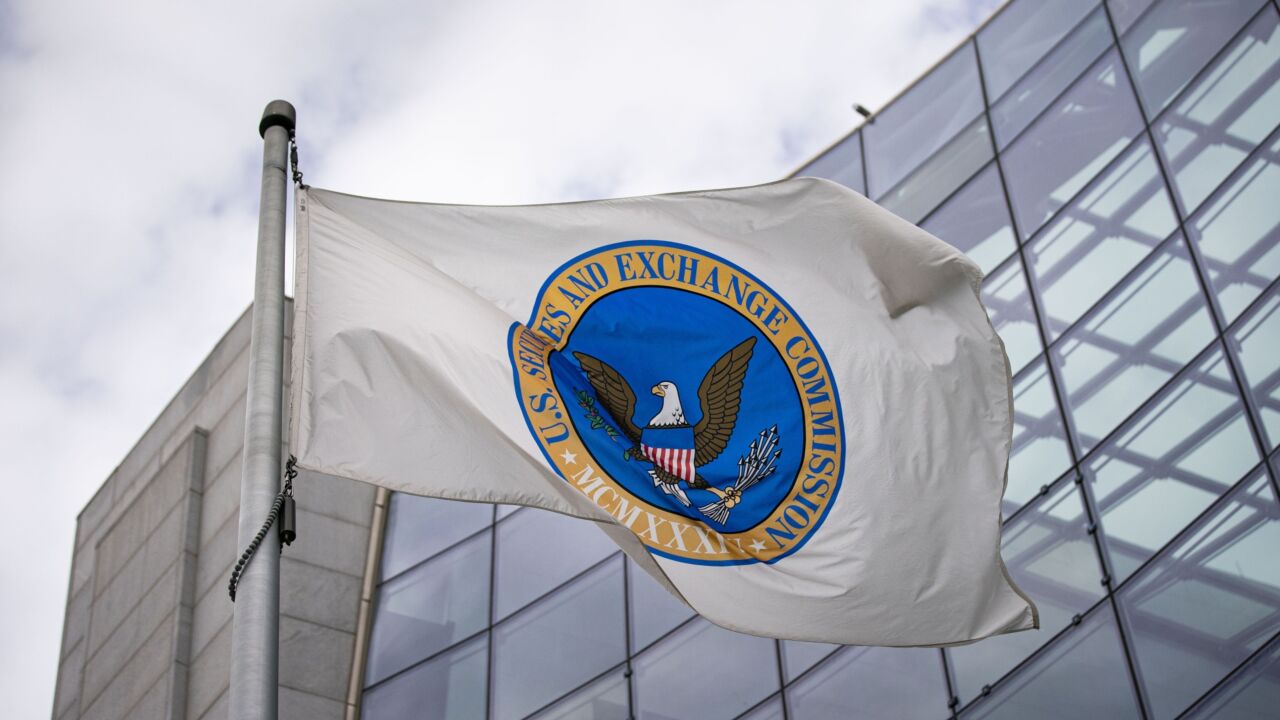
-
Janeffer Wacheke’s fresh-vegetable stall in Nairobi uses technology that’s helping crack a problem Kenyan banks have so far failed to solve -- measuring the creditworthiness of traders in the country’s $20 billion informal economy.
June 14
-
Wirecard has created a blockchain-based B2B application to streamline payments for merchants buying raw materials like coffee, crude oil and steel.
 June 14
 -
Users wishing to move holdings from, say, the Bitcoin to the Ethereum blockchain usually go to an exchange, and convert their Bitcoin into Ether. Along the way, they often pay sizable fees. Once interoperability becomes possible, some of these fees should disappear or decline
June 12
-
Since addresses are recorded in the blockchain, it is possible to trace each transaction where the address was used, which aids in AML, according to Ron Teicher, CEO of EverCompliant.
June 11 EverCompliant


The first three months of the year coincide with the start of President Donald Trump's second term in office. Investors are likely to be more interested in banks' outlooks amid swings in tariff policy than the first-quarter results.


Frequently Asked Questions:
How are banks approaching dollar-backed digital assets (stablecoins)?
Stablecoins have moved from the edge of the crypto, world to the center of policy and banking conversations. As regulators and banks weigh their role in payments, settlement, and reserves, this page follows the developments — from early pilots to proposed legislation.
Banks are testing stablecoins for cross-border payments, liquidity management, and digital wallets. Some are also exploring how stablecoins can support interbank transactions or be issued directly by regulated institutions. As the landscape takes shape, stablecoins are starting to look less like an experiment and more like infrastructure.
Why are banks paying attention to stablecoins?
Stablecoins are increasingly viewed as a potential upgrade to legacy payments systems. Banks are evaluating them for settlement, remittances, cross-border transactions, and tokenized deposit models.Are banks issuing their own stablecoins?
Some are exploring the option. Institutions like JPMorgan (with JPM Coin) and new entrants like PayPal are piloting bank-issued stablecoins, while others are watching regulatory developments before moving forward.How do stablecoins impact compliance and risk?
Issues include KYC/AML enforcement, cybersecurity, operational risk, and how reserve assets are held and reported. Banks exploring stablecoin activity must weigh both technological benefits and regulatory scrutiny.How are regulators responding to stablecoin innovation?
Congress is debating stablecoin-specific bills focused on reserve backing, issuer licensing, and oversight. The Federal Reserve, OCC, and state regulators are also shaping how bank involvement in stablecoin activity is supervised.How are banks using stablecoin?
Banks are using stablecoins to speed up cross-border payments, manage liquidity across global branches in real time, and test new forms of settlement between institutions. Some are integrating stablecoins into retail-facing digital wallets, while others are exploring interbank networks built on tokenized payments. These efforts are less about crypto speculation and more about making money move faster, with greater transparency and fewer intermediaries.- Real-time cross-border payments
- Internal liquidity management
- Retail-facing digital wallets
- Interbank tokenized payment networks
Top banks investing in stablecoin
List of institutions with greatest investment in stablecoin:- JPMorgan Chase – JPM Coin
- Custodia Bank – Avit Tokens
- Citigroup - Citi Token Services
- Societe Generale - USD CoinVertible
- Bank of America - Name yet to be released
- Fifth Third - Name yet to be released
- U.S. Bancorp - Name yet to be released