
Stablecoins
How are banks approaching dollar-backed digital assets (stablecoins)?
Stablecoins have moved from the edge of the
Banks are testing stablecoins for cross-border payments, liquidity management, and digital wallets. Some are also exploring how stablecoins can support interbank transactions or be issued directly by regulated institutions. As the landscape takes shape, stablecoins are starting to look less like an experiment and more like infrastructure.
-
Citigroup's venture capital investing group made its first digital-asset seed investment in a Hong Kong-based digital-asset management firm.
October 6
-
The lawmakers have asked Attorney General Merrick Garland to share the Department of Justice's analysis on creating a central bank digital currency by Oct. 15.
 October 5
-
In the master account lawsuit, the Fed says reserve banks aren't subject to administrative procedure law, and urges the court not to jeopardize the balance Congress has created with the Federal Reserve System.
 October 5
-
U.S. lawmakers' efforts to pass significant crypto legislation by the end of the year are on life support, leaving in place Washington's scattershot approach to digital coins.
October 5
-
In global news this week, Societe Generale makes a fintech acquisition, Mastercard expands in Latin America, Argentina fuels crypto mining, and more.
 October 5
-
The European Union is looking to exchange views on the development of crypto legislation with U.S. officials during next week's International Monetary Fund-World Bank annual meetings, as calls grow for a more coordinated global regulatory framework.
October 5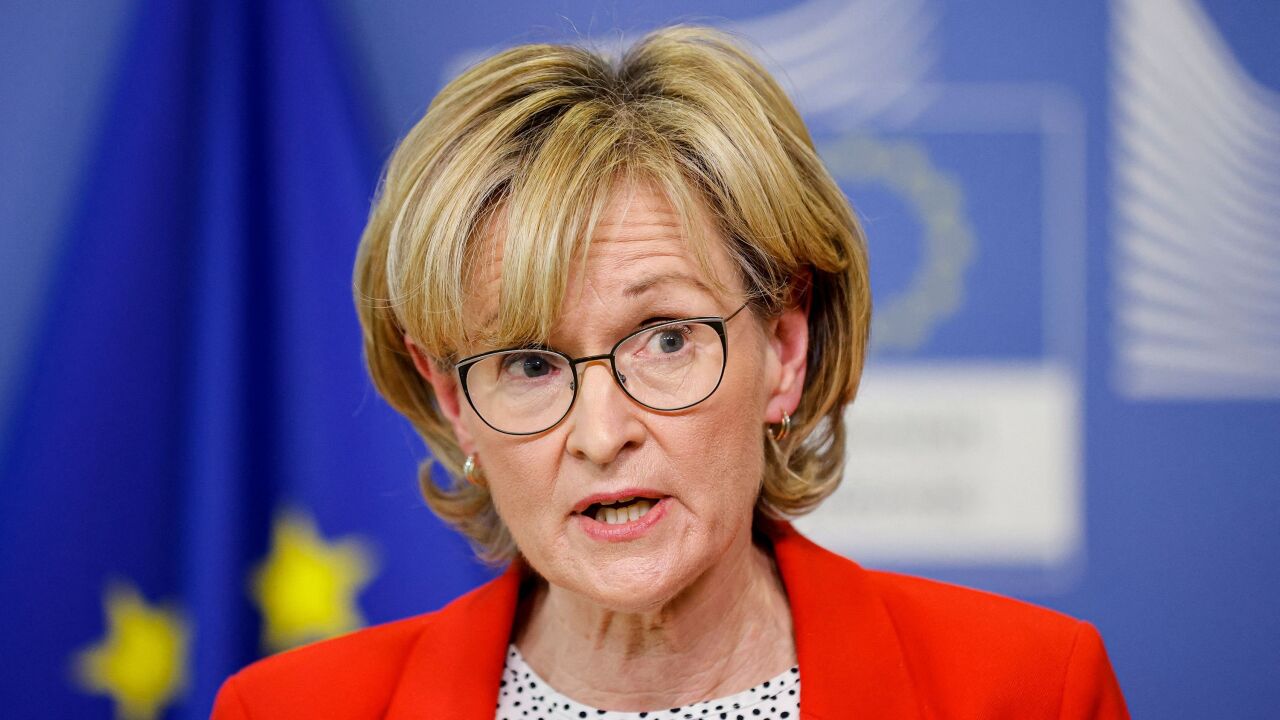
-
The Biden administration is methodically laying out a regulatory framework for crypto markets, but until that is in place it's allowing those markets to reap what they have sown.
October 4 American Banker
 -
The report from the Financial Stability Oversight Council on cryptocurrency also urges action to prevent regulatory arbitrage and for regulators to study direct access to markets by retail customers.
October 3
-
Customers Bank, Cogent Bank and Western Alliance bank settled 400 transactions among themselves in real time, over the course of eight hours.
 October 3
-
The bitcoin firm NYDIG, which counts some of the biggest Wall Street banks as its partners, appointed a new chief executive and president, the latest changing of the guard in the battered crypto industry.
October 3


The first three months of the year coincide with the start of President Donald Trump's second term in office. Investors are likely to be more interested in banks' outlooks amid swings in tariff policy than the first-quarter results.


Frequently Asked Questions:
How are banks approaching dollar-backed digital assets (stablecoins)?
Stablecoins have moved from the edge of the crypto, world to the center of policy and banking conversations. As regulators and banks weigh their role in payments, settlement, and reserves, this page follows the developments — from early pilots to proposed legislation.
Banks are testing stablecoins for cross-border payments, liquidity management, and digital wallets. Some are also exploring how stablecoins can support interbank transactions or be issued directly by regulated institutions. As the landscape takes shape, stablecoins are starting to look less like an experiment and more like infrastructure.
Why are banks paying attention to stablecoins?
Stablecoins are increasingly viewed as a potential upgrade to legacy payments systems. Banks are evaluating them for settlement, remittances, cross-border transactions, and tokenized deposit models.Are banks issuing their own stablecoins?
Some are exploring the option. Institutions like JPMorgan (with JPM Coin) and new entrants like PayPal are piloting bank-issued stablecoins, while others are watching regulatory developments before moving forward.How do stablecoins impact compliance and risk?
Issues include KYC/AML enforcement, cybersecurity, operational risk, and how reserve assets are held and reported. Banks exploring stablecoin activity must weigh both technological benefits and regulatory scrutiny.How are regulators responding to stablecoin innovation?
Congress is debating stablecoin-specific bills focused on reserve backing, issuer licensing, and oversight. The Federal Reserve, OCC, and state regulators are also shaping how bank involvement in stablecoin activity is supervised.How are banks using stablecoin?
Banks are using stablecoins to speed up cross-border payments, manage liquidity across global branches in real time, and test new forms of settlement between institutions. Some are integrating stablecoins into retail-facing digital wallets, while others are exploring interbank networks built on tokenized payments. These efforts are less about crypto speculation and more about making money move faster, with greater transparency and fewer intermediaries.- Real-time cross-border payments
- Internal liquidity management
- Retail-facing digital wallets
- Interbank tokenized payment networks
Top banks investing in stablecoin
List of institutions with greatest investment in stablecoin:- JPMorgan Chase – JPM Coin
- Custodia Bank – Avit Tokens
- Citigroup - Citi Token Services
- Societe Generale - USD CoinVertible
- Bank of America - Name yet to be released
- Fifth Third - Name yet to be released
- U.S. Bancorp - Name yet to be released