
Cryptocurrency
Cryptocurrency


-

The criminal cases against these former 30 Under 30 honorees highlight the dangers of prioritizing hypergrowth narratives over proper due diligence.
March 16 -

Investors claim JPMorganChase collected fees while ignoring suspicious transfers linked to a $328 million crypto Ponzi scheme.
March 13 -
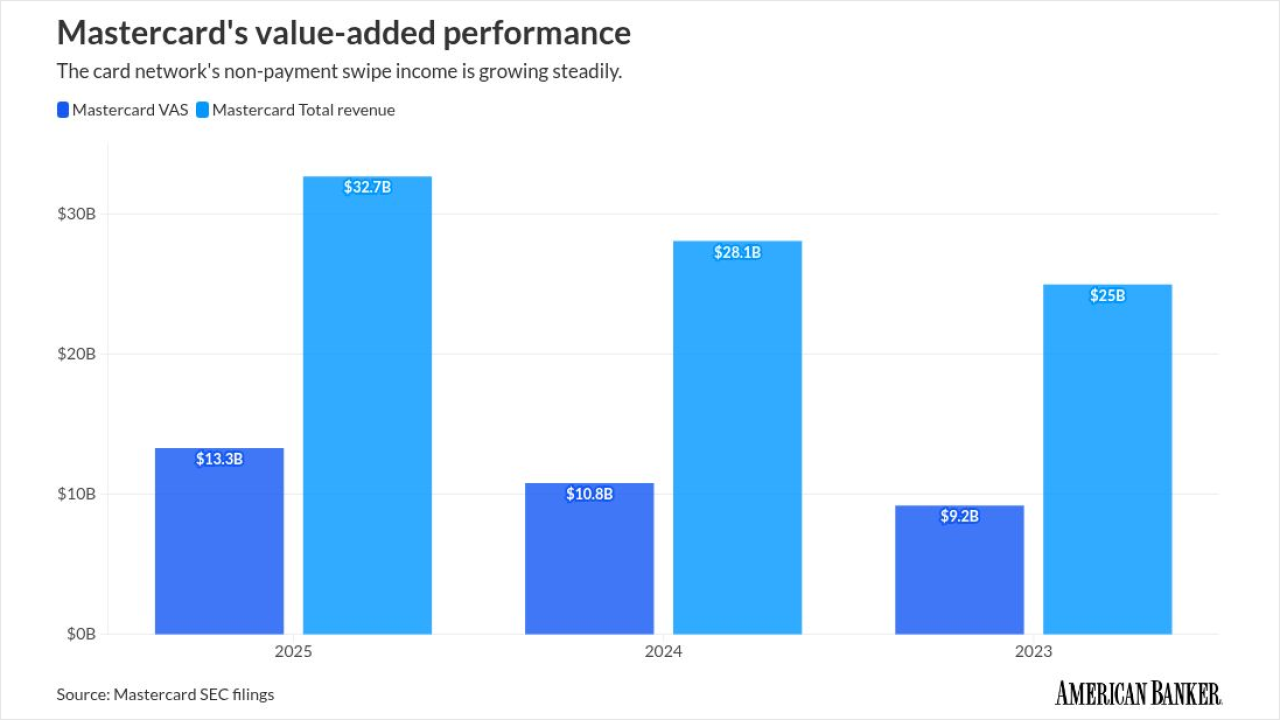
The card network hopes to increase revenue from non-card payments and is tapping two major technology trends.
March 11 -

The bank is partnering with a French software company to upgrade its usage of the emerging forms of artificial intelligence. Plus, Ripple plans to buy a local payment company to secure a license in Australia, and more in American Banker's global payments and fintech roundup.
March 11 -

Kraken Financial's receipt of a limited Federal Reserve master account is leading some industry observers to question whether the approval creates a new avenue for master account-seekers or whether it's a preview of the proposed "skinny" account.
March 11 -
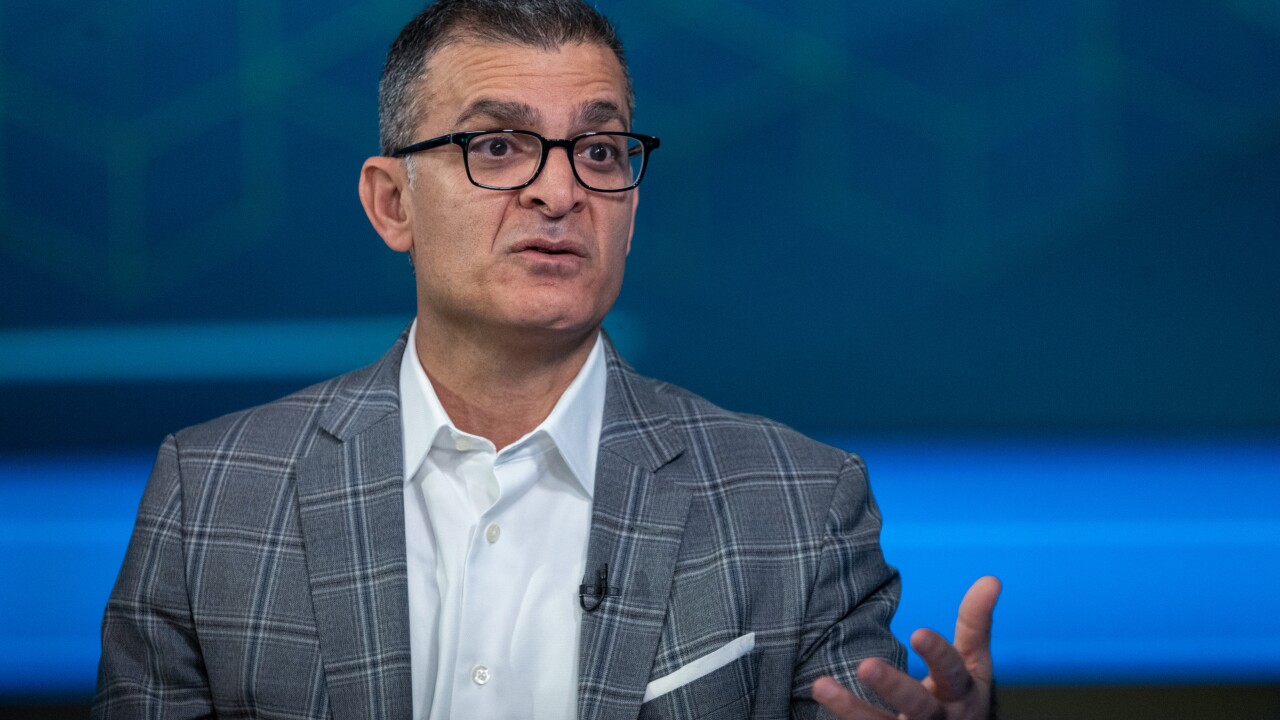
Nasdaq announced its partnership with the crypto exchange as part of an initiative for 24/7 trading that is pending regulatory approval from the SEC.
March 9 -

The digital asset company, currently partnered with firms like Morgan Stanley and One Pay, is seeking its own national trust bank charter from the OCC.
March 6 -

JPMorganChase's Alfredo Porretti has left the firm; two junior Goldman Sachs bankers took part in a controversial fashion shoot; Societe Generale appointed Selina Cheung head of equity capital markets in Asia Pacific; and more in this week's banking news roundup.
March 6 -
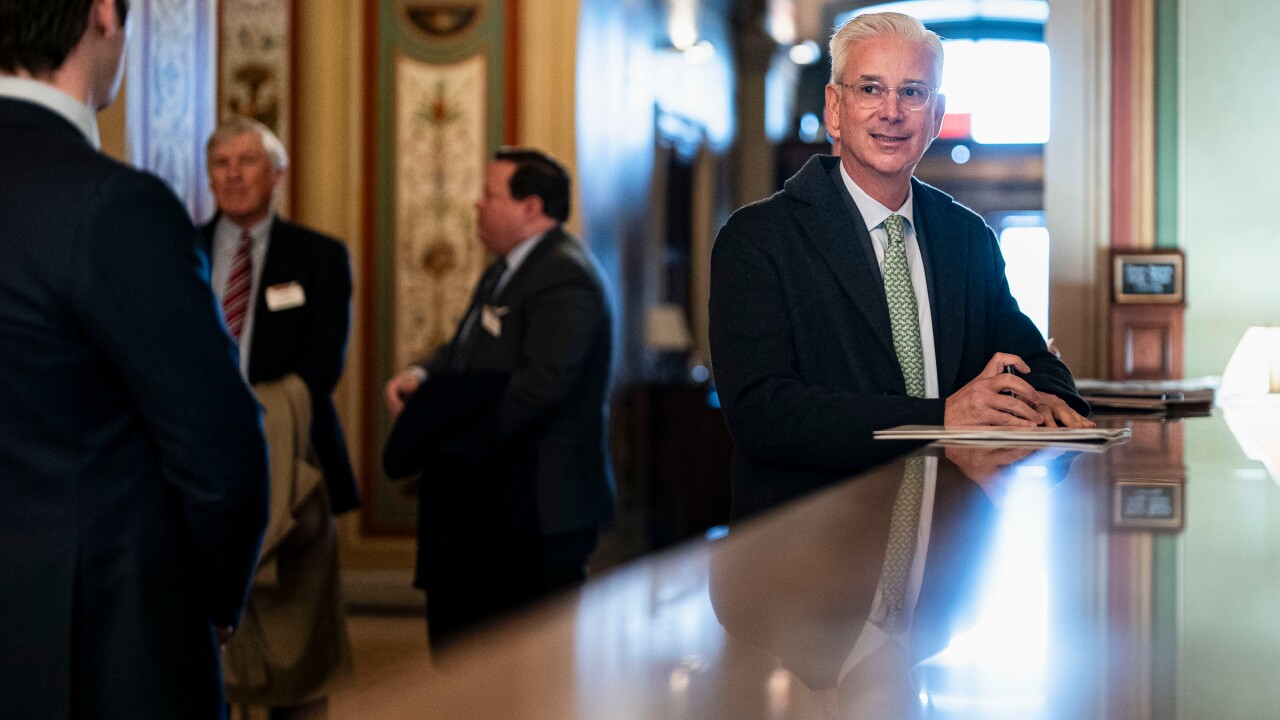
Romance scams and other "pig butchering" frauds are growing rapidly. Should banks refund the stolen money? Not all agree on the answer to that question.
March 6 -

Federal Reserve Vice Chair for Supervision Michelle Bowman played down the significance of Kraken Financial receiving a master account, saying the central bank is treating it as a pilot program.
March 5 -

Noelle Acheson points out that a wander through stablecoin history highlights an overlooked use case likely to be of interest to financial services providers.
March 5 -

Morgan Stanley wants to get into crypto, and Kraken is getting inside the Fed. Plus Banco Santander faces a dilemma, and prediction markets make some questionable bets.
March 5 -
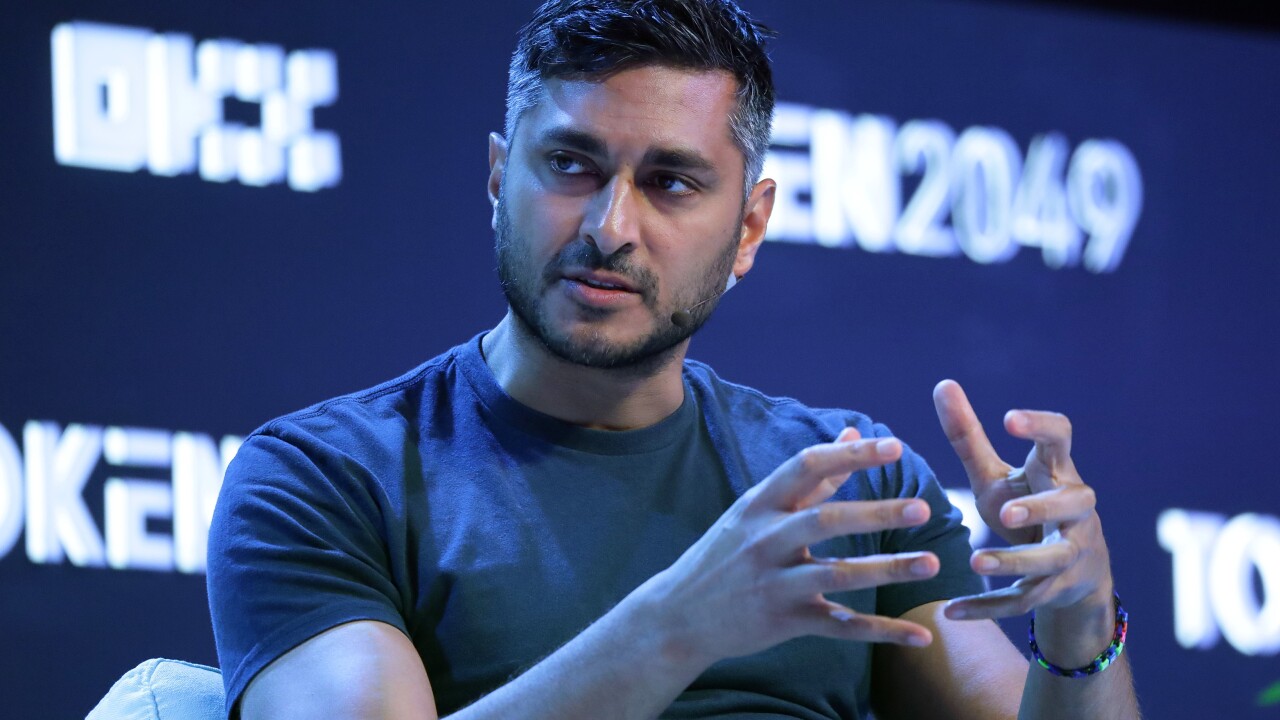
Traditional banks warn the Fed's decision to grant Kraken a limited-purpose account introduces systemic risks before final rules are even in place.
March 4 -
The proposed national trust charter company would be a wholly owned subsidiary of Morgan Stanley. The application was filed on Feb. 18.
February 27 -
A final rule published by the Office of the Comptroller of the Currency Friday will formalize a 2021 interpretive guidance allowing national trust banks to perform non-fiduciary custody. The banking industry complained that the rule runs counter to the traditional scope of the charter.
February 27 -
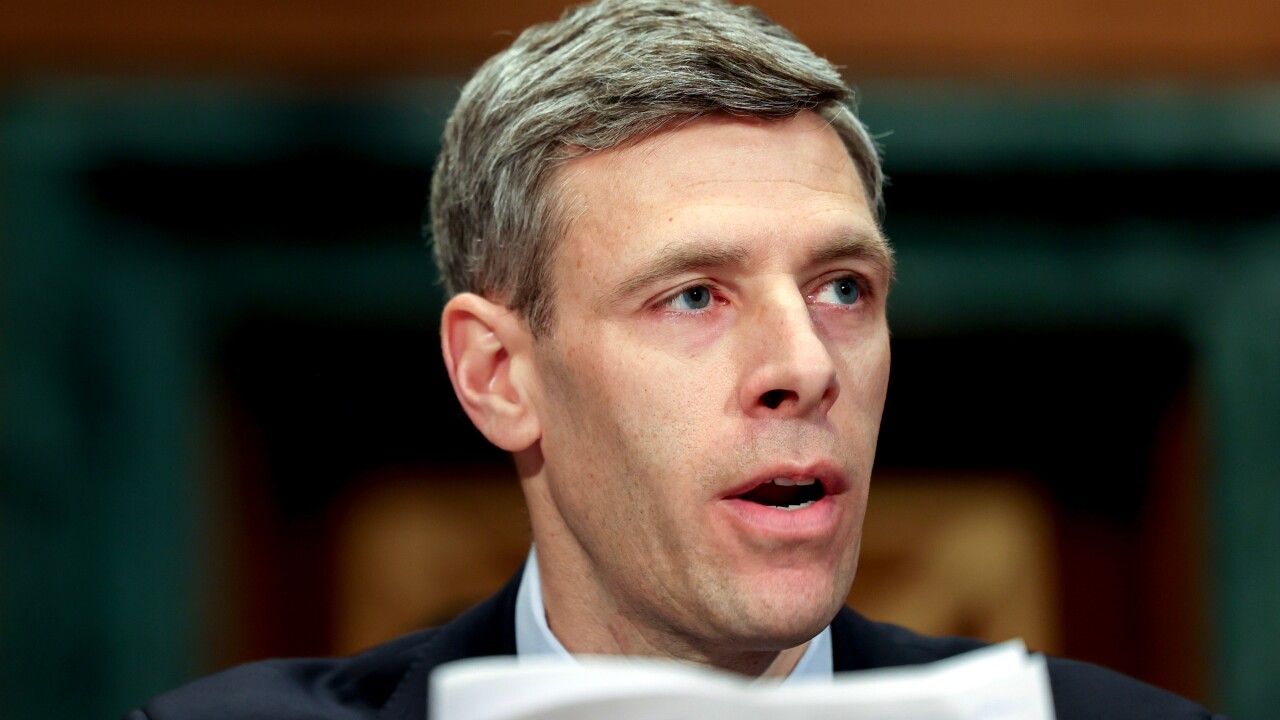
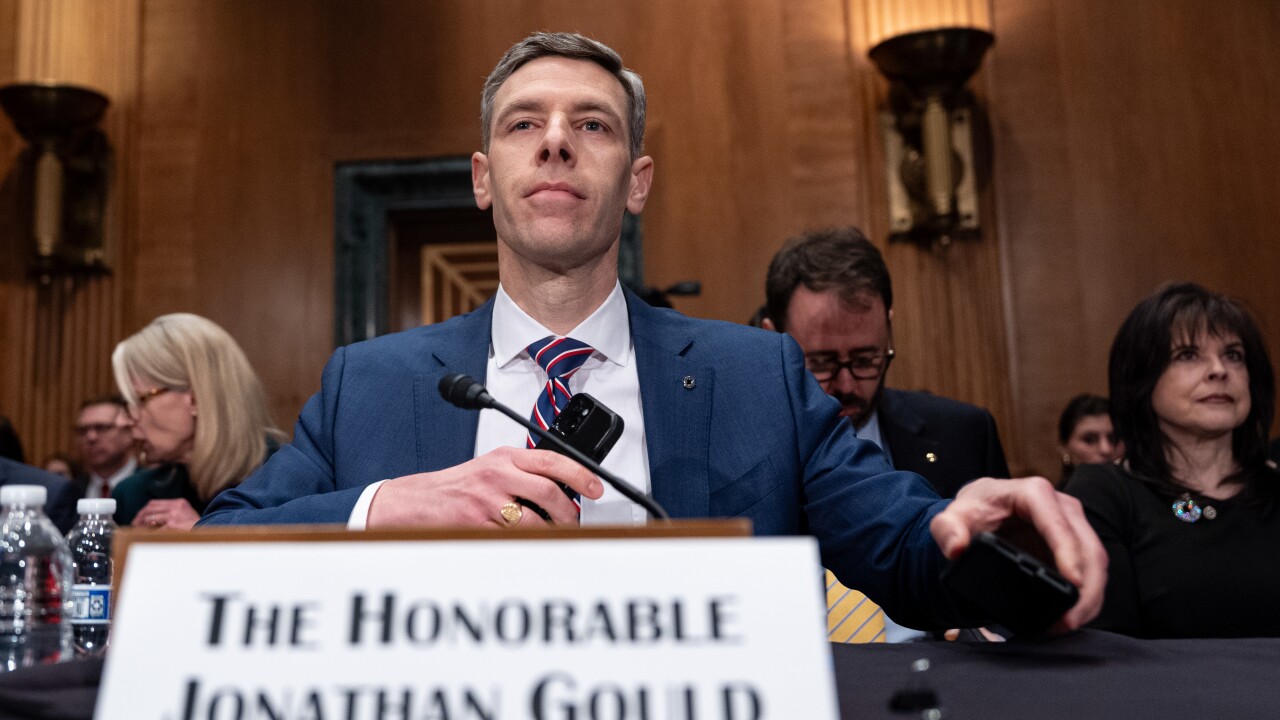
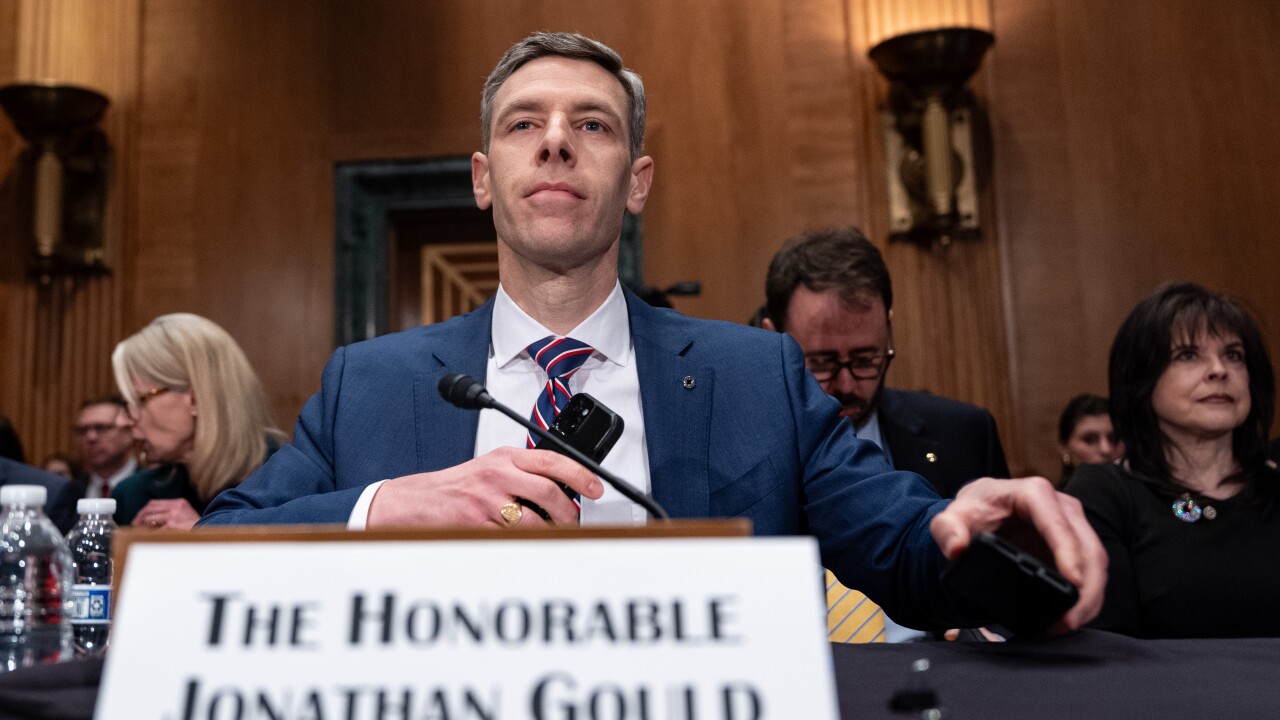
Comptroller of the Currency Jonathan Gould took several assertive stances at a Senate Banking Committee hearing Thursday, minimizing concerns about banks' potential compliance costs to collect citizenship data and sidestepping questions about World Liberty Financial's trust charter application.
February 26 -
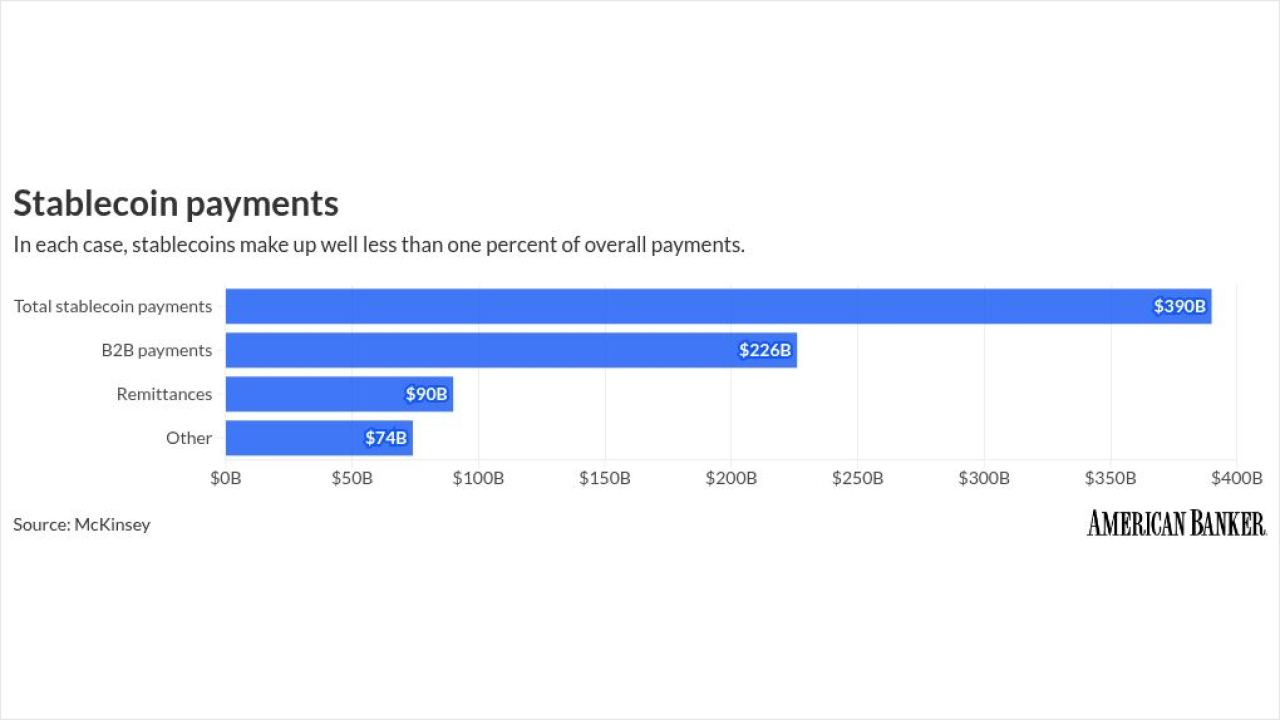
In this week's American Banker global payments and fintech roundup, Revolut, Tether and Circle made announcements designed to improve their standing in the stablecoin market. That comes amid new research from McKinsey that says the digital asset is growing quickly, but has not made even a small dent in payments.
February 25 -

If the company gets final approval, it will be the newest crypto firm to receive a charter in recent months.
February 24 -

While bank and crypto lobbyists argue over yield provisions in the crypto bill, another part of the legislation could have a much bigger impact on banks' bottom lines.
February 24 -

The stablecoin arm of Stripe recently announced its conditional trust charter approval from the OCC and a partnership with business payments fintech Payoneer.
February 19


