-
Ultraconservatives in the House have dominated the public discussion on the U.S. debt ceiling, but Speaker Kevin McCarthy can't afford to ignore GOP centrists if the country is to avoid a catastrophic payments default later this year.
January 25
-
After months of forecasting and bracing for a recession in 2023, the economy seems increasingly durable. But it depends on what you're looking for.
January 24 American Banker
 -
The Birmingham, Alabama, bank expects up to $5 billion in additional deposit declines in the first half of 2023 but is hopeful for potential growth in funding later this year.
 January 20
-
Speaking at an event hosted by the Council on Foreign Relations, Federal Reserve Gov. Christopher Waller said the Federal Reserve has a long runway for its balance sheet reduction.
 January 20
-
The Cincinnati bank expects net interest income growth to cool considerably and fee income to tread water as rate hikes slow and inflation moderates but still continues.
January 19
-
As economic clouds swirl, Swiss ski-resort conclave features optimistic bank execs
January 19
-
In a speech delivered Thursday afternoon, the Federal Reserve's vice chair said she does not see a wage-price spiral driving inflation, but rather a "price-price spiral."
January 19
-
The Pittsburgh bank posted a solid profit and said that it expects continued loan growth. But the pace of business expansion could slow alongside an economic downturn.
January 18
-
CEO Bruce Van Saun said that any potential recession will likely be "subdued," as the Rhode Island bank projected a rebound in noninterest income.
January 17
-
For the fourth straight quarter, the nation's largest bank boosted its loan-loss reserves, this time setting aside $1.4 billion to cover potentially souring loans. Other big banks made similar moves as the industry braces for a potential recession.
 January 13
-
Regulators must not choke off lending at a time when banks are well positioned to help ease the blow of an economic downturn.
January 13
-
The market volatility and interest rate hikes that gave U.S. banks their biggest windfall last year may prove to be their biggest headache in 2023.
January 11
-
More U.S. consumers are relying on their credit cards each month — and many are doing so without knowing the interest rates they're paying.
January 10
-
Significantly fewer households expected to be in worse shape in the coming year than was the case last summer, according to a December survey. The results are a positive sign for banks at the start of earnings season.
 January 9
- AB - Policy & Regulation
Failing to raise the debt ceiling could throw the Treasury market into disarray, and Republicans' message is undercut in Washington.
 January 6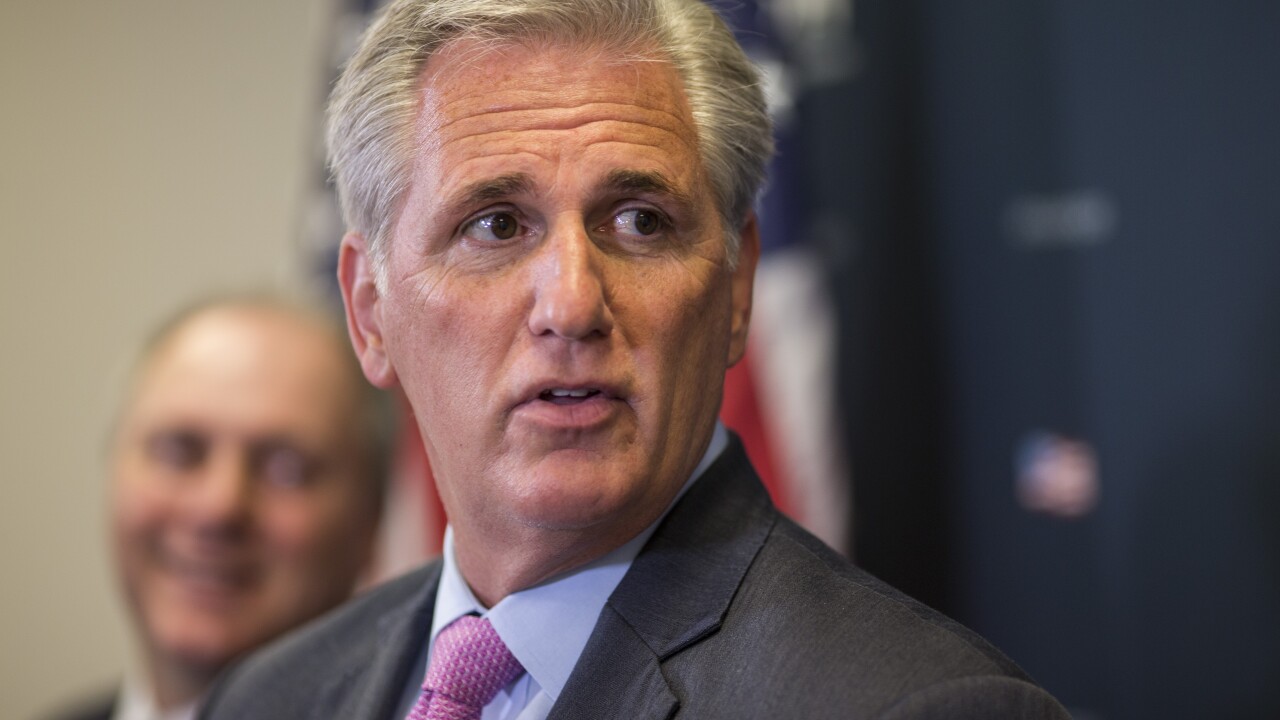
-
The impact of a weakening economy on quarterly performance will become clearer by the second week of January as banks begin to report fourth-quarter earnings.
January 6
-
Minneapolis Federal Reserve Bank President Neel Kashkari compared the recent inflation to rideshare surge pricing, and called for a new approach to gauging and modeling price pressures.
 January 4
-
The conflict caused inflationary price swings and an exodus of Western businesses from Russia, while also making a recession more likely in 2023.
December 30
-
Banks, fintechs and advisors are cautiously pushing investments next year to keep up with industry expectations.
 December 19
-
Many believe the Federal Reserve will slow down rate increases beginning in December.. Steve Friedman, senior macroeconomist at MacKay Shields, will join us the day after the meeting to discuss what was done and what he expects in the future.


