-
Uber Technologies Inc. agreed to buy Postmates Inc. for $2.65 billion to expand in food delivery after the coronavirus pandemic cratered demand for ride-hailing, its main business, and an earlier attempt to acquire Grubhub foundered.
July 6
-
Participation in the Main Street Lending Program for midsize companies is partly about public service, but the core business rationale is building "a banking relationship that continues on for some time," the Boston Fed chief says.
June 23
-
Loan forbearances are wreaking havoc with firms that normally clean up during recessions; the Fed’s latest rescue plan is off to a rocky start as few banks show interest in making the loans.
June 19 -
When launching an e-commerce service in Russia more than a year ago, Ingenico Group knew it was entering a complex financial and payments market, as well as one with domestic e-commerce ecosystems unique to each region.
 June 18
 -
Fully decentralized digital currencies have far greater protection against total mismanagement and corruption of capital. Blockchain technology makes it practical for even state-controlled blockchains to make inflationary measures fair, says Nash's Fabio Canesin.
June 18 Nash
Nash -
India’s antitrust watchdog is reviewing Facebook Inc.’s purchase of a 10% stake in Reliance Industries Ltd.’s digital assets, a deal that would give the U.S. giant another foothold in one of the world’s fastest growing internet markets.
June 17 -
Giant U.S. banks still have to deliver a Brexit plan to get staff across the English Channel before a potential second wave of COVID-19 forces Europe's doors shut again.
June 16
-
Facebook Inc.’s WhatsApp messenger launched a payments feature in Brazil, the app’s second-biggest market with more than 120 million users.
June 15 -
Walmart Inc. has partnered with e-commerce giant Shopify Inc. to expand its third-party marketplace site and grab more of the pandemic-fueled surge in online shopping. Shares of the Canadian technology company rose on Monday.
June 15 -
Lawmakers shouldn't let themselves be misled by a slower pace in personal bankruptcy filings so far this year.
June 15 North South Government Strategies
 -
The central bank is only now nearing the launch of the credit facilities after the effort was announced in April. But Chairman Jerome Powell said loans have been available through other means.
June 10!["Lots and lots of companies are getting financed, the banks are lending, the markets are open [and] you have a much easier lending climate certainly than we had in February and March,” said Fed Chairman Jerome Powell.](https://arizent.brightspotcdn.com/dims4/default/fbc1bc2/2147483647/strip/true/crop/5000x2813+0+260/resize/1280x720!/quality/90/?url=https%3A%2F%2Fsource-media-brightspot.s3.us-east-1.amazonaws.com%2F83%2F6e%2F85f1644b4882ba60928b3af2d61b%2Fpowell-jerome-bl-061020.jpg)
-
The FHFA’s proposal is intended to strengthen Fannie Mae and Freddie Mac, but many experts warn that it could boost guarantee fees for lenders that they say may be passed on to borrowers.
June 8
-
The Consumer Financial Protection Bureau seeks to address challenged posed by the sunset of the London interbank offered rate at the end of 2021.
June 4
-
Grab Holdings Inc., Southeast Asia’s ride-hailing giant, is expanding delivery services from convenience stores and supermarkets across 50 cities in the region.
June 4 -
The coronavirus pandemic has changed the way many industries conduct business — and that's especially true of the legal cannabis industry, which was already struggling in the U.S. to find the best way to handle noncash payments.
 June 4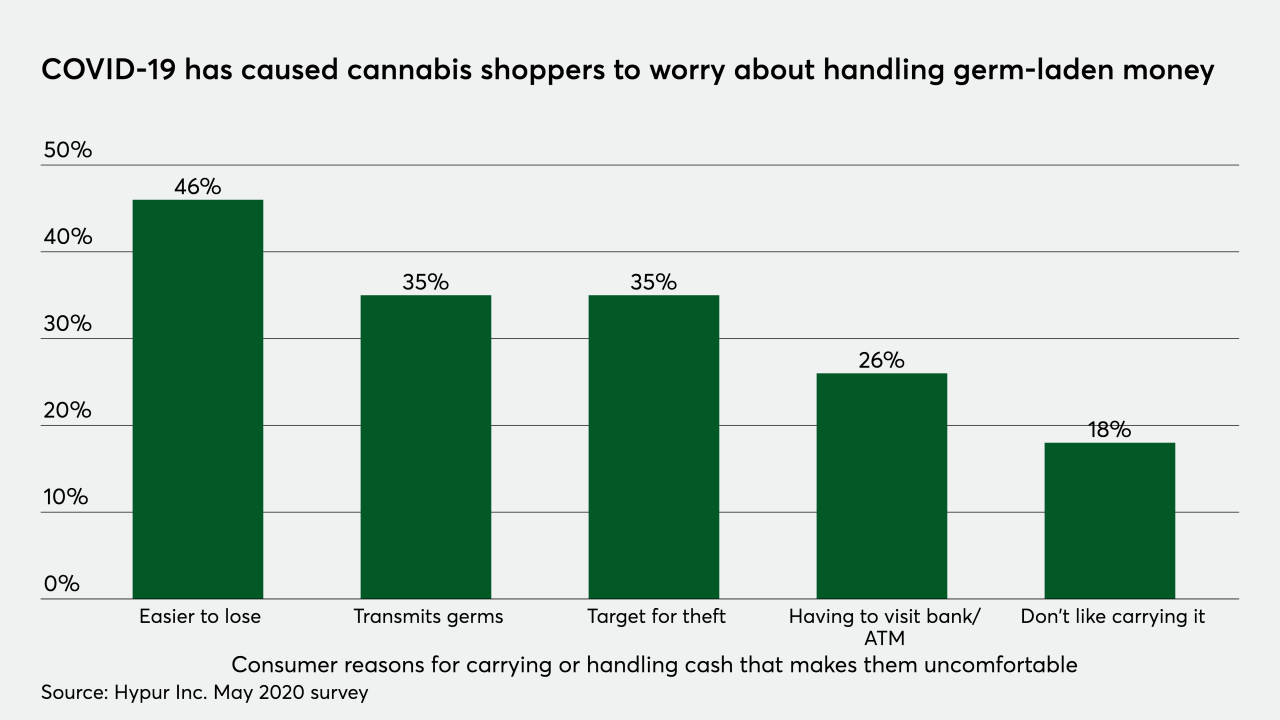
-
New York State regulators may bring an enforcement action against the German bank as early as this month; Wells Fargo’s decision to stop making loans to the dealers has more to do with credit quality than asset limits.
June 3
-
The new product, which comes as an earlier partnership with the online lender Kabbage is sputtering, figures to appeal to companies with tight cash flows.
 June 2
-
Competition over virtual currency could alter politics and global power structures, potentially to the detriment of the U.S., the author of "The Currency Cold War" argues.
 June 1
-
The security method offers real-time authentication checks to combat phony chargebacks, says PAAY CEO Yitz Mendlowitz.
June 1 PAAY
PAAY -
Minimizing outsourcing is one way to minimize uncertainty, making sure you’re the one in the driver’s seat of your plans.
May 29 Dating.com Group


!["Lots and lots of companies are getting financed, the banks are lending, the markets are open [and] you have a much easier lending climate certainly than we had in February and March,” said Fed Chairman Jerome Powell.](https://arizent.brightspotcdn.com/dims4/default/2cd8a91/2147483647/strip/true/crop/5000x2813+0+260/resize/1440x810!/format/webp/quality/90/?url=https%3A%2F%2Fsource-media-brightspot.s3.us-east-1.amazonaws.com%2F83%2F6e%2F85f1644b4882ba60928b3af2d61b%2Fpowell-jerome-bl-061020.jpg)


