-
An account of the debate at the Federal Reserve's July policy meeting, set to be published after two weeks of whiplash on Wall Street, will probably offer clues as to what would push the central bank to go big with tightening yet again in September.
August 15
-
A federal judge in New York vacated the guilty plea of a former Deutsche Bank trader who admitted to conspiring with others to manipulate the Libor interest rate benchmark, after an appeals court overturned the convictions of two of his ex-colleagues earlier this year.
August 5
-
The three-month London interbank offered rate for dollars climbed to a nearly 14-year high as traders brace for steady interest rate hikes from the Federal Reserve, backing away from speculation the central bank will ease up as the economy shows signs of cooling.
August 3
-
The last time inflation burned hot, consumers could put money in the bank and watch it grow like the prices on store shelves, easing much of the pain. Not this time — and that’s stoking profits for U.S. lenders.
August 1
-
Fed Chairman Jerome Powell brushed off concerns that rapidly tightening monetary policy could disrupt the financial system. Some economists and policy experts beg to differ, raising concerns about loan defaults or even the collapse of a key institution or counterparty.
 July 29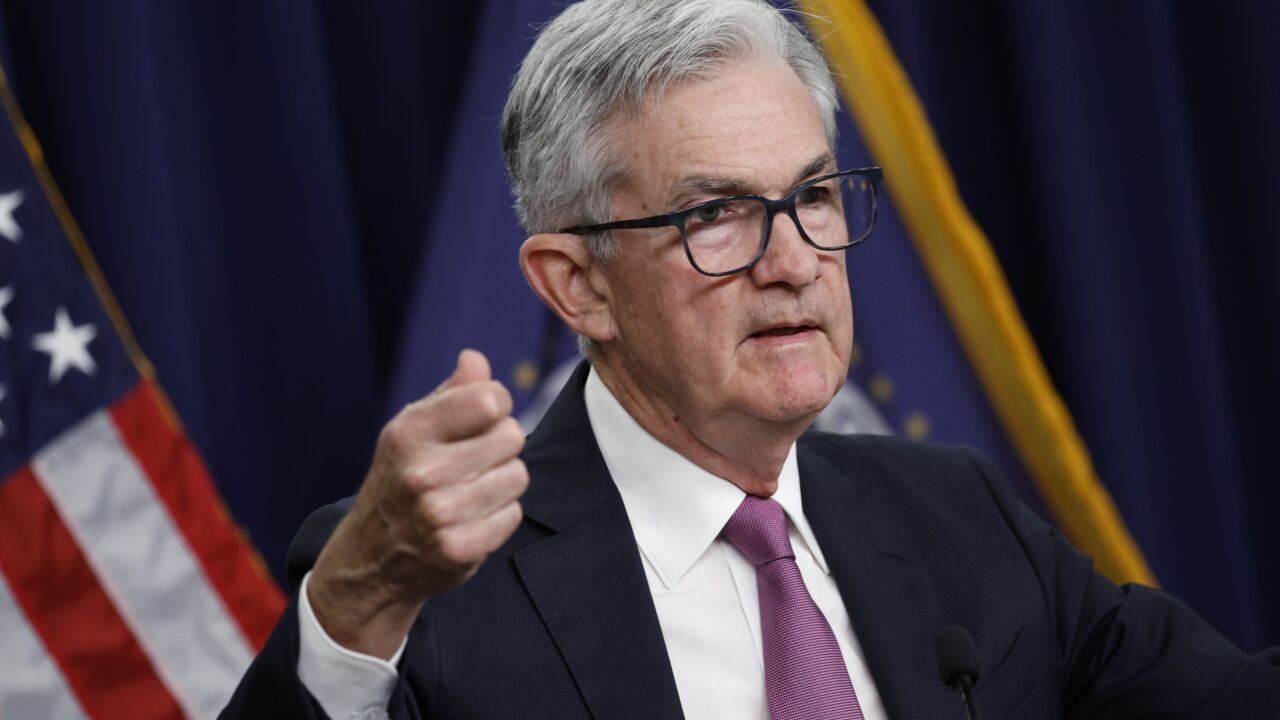
-
Bank of America is keeping to its original hiring plans despite challenging economic conditions that have prompted others to pull back, Chief Executive Brian Moynihan said.
July 21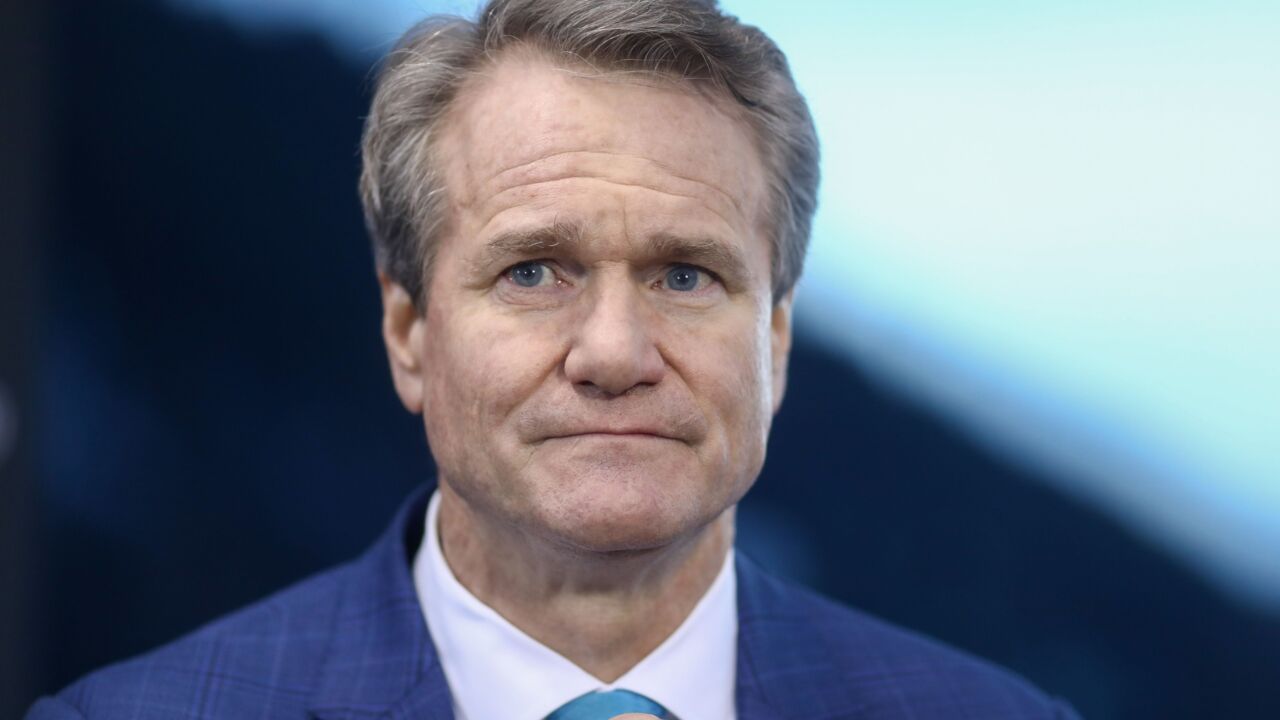
-
Almost 100% of small-bank executives who responded to a recent IntraFi survey say they expect the U.S. economy to fall into a recession by next year. The top reason why: an overcorrection by the Federal Reserve as the central bank tries to tame inflation.
 July 13
-
The Federal Reserve’s aggressive rate hikes are leading corporate clients to demand higher deposit rates, according to industry consultants. Some banks are better positioned than others to weather the changing landscape.
 July 4
-
A dirty little secret in a $1.2 trillion world of credit is getting exposed as the Wall Street rout deepens: Private debt is now the cheaper financing option for big-ticket leveraged borrowers than the ailing public market — upending industry norms.
June 29
-
JPMorgan Chase is laying off hundreds of home-lending employees and reassigning hundreds more this week as rapidly rising mortgage rates drive down demand in what had been a red-hot housing market.
June 22
-
Wells Fargo, U.S. Bancorp, Truist Financial and PNC Financial were among the banks that said they are raising their prime lending rates from 4.0% to 4.75%.
June 15
-
Some of the riskiest loans given to millennials and Gen Z shoppers for clothes and electronics — and neatly repackaged for investors — are dropping in value.
June 8
-
The Federal Reserve is about to start shrinking its $8.9 trillion balance sheet, deploying a second tool along side higher interest rates to curb inflation, though officials don’t know just how effective it will be.
June 1
-
Goldman Sachs’ Marcus, Synchrony Financial, American Express and Capital One Financial are among the banks that have recently raised their five-year CD yields. The price competition arrives as the Federal Reserve acts quickly to rein in inflation, spurring expectations that rates will continue to rise.
May 25
-
Bank of Nova Scotia and Bank of Montreal, Canada’s third- and fourth-largest lenders, got a boost last quarter as the nation’s businesses increased borrowing to meet customer demand.
May 25
-
The amount of money parked at a major Federal Reserve facility climbed to yet another all-time high, surpassing the $2 trillion milestone for the first time, as investors struggled to find places to invest their cash in the short term.
May 24
-
The Swedish buy now/pay later company Klarna Bank saw its borrowing costs rise to their highest level on record as rising rates hit the company’s debt and equity valuation.
May 23
-
The Federal Reserve’s forceful moves to fight inflation are resetting expectations about how quickly banks will need to start raising their deposit rates.
May 13
-
The CEOs of both Upstart and Oportun said this week that while they will maintain their existing interest rate limits, some higher-risk customers will no longer qualify for their loans as borrowing costs rise.
May 10
-
The Fed waited too long to address inflation. Now we can expect higher borrowing costs as well as inflation.
May 2 National Federation of Independent Business


