-
The payments fintech announced that it has applied for a national trust bank charter from the OCC for both bitcoin and stablecoin custody.
 September 9
-
OpenReserve, a proposed digital bank built by former MoneyLion executives, is the next bank seeking to bring digital asset technology to institutional banking.
September 9
-
The agency approved a full-service national bank but gated four product lines behind separate sign-offs, a condition advisors say is unlike other approvals.
September 3
-
The instant payments company announced a $155 million fundraise and has filed to acquire Transact Bank, which it wants to convert into TabaPay Bank.
September 3
-
The crypto firm has resubmitted its request for a national trust bank charter from the federal agency after its first filing was quietly returned.
September 1
-
World Liberty Financial, a digital asset venture co-founded by members of the Trump family, received conditional approval for a national trust bank charter.
August 14
-
The agency quietly returned the digital asset company's national trust bank charter filing without issuing a decision. Zerohash plans to refile this month.
August 14
-
The federal agency has denied the Dutch neobank's de novo bank charter application, citing "significant supervisory and compliance concerns."
August 7
-
Having a trust bank will allow the stablecoin company to offer custody products and to have flexibility in where and how it issues its stablecoins.
August 5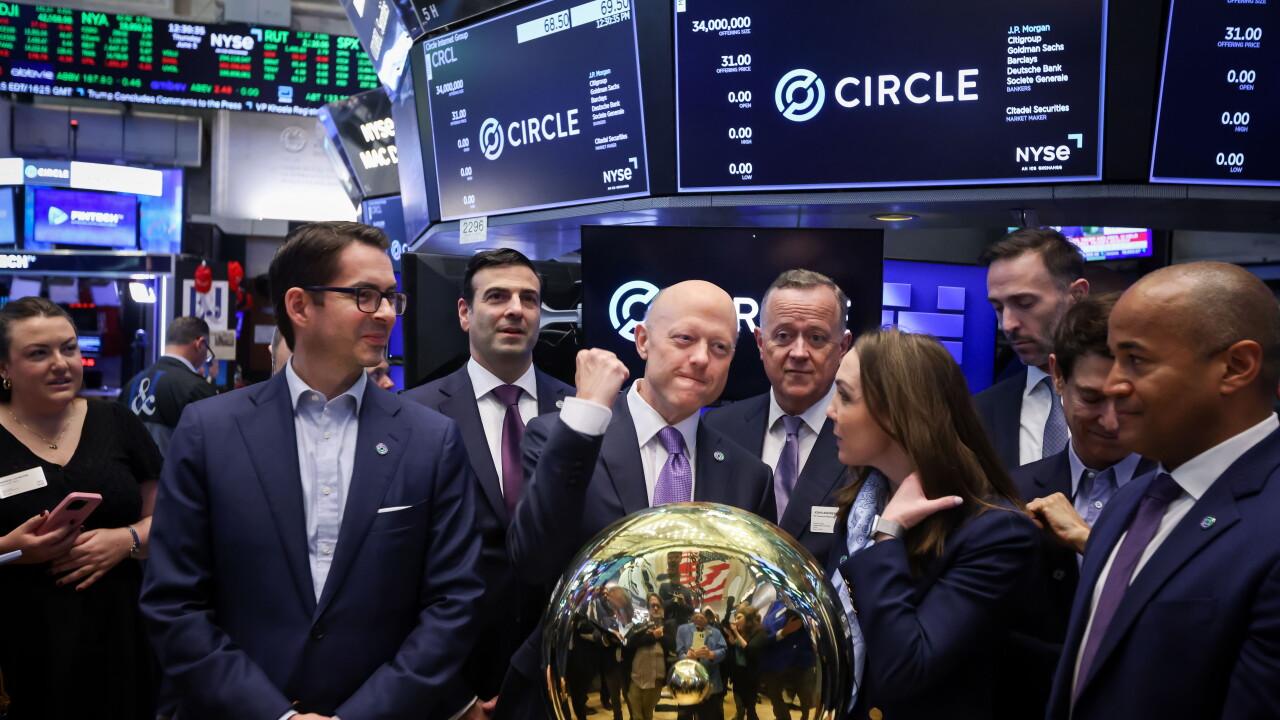
-
The latest in a new breed of bank competitors is Zaria, a servicer of traditional and digital asset-backed loans for institutions, which has requested a national trust bank charter from the OCC.
August 5
-
The neobank is the latest fintech to file a de novo trust bank charter application ahead of the GENIUS Act formally taking effect.
August 3
-
The parent company behind Flex Rent submitted applications to state and federal regulators for an industrial loan charter and deposit insurance.
July 27
-
The OCC conditionally approved the lender's de novo application. Upstart Bank's proposed CEO spoke with American Banker about the review process.
July 24
-
The regulator cited anti-money-laundering deficiencies in its decision, signaling the government is keeping a close eye on the issue even in a broader deregulatory environment. That means fintechs will be recruiting compliance experts from banks.
 July 24
-
The company, which has conditional approval for a bank charter, hit a $1 billion valuation with fintech exec backing from firms such as Nubank and Revolut.
July 23
-
The stablecoin issuer has received final approval from the federal agency to open a trust bank division for custody of digital assets.
July 10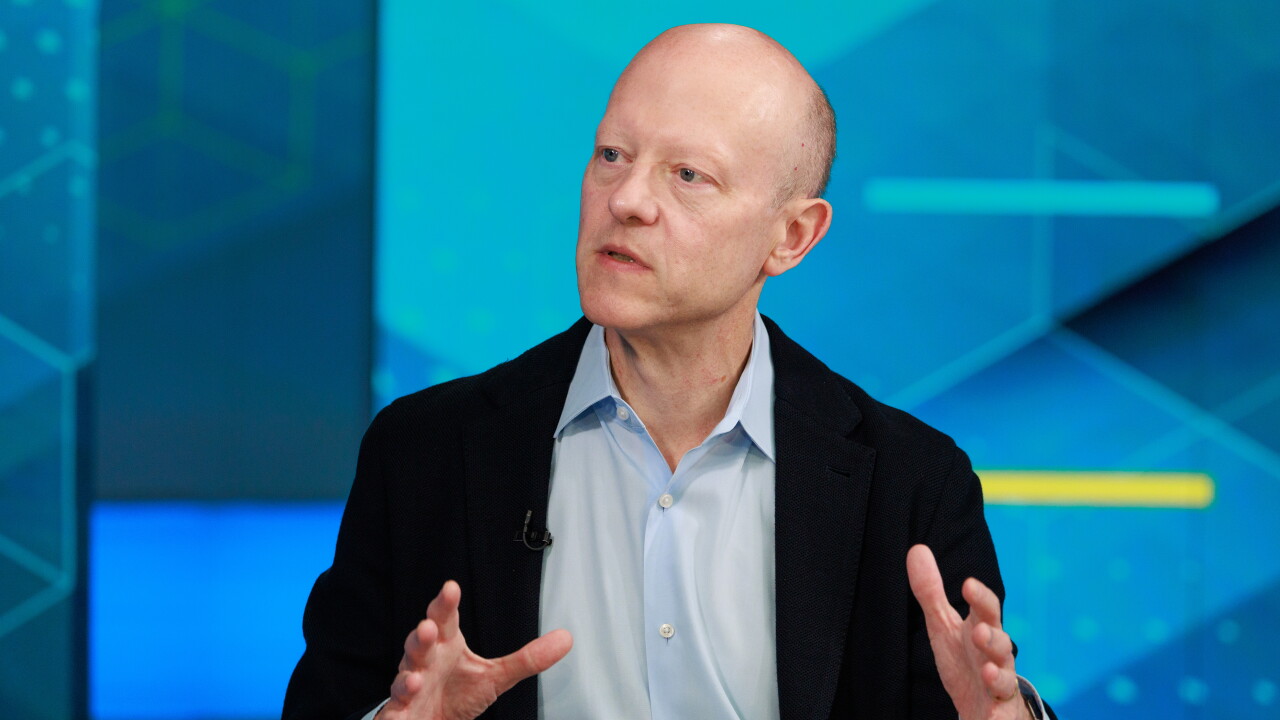
-
Sony Bank received conditional approval from the OCC to launch a national trust bank subsidiary called Connectia for making its own dollar-backed stablecoins.
July 8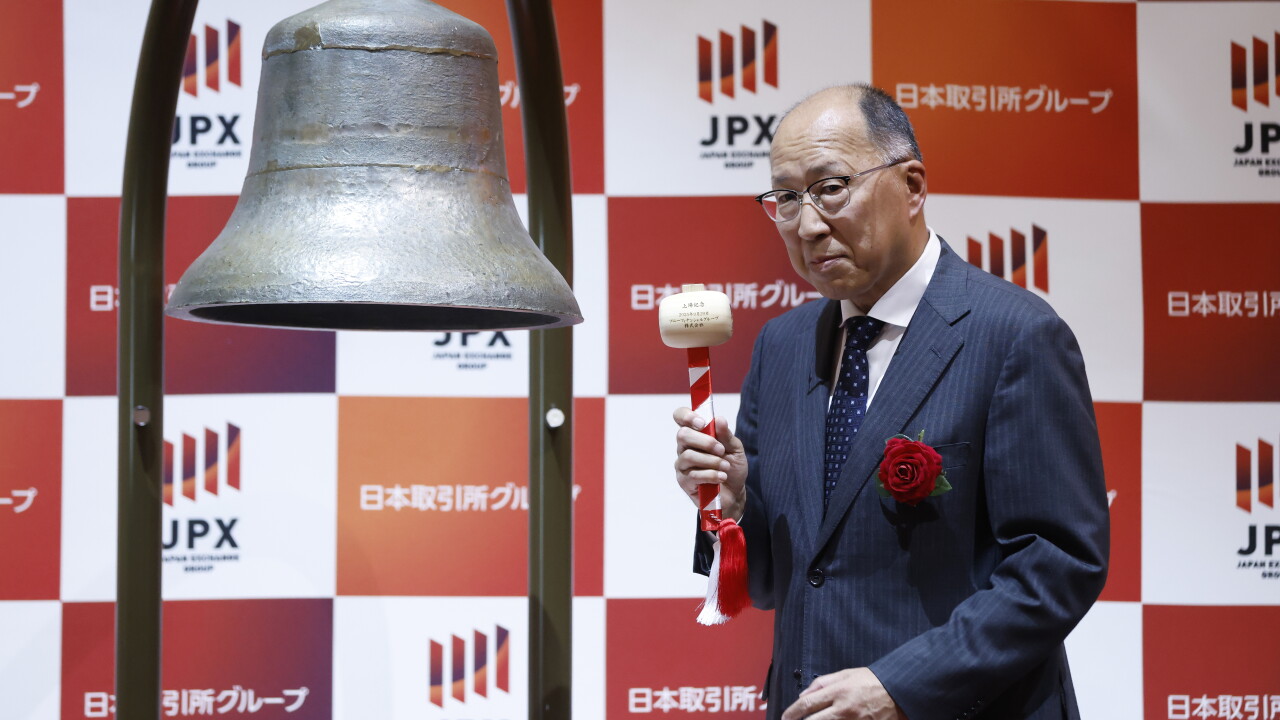
-
The fintech sponsor bank plans to offer digital asset services.
July 2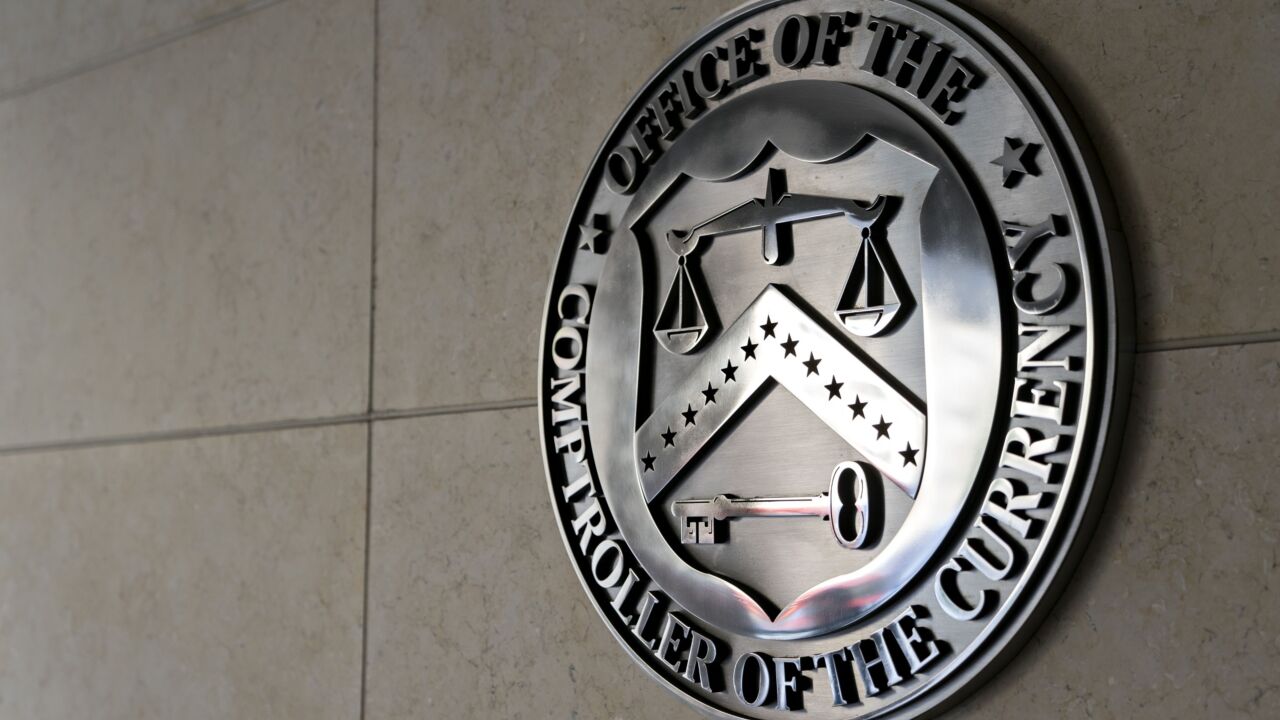
-
The wealth management firm received its conditional approval from the OCC as it seeks to manage custody of digital asset investments for its clients.
June 25
-
The fintech's recently installed U.S. CEO said at American Banker's Digital Banking conference that Revolut's goal is to become "the first truly global bank."
June 16


