-
Credit Acceptance Corp. has agreed to provide $710 million in restitution and debt relief to resolve allegations of predatory lending by 41 state attorneys general.
 September 17
-
State agencies supervise about 79% of U.S. banks. Their umbrella group just published the questions, documents and risk tiers examiners may use.
 September 16
-
Sen. Elizabeth Warren sent a request for information to the National Association of Insurance Commissioners about state regulators' efforts to address private equity ownership of life insurance companies.
September 14
-
Regulators want firms to spot where several critical functions ride on one provider, a question the department's earlier vendor guidance did not ask.
September 11
-
Colorado's Attorney General Phil Weiser is suing direct-to-consumer earned wage access provider EarnIn, alleging that the company violated the state's lending laws and challenging its claim that its product is nonrecourse. It is a sign of regulators' continued interest in EWA.
 September 3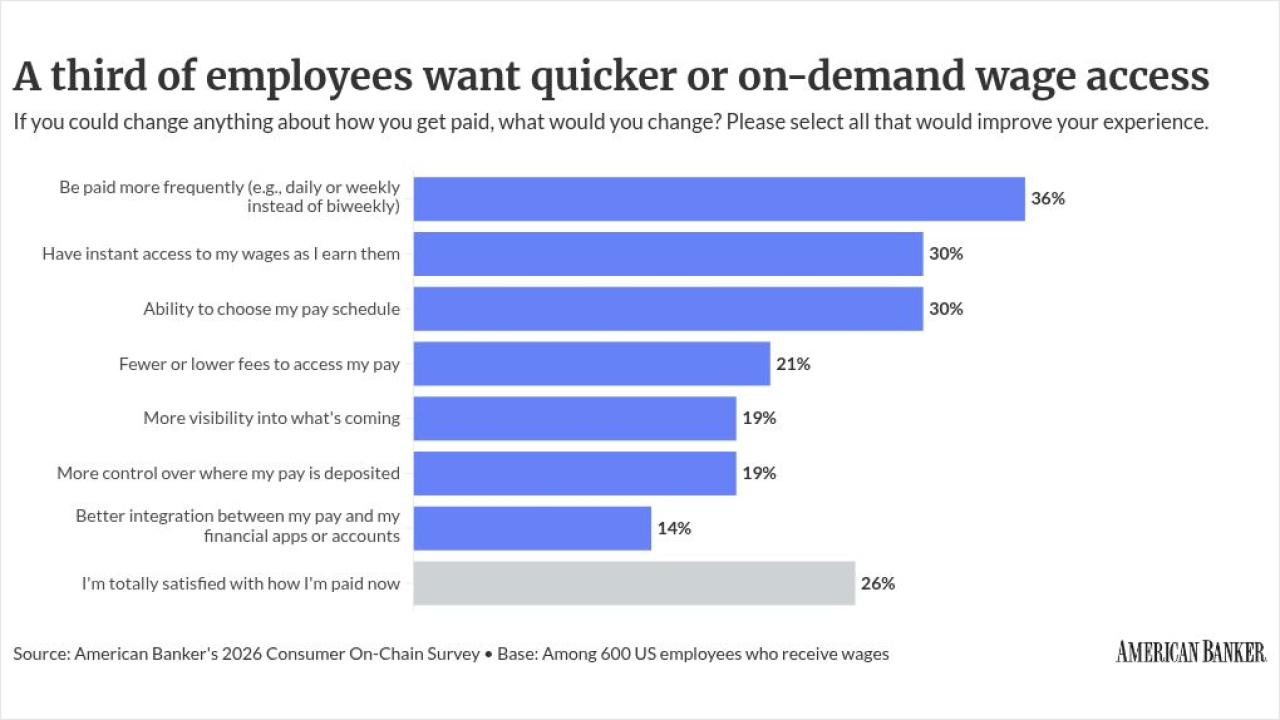
-
State races — including governorships and attorney general contests — are more important for the banking industry as more states pick up consumer enforcement slack and pass aggressive legislation on fees.
 August 28
-
During a court hearing Tuesday, appellate judges expressed skepticism about a Colorado effort to cap the rates on consumer loans that out-of-state banks make to Coloradans.
August 18
-
The 10th Circuit Court of Appeals is reviewing a challenge to Colorado's effort to exercise more power over the interest rates charged to its residents.
August 18
-
The New York State Department of Financial Services warned banks about a security vulnerability in IT software. Now it's acknowledged some companies it oversees were affected by it.
August 17
-
Many banks can't say what software their IT provider runs. Only 58% of community and midsize banks even hold the right to audit that vendor, a survey found.
August 13 -
The CFTC said it was using 'emergency' powers to keep the lights on at Kalshi after the New York Attorney General sued the sports-betting company.
 August 13
-
Christopher Peterson, a law professor at the University of Utah and former senior advisors at the Consumer Financial Protection Bureau, is the latest top hire for a Democratic state stepping up consumer protection.
July 28
-
A settlement with 46 states resolves allegations that Block's Cash App engaged in deceptive marketing and failed to maintain legally mandated fraud protections. The deal also requires Block to honor an agreement with the Consumer Financial Protection Bureau made in the final days of the Biden administration.
July 8
-
Speaking at the New York Federal Reserve's Innovation Conference on Friday, New York Department of Financial Services acting Superintendent Kaitlin Asrow said the regulator was interested in maintaining long-standing consumer protections as AI adoption increases.
June 26
-
The state would join New York in governing the up-and-coming credit product. Industry and consumer advocacy groups say there's still room for improvement.
June 17
-
Retailers say the Office of the Comptroller of the Currency's move to preempt an Illinois law undermines states' powers to curb interchange fees charged in their jurisdictions and perpetuates a system that raises costs for businesses and consumers.
 May 29
-
The National Credit Union Administration Tuesday submitted a rule to the Office of Management and Budget stating that federal law preempts state laws on interchange, blocking an Illinois statute banning the collection of swipe fees on taxes and tips.
 May 19
-
The Consumer Financial Protection Bureau has finalized changes to Regulation B, which implements the Equal Credit Opportunity Act, to eliminate any liability for indirect discrimination by lenders. The change represents a major shift in how the agency polices lending discrimination.
April 22
-
Banks are pushing back on the Consumer Financial Protection Bureau's draft of a five-year strategic plan, which includes a notable pullback from supervising nonbanks.
April 20
-
Critics say more regs for BNPL are overkill, but proponents hope the state rule will be a framework for other states.
February 23


