-
The economic contraction caused by the coronavirus pandemic has been worse than the Wall Street firm had modeled two months ago, its president John Waldron said Wednesday.
 May 27
-
The Toronto company also said it set aside 232 million this year for U.S. regulatory probes into the bank’s metals-trading practices and costs tied to the wind-down of that business.
May 26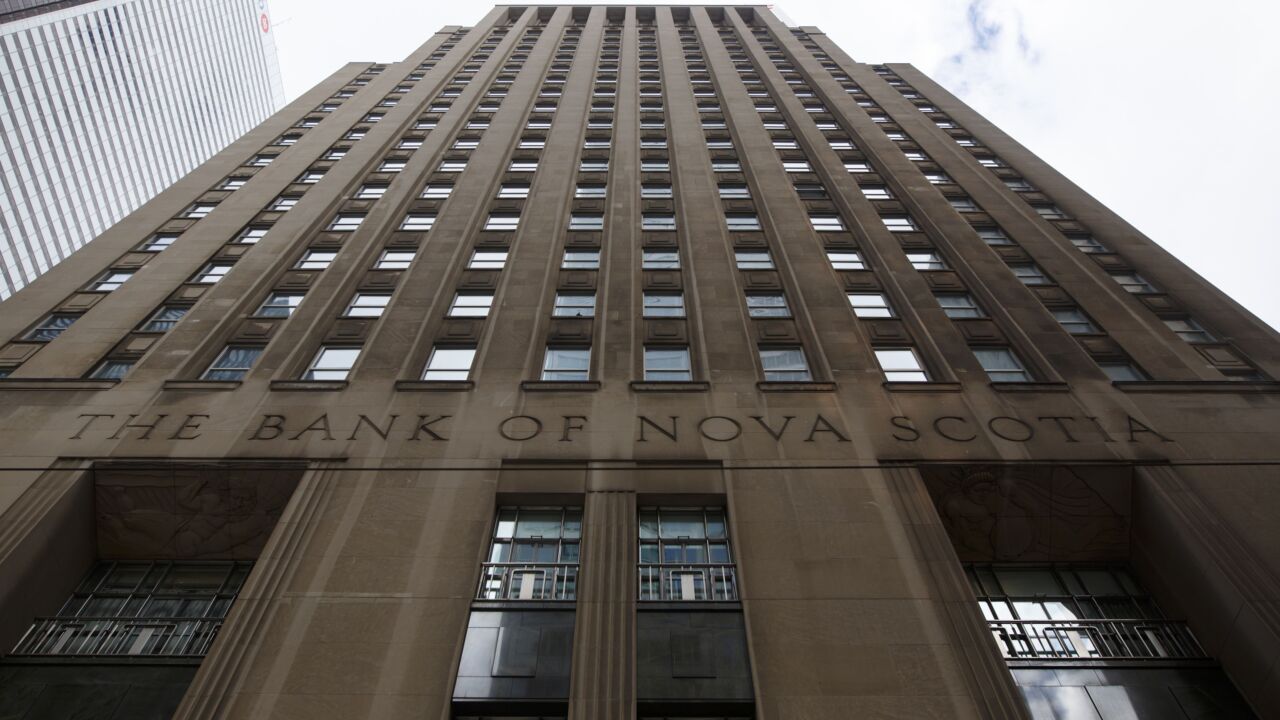
-
The second-quarter jump in provisions may be three to four times higher than a year earlier and will be mostly for loans that have yet to go bad, analysts said.
May 22
-
The Pittsburgh company’s sale of its stake in the asset manager yielded billions of dollars that could cushion the pandemic’s economic blow and eventually help fund a big acquisition.
 May 15
-
Lenders are throwing money at buyers with stable jobs while making it harder for weak borrowers to get loans; $50 billion in loss provisions may not be enough and could stifle lending.
May 4
-
The millions of dollars earned from Paycheck Protection Program transactions will help cover rising provision costs tied to the new CECL accounting standard and coronavirus shocks to loan books.
April 30
-
Rodney Hood, chairman of the National Credit Union Administration, told the Financial Accounting Standards Board that complying with the Current Expected Credit Losses standard could adversely impact the industry's net worth.
 April 30
-
The two lenders are being more aggressive than other European banks in putting a price on the economic devastation caused by the coronavirus outbreak.
April 28
-
Banks would have drowned if lawmakers hadn't delayed the new accounting standard during the coronavirus pandemic.
April 24
-
The largest credit union in the world increased its provision by 28% from a year earlier.
April 22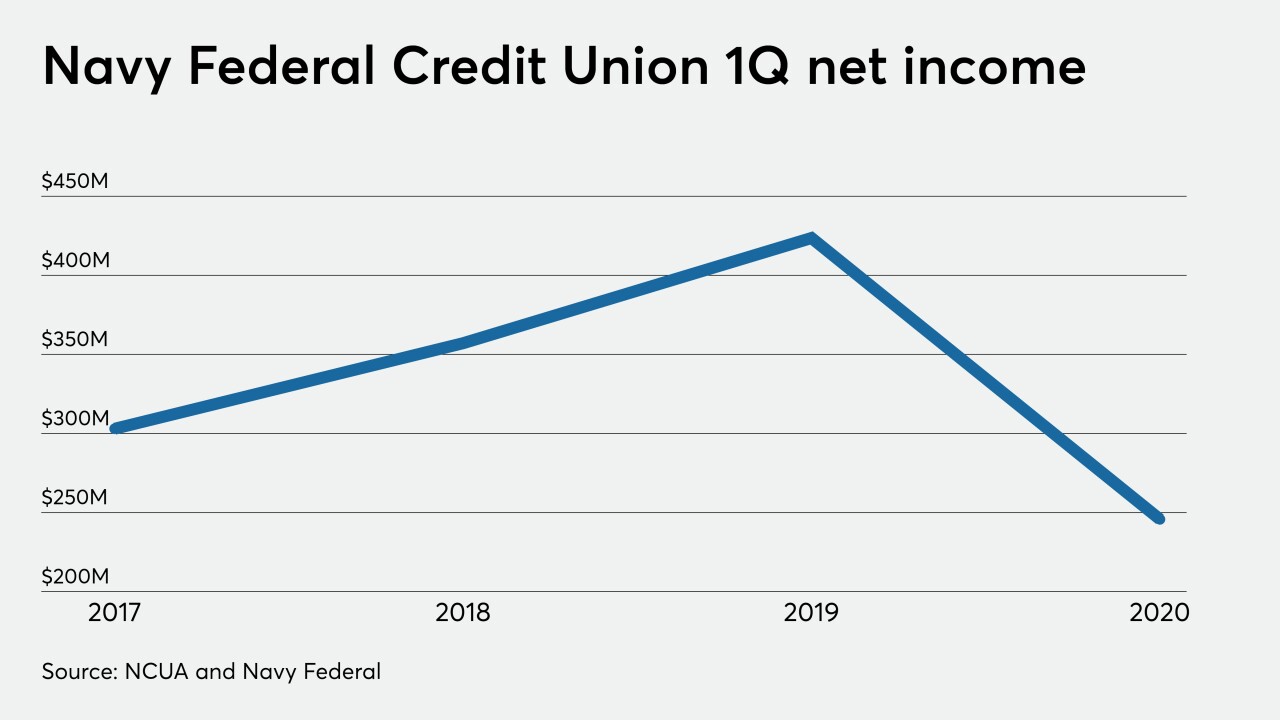
-
Smaller institutions should prepare themselves for some of what the competition has experienced, including increased provisions for losses and declining net interest margins.
April 20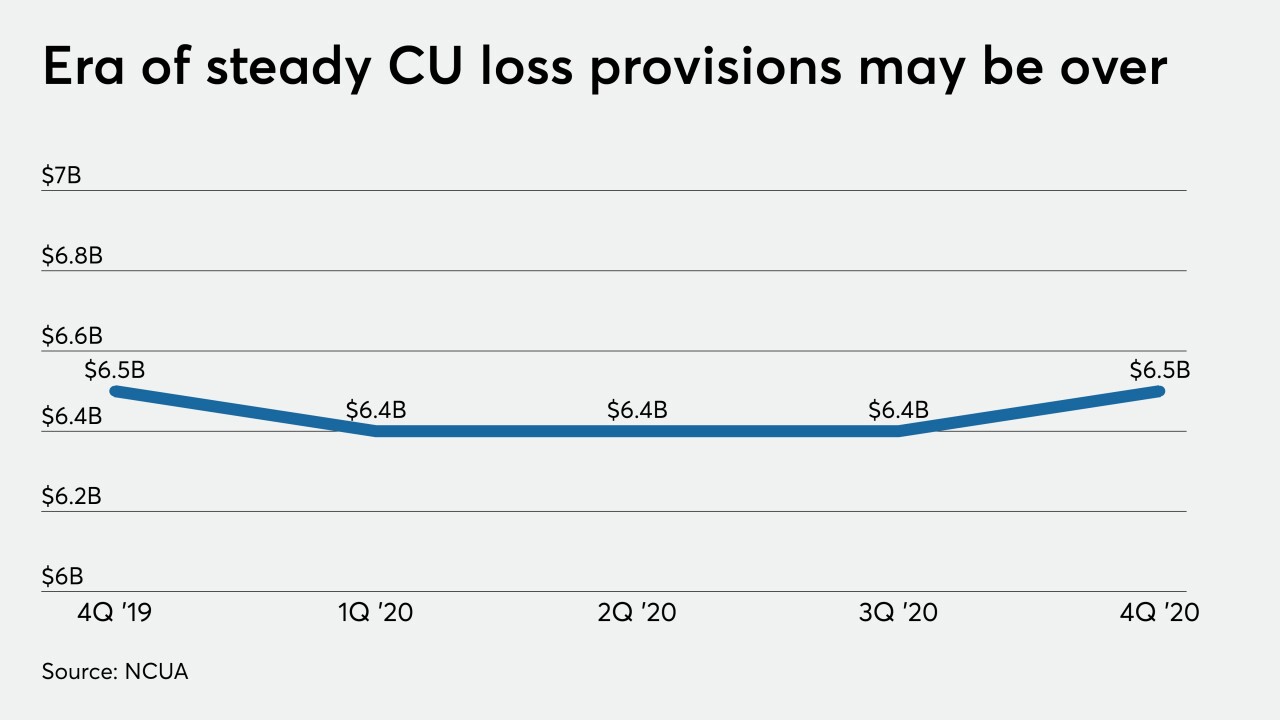
-
Though hopeful for a second-half bounceback in the economy, JPMorgan Chase is prepared for 20% unemployment, lackluster GDP and losses in its loan portfolio that could reach tens of billions of dollars.
April 14
-
An uptick in closings is likely, but how many institutions go under and how fast will depend on a variety of factors, including the duration of the pandemic.
March 26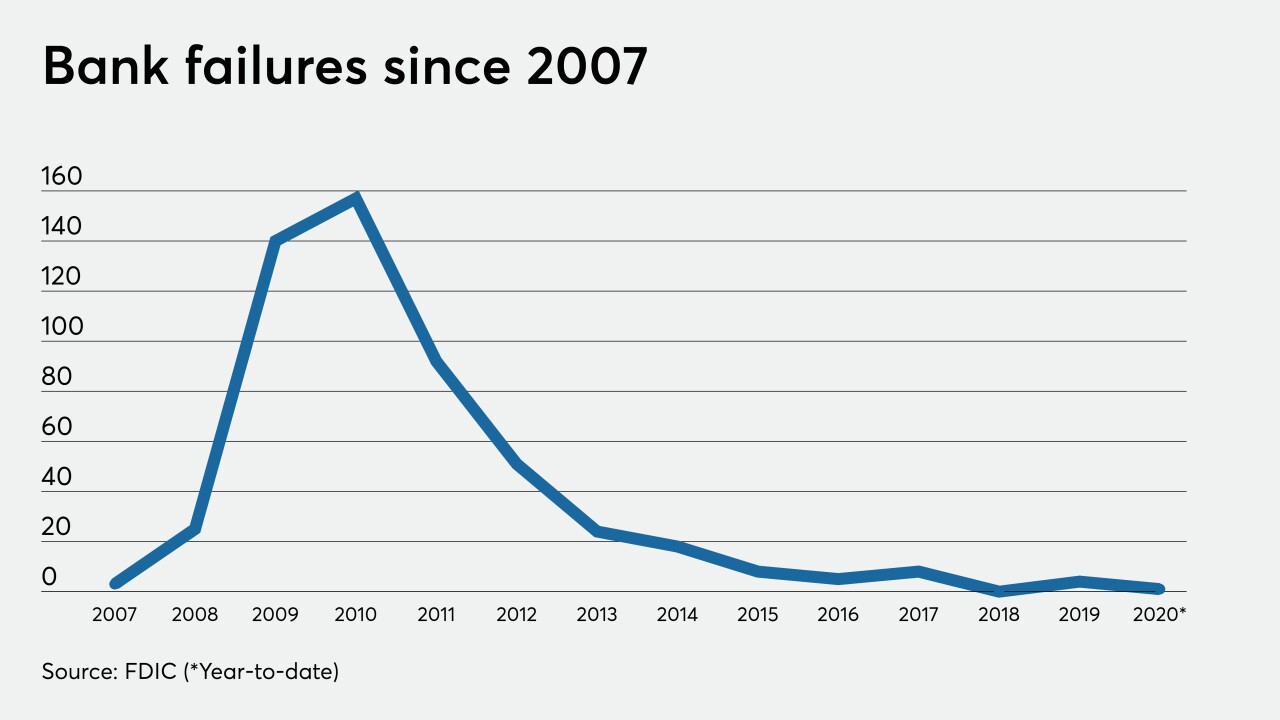
-
The country's top six banks were sideswiped by rising provisions for soured loans and slumping capital markets.
December 5
-
The Las Vegas-based institution reported that its net interest margin rose during the third quarter of 2019 as consumer loan balances increased.
November 1
-
Shares in the lender fell after it reported lower third-quarter profits, said nonperforming assets rose and cautioned that it had lost multifamily loan deals to competitors offering easier terms.
October 30
-
The four prudential agencies, which will enforce the new credit loss methodology developed by the Financial Accounting Standards Board, said they want to promote consistency.
October 17
-
FASB delayed implementation for the majority of banks and credit unions until 2023, but many in the industry still oppose the rule, despite regulators' attempts to ease the path forward.
 October 17
-
The banking industry will continue its fight against the credit-loss rule; the bank posted gains in consumer, wealth management and commercial lending.
October 17
-
The accounting board delayed implementation for the majority of banks and credit unions until 2023.
October 16


