-
This is the first year that only the largest and most complex banks will be included after the Federal Reserve decided to let smaller firms wait until next year to resume testing.
May 31
-
Former Federal Reserve Gov. Daniel Tarullo warned that a Fed proposal to weaken the stress capital buffer, among other things, could hurt safety and soundness.
 May 21
-
The central bank said that while financial markets' desire for higher yields raises the potential for losses, capital and liquidity safeguards temper any concerns about a looming crash.
May 7
-
As the central bank board proceeds with reforms easing the post-crisis regulatory regime, the Obama-appointed governor has not shied from opposing the agency’s course.
May 5
-
The NCUA is letting Union Yes in California raise capital by turning to temporary funding sources, which banks have complained is an example of the regulator's overreach.
 April 29
-
The NCUA is letting Union Yes in California raise capital by turning to temporary funding sources, which banks have complained is an example of the regulator's overreach.
April 29 -
Following the Federal Reserve Board, the FDIC signed off on proposed measures to ease resolution planning requirements and tailor supervisory standards for foreign banking companies operating in the U.S.
 April 16
-
Regulators and lawmakers go to great lengths to avoid using the term for reforms in the Trump era, but its meaning is consistent with recent steps to revise and clarify the post-crisis regime.
April 11 American Banker
 -
Under the plan, large banks would have to hold additional capital if they purchase another bank's "loss-absorbing" debt that is used to contain fallout from a collapse.
 April 2
-
The Federal Housing Finance Agency is planning on finalizing its proposed capital requirements for the government-sponsored enterprises this summer, the agency's acting director said Wednesday.
March 28
-
Community bankers and state regulators want the FDIC and other agencies to rethink their approach to a simplified capital ratio for smaller institutions.
March 14
-
The Federal Reserve voted Wednesday to keep the countercyclical capital buffer at its current level of zero, ending some speculation that the board could be looking at a possible increase.
March 6
-
The central bank is limiting the use of its qualitative objection in this year’s stress tests, the agency announced Wednesday.
March 6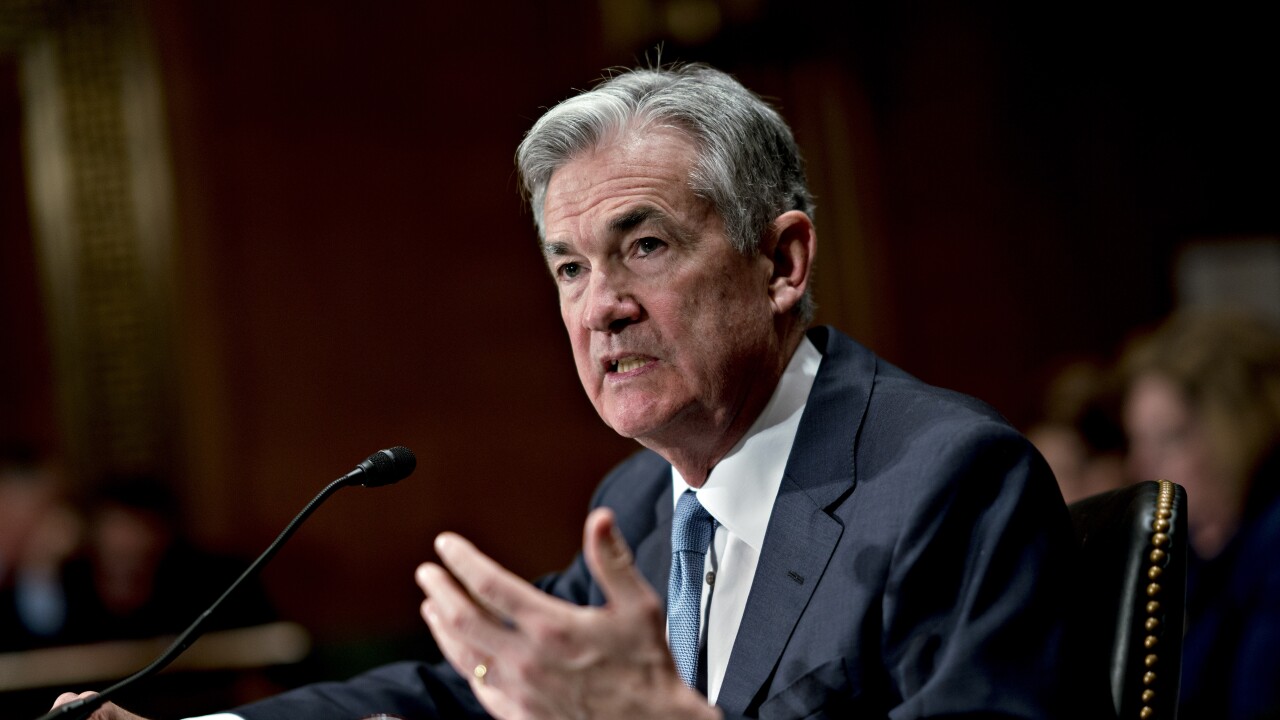
-
The Federal Reserve said it wants to discourage banks from using returns on Fed account balances as a business model.
March 6
-
Addressing lawmakers for the second straight day, the Fed chairman defended his agency’s refinements to the post-crisis regime.
February 27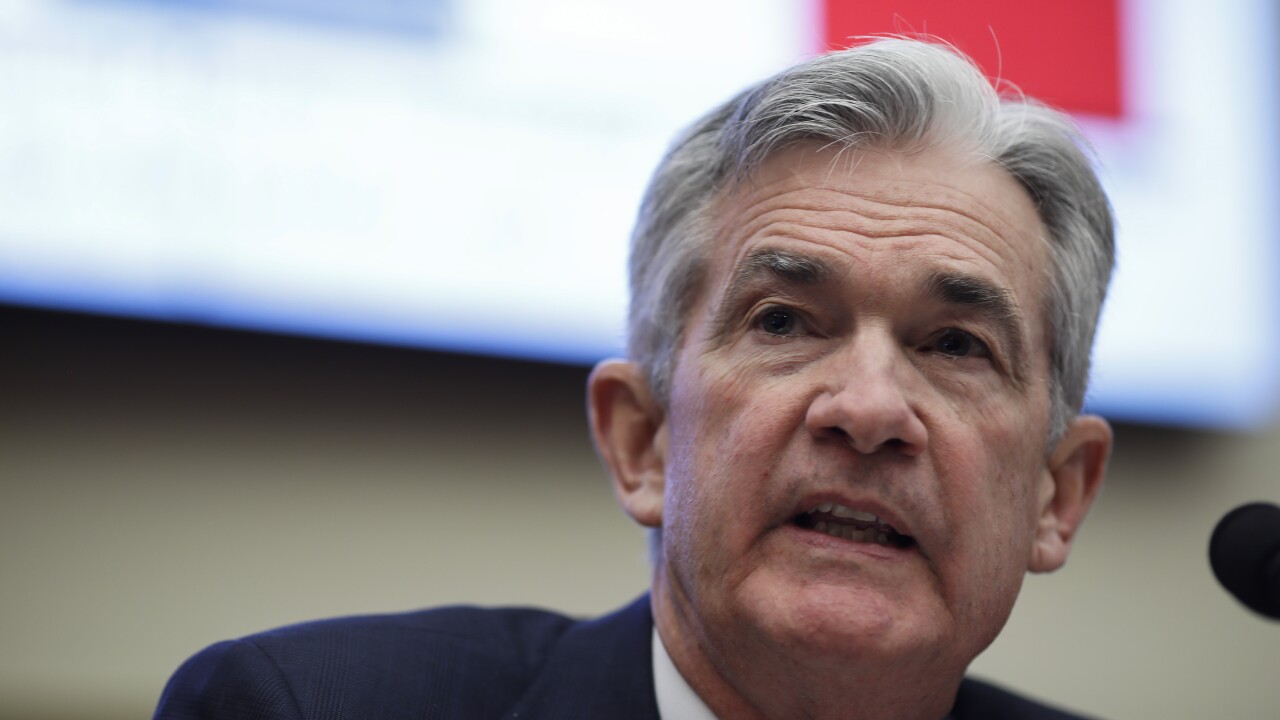
-
The Federal Reserve’s top regulator, who assumed the chairmanship of the international board in November, said the FSB should explain the rationale behind its financial benchmarks while establishing new ones to combat emerging threats.
February 11
-
The combined bank will move into a more demanding supervisory class under the Fed’s regime, but analysts also see a regulatory upside from the deal.
February 7
-
The central bank has drawn mixed reviews for new stress test scenarios and changes to how much banks know about the test beforehand. Its top regulatory official says the enhancements help the post-crisis regime evolve.
February 7
-
The exemption was included in a suite of other changes unveiled to provide greater transparency to the Fed's stress testing regime.
February 5
-
Banks say regulatory relief efforts should go even further, while public interest groups — and even one of the Fed’s regional offices — say the proposals to roll back supervisory standards go too far.
January 29


