
Regulation and compliance
Regulation


-

At a preliminary injunction hearing seeking to determine whether two sidelined appointees are shielded by removal protections, a federal judge pressed both sides on whether the independent credit union agency exercises executive power.
June 13 -

As the crypto-friendly GENIUS Act winds its way through Congress, executives at some of the nation's largest banks are showing a newfound enthusiasm for stablecoins.
June 12 -

The Texas senator pitched Republican senators on ending the Federal Reserve's authority to pay interest to banks, claiming it would save $1.1 trillion over a decade.
June 12 -

As they rewrite the strategy document that guides their interest-rate decisions, Federal Reserve officials are trying to figure out how to embrace the labor market lessons learned before and during the pandemic.
June 12 -

The past two Federal Reserve vice chairs for supervision failed to implement the final installment of the Basel III capital framework. Newly installed Vice Chair for Supervision Michelle Bowman is taking a new approach to the thorny question of bank capital.
June 11 -

The HUMPS Act, pending in Congress, would take necessary steps to begin putting some guardrails around regulators' assessment of the quality of banks' "management."
June 11 -

The Trump administration's plan to fire 90% of the staff at the Consumer Financial Protection Bureau has raised constitutional questions about whether courts can decide whether a president is taking "care that the Laws be faithfully executed."
June 11 -

The JPMorgan Chase CEO also sounded off on regulatory requirements, expressing optimism that capital rules will be scaled back.
June 10 -

Shelia Bair, who chaired the Federal Deposit Insurance Corp. from 2006 to 2011, said that while post-crisis reforms may have overregulated banks, the current deregulatory swing could undermine important protections and lead to another banking crisis.
June 10 -

Cara Petersen, the Consumer Financial Protection Bureau's top enforcement official, said the Trump administration has "no intention to enforce the law in any meaningful way."
June 10 -

Regulators' decision to lift a seven-year-old cap on the size of the megabank's balance sheet will produce benefits over the long haul, but it won't result in any sudden gains, according to CFO Michael Santomassimo.
June 10 -

The New York City-based specialty finance company must pay $3 million as part of a settlement with the SEC for allegedly inflating its stock price. Its president must pay a separate $1 million fine.
June 9 -

A coalition of trade groups urges federal agencies to match private-sector cybersecurity standards.
June 9 -

Michelle Bowman has officially taken the reins as the Federal Reserve's top regulatory official, giving her the ability to advance policy proposals.
June 9 -

Acting Comptroller of the Currency Rodney Hood responded to a letter from the Conference of State Bank Supervisors regarding federal preemption of state banking laws by saying that the agency's standards comply with the law, court precedent and White House policy.
June 9 -

The Federal Deposit Insurance Corp. has sent a draft proposal to revise the supplemental leverage ratio to the Office of Information and Regulatory Affairs as a first step toward revising the leverage rule.
June 9 -
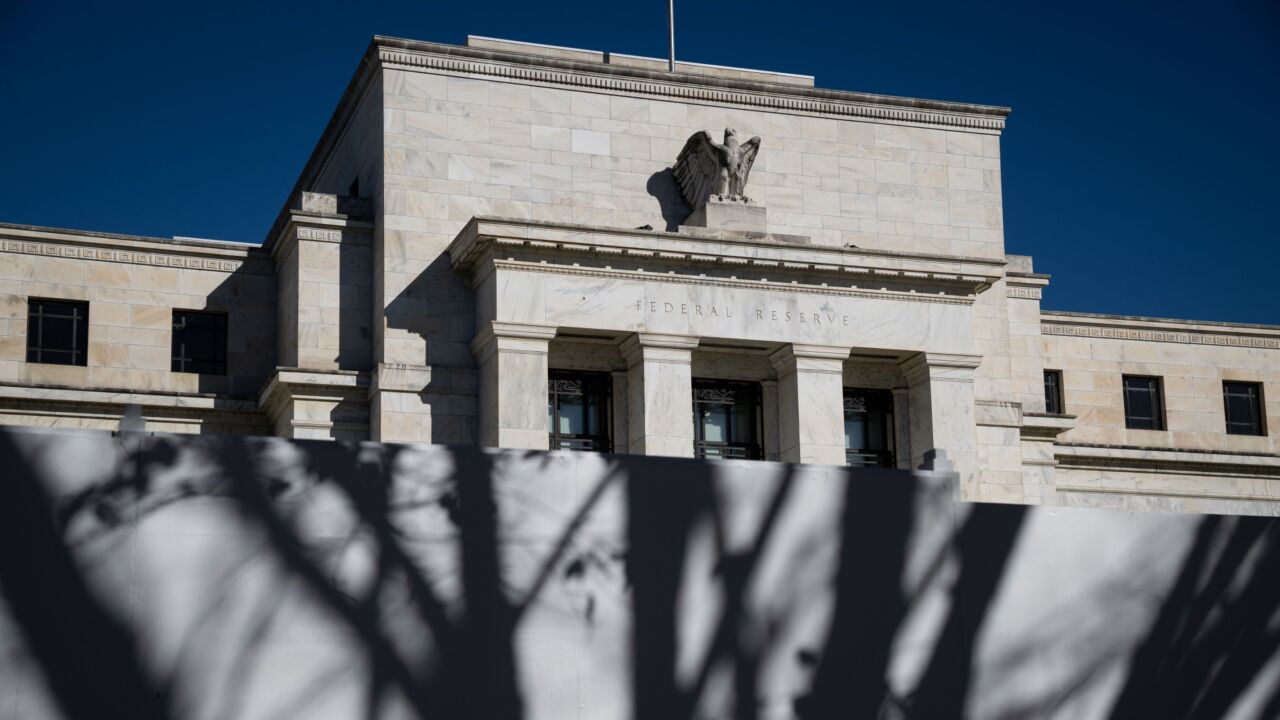
Trump's bank regulatory team is advancing all types of wish-list reforms, some more radical than others. When, not if, the political winds change, banks should be ready for a sharp reversal, what could become a wave of "revenge regulations."
June 9 -

Congressional Democrats offered a bill Friday requiring the Treasury Department to apply the anti-money-laundering requirements of the Corporate Transparency Act more fully and help educate small businesses on how to comply with reporting of beneficial ownership information.
June 6 -
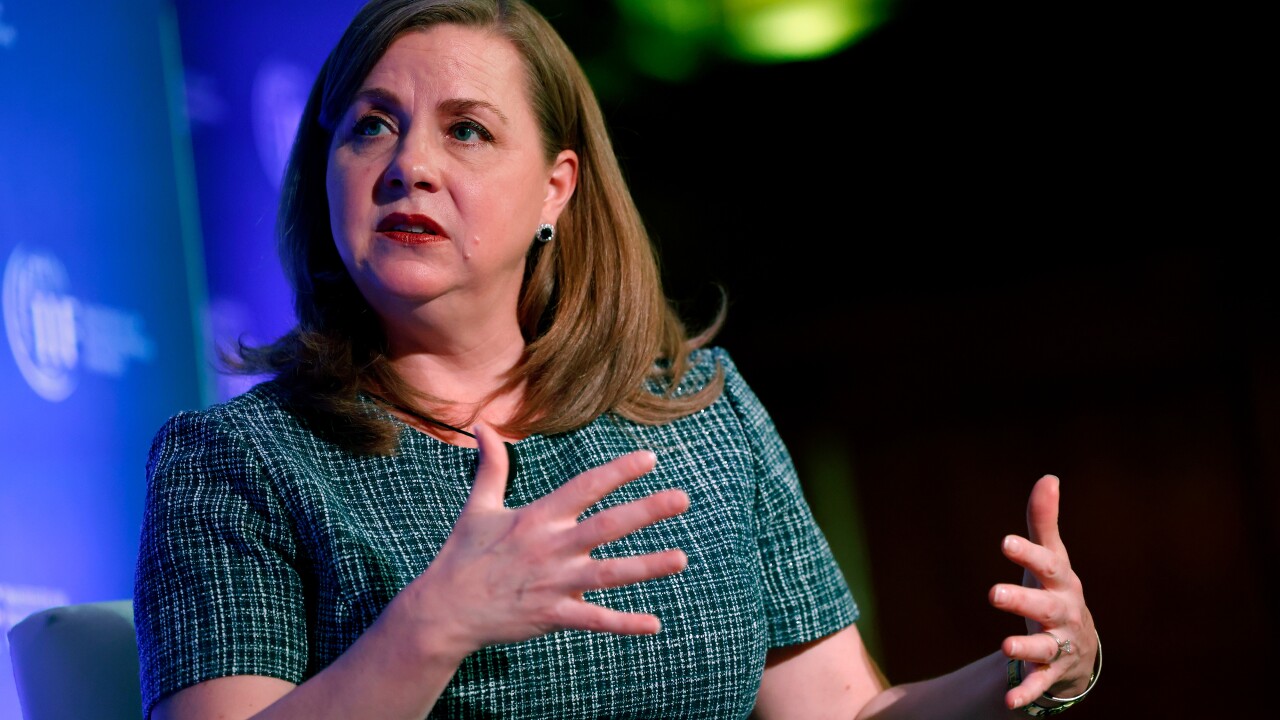
In her first speech since being confirmed as the Federal Reserve's vice chair for supervision, Michelle Bowman outlined a set of ambitious pursuits that would overhaul bank regulation and examination.
June 6 -

The government should allow and encourage financial institutions to deploy advanced technologies to protect customers from fraud enabled by agentic AI, instead of punishing them for innovating in response to new threats.
June 6


