-
The Financial Crimes Enforcement Network is charged with protecting the U.S. financial system, but its failure to implement a whistleblower program authorized in 2022 leaves the agency unable to capitalize on a key source of intelligence.
March 20
-
Royal Bank of Canada is rolling out AI across its businesses in an effort to become more efficient and generate more revenues. The Toronto-based bank recently created an internal AI accelerator that directly reports to CEO Dave McKay.
 March 19
-
U.S. Bank's merchant acquiring group this week named Wally Mlynarski — formerly of Bank of America and a former executive at Evalon — to the top job as AI sweeps over the industry and with fintechs and traditional rivals ready to pounce.
 March 19
-
The Federal Deposit Insurance Corp. rolled back a 2009 policy that banned nonbanks from buying failed banks, a move the agency says aims to widen the bidder pool and cut failure costs.
 March 19
-
The SEC is reportedly preparing a proposal that would give banks and other companies the option to report their earnings every six months, adding urgency to a long-running debate over how firms communicate with investors.
 March 19
-
Federal Reserve Chair Jerome Powell, in a post-FOMC meeting Wednesday, said he intends to stay at his post until a successor has been confirmed, adding that he will remain on the Fed board until a Justice Department investigation into him is concluded.
 March 18
-
Fannie Mae and Freddie Mac's single-family updates include some roof coverage options somewhat similar to what's used in one of their other divisions.
 March 18
-
Federal Deposit Insurance Corp. Chair Travis Hill said in remarks Wednesday that privacy and know-your-customer gaps remain for banks that work with public, permissionless blockchains, and that the agency may need to clarify how banks can interact with them.
March 18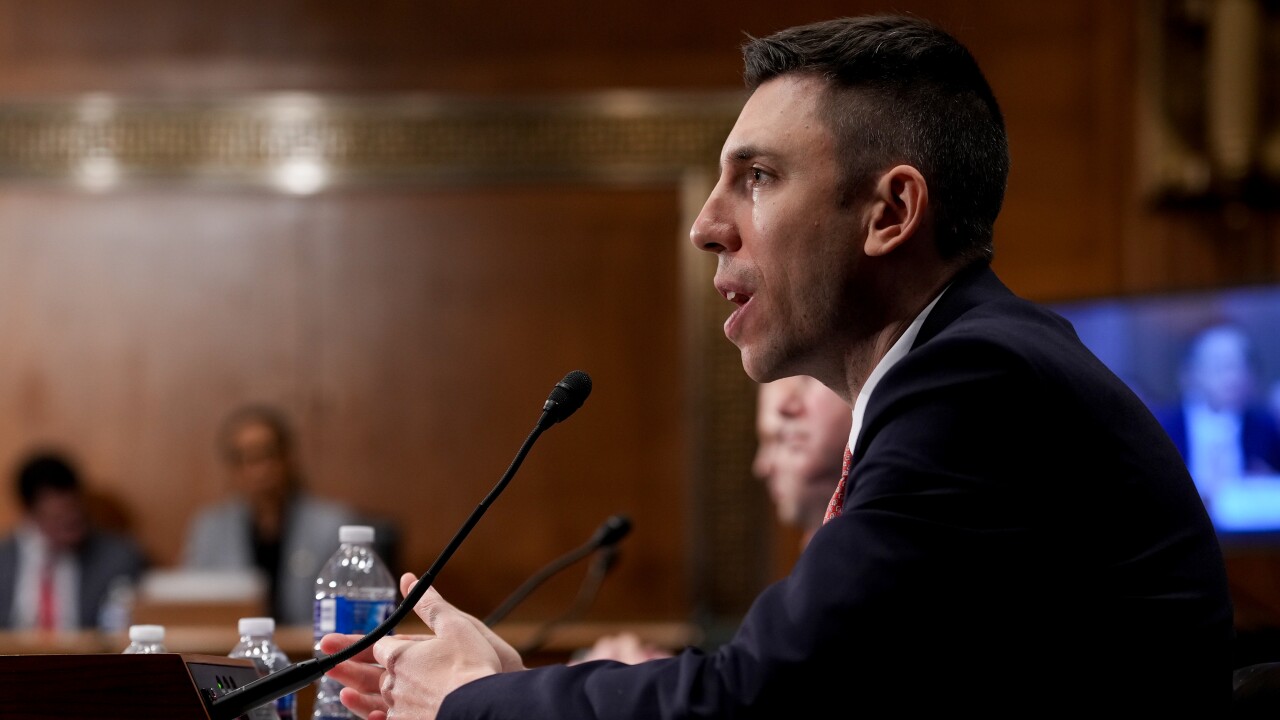
-
The 2023 takeover of Credit Suisse boosted UBS's size but also saddled it with the challenge of integrating vast operations.
March 18
-
The Trump administration wants to reverse fair-lending laws; the Fed's rate setters will do exactly what they've already told everybody they're going to do.
March 18 American Banker
 -
The former Rocket employee said she faced pressure to resign after requesting remote-work accommodations and leaves of absence to deal with health conditions.
 March 18
-
In an interview at ICE Mortgage Technology's annual conference, Bob Broeksmit also expressed skepticism of market dominance among just a few large lenders.
March 17
-
The agency issued an advanced notice of proposed rulemaking for prediction markets shortly before Arizona filed criminal charges against Kalshi on Tuesday.
 March 17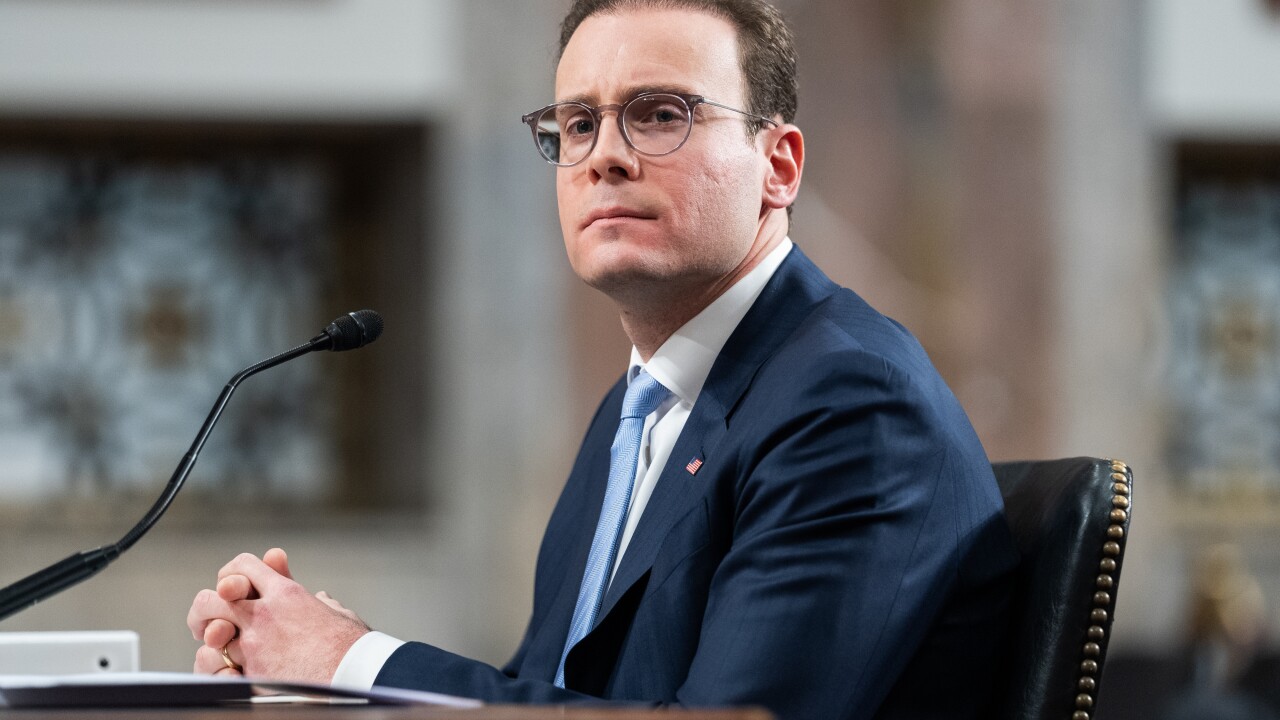
-
Three years after acquiring Bank of the West, BMO is preparing to open 130 branches in the Golden State, where it thinks it can achieve density and critical mass. The Toronto-based bank also plans to open 15 branches in Arizona.
March 17
-
A Federal Housing Finance Agency report suggests it should have more authority over companies that work with Fannie Mae and Freddie Mac.
March 17
-
BVNK's technology enables traditional currency and stablecoins to work together, and will enable the card network to improve distribution for clients that use digital assets.
March 17
-
The Federal Open Market Committee is widely expected to keep interest rates steady when it concludes its regular meeting tomorrow, but rising uncertainty about inflation in the wake of the Iran war is clouding the monetary policy outlook.
March 17
-
State attorneys general sued the Department of Housing and Urban Development as well as lender OneMain Financial; M&T Bank CEO Rene Jones talks about the changing nature of money, and the stone money of Yap.
March 17American Banker -
Federal Judge David Nye sides with a broker fired over five years ago for placing trades without first obtaining his client's permission.
 March 16
-
Darnell returns to Regions, after fintech-focused stints at Visa and a community bank acquired by Huntington, as the bank accelerates its branch opening plans.
March 16


