
-
One firm's inability to access bank data shows how fragile fintechs can be; payments processor Square quietly withdraws bank application; turnover of chief risk officers is on the rise; and more from this week's most-read stories.
July 6
-
A new malicious spam campaign that has been targeting Internet users in the U.K. serves as an important example of how banking malware targets business as well as home users.
July 6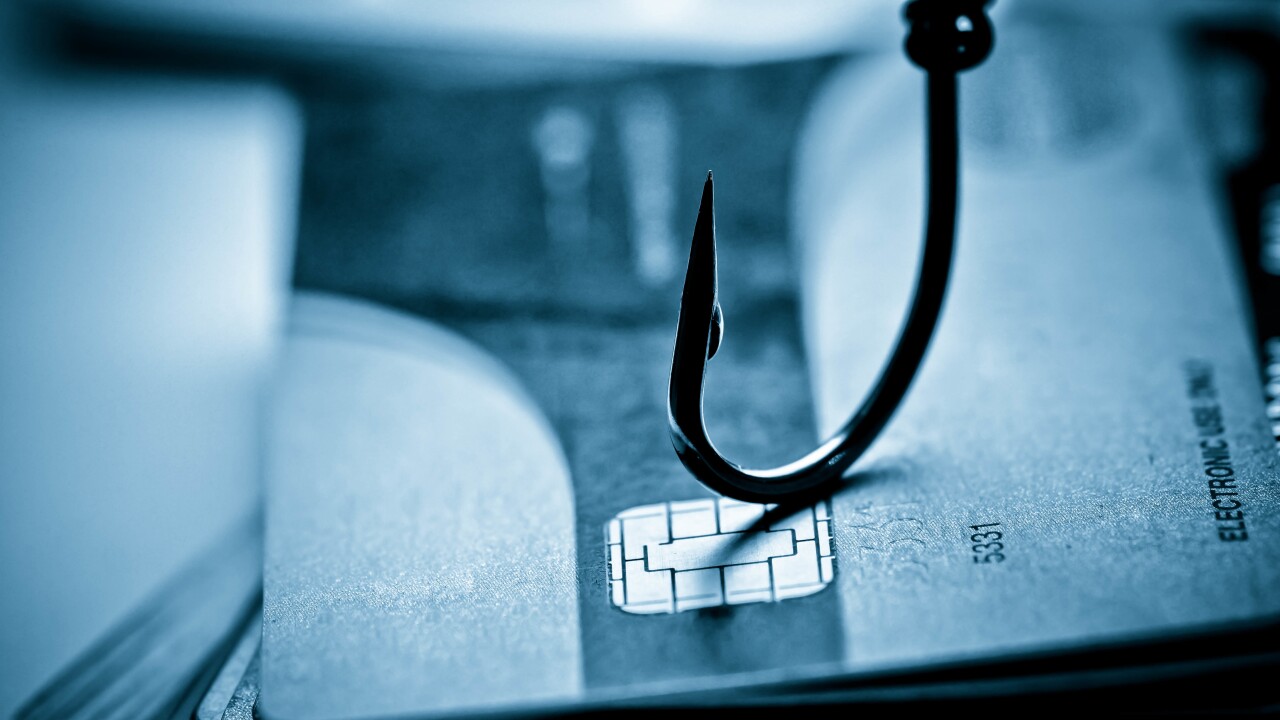
-
International banks are also having to adapt to a raft of regional payment and data regulations that impact their operations in certain territories significantly but in others only negligibly, according to Russell Bennett, chief technology officer of Fraedom.
July 6 Fraedom
 -
Readers weigh in on inequality in financial services, opine on falling bank reputations, chime in on the evolving role of the chief risk officer and more.
July 5
-
The GDPR doesn’t mandate how data requests should be made, but it does say that organizations handling personal data should be prepared to handle the requests. One would be right to wonder whether companies are as prepared as they should be.
July 5
-
This week's ruling from a U.K. appeals court is the latest of many episodes in a battle between merchants and card brands that has influenced regulations, technology, market strategies and nearly all other aspects of the payments ecosystem.
July 5
-
The Consumer Financial Protection Bureau's practice of "regulation by enforcement" and use of nonbinding guidance materials makes its regulatory efforts "unfair and ineffective" to lenders and servicers, the Mortgage Bankers Association said.
July 5
-
Whatever the reason that Plaid, a prominent data aggregator, can no longer access data from Capital One, the situation demonstrates how fragile fintechs are when they lose banking access.
July 5 BankThink
 -
A British appeals court ruled in favor of retailers including J Sainsbury Plc in a blow to credit card firms that could now face billions of pounds in damages.
July 5
-
Hotels have elaborate systems to capture lodging fees and other purchases charged to rooms, but when customers book special events such as weddings or conferences, payment security can be more of a problem.
July 3


