-
American Banker's digital asset index found growth in digital assets is outpacing stablecoins.
 August 13
-
It's not just about AI and the bank is not walking away from its green goals, Karen Fang, the initiative's leader, told American Banker.
 August 13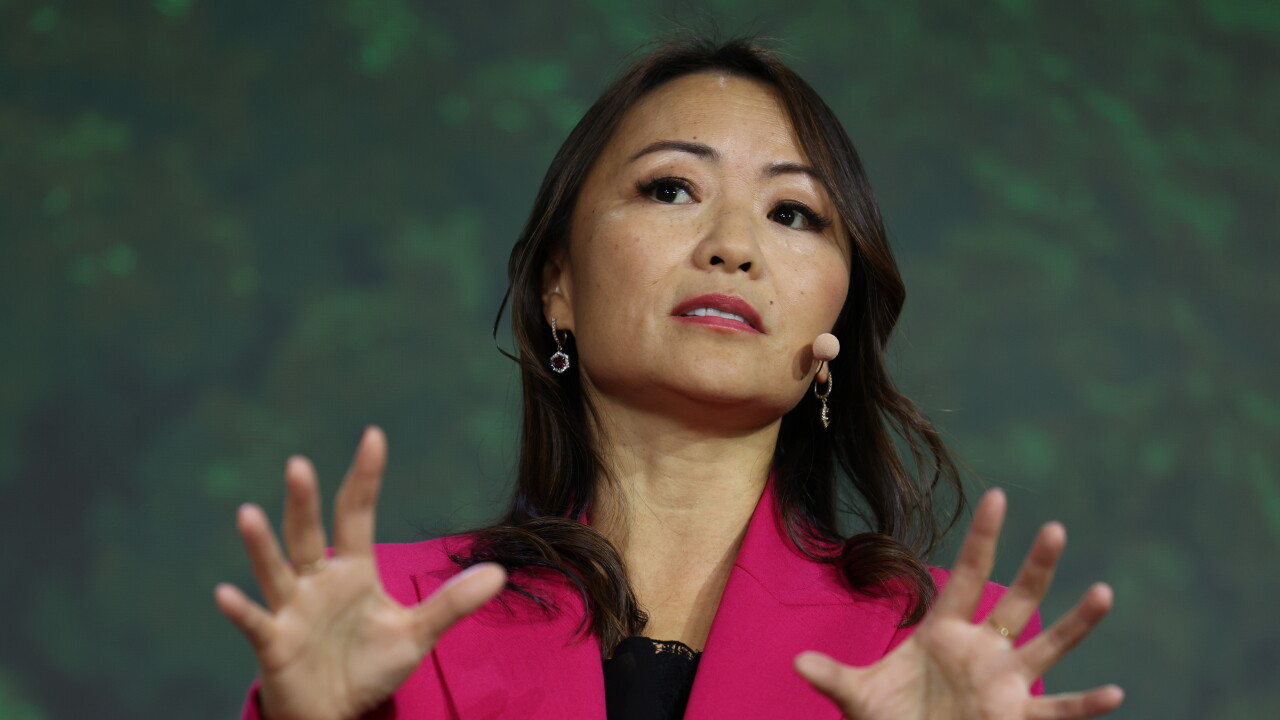
-
Altruist has earned legions of fans among financial advisors for sleek technology and low, clear fees. But its critics question whether that is enough to catch up to the giants that have dominated the business for decades.
 August 12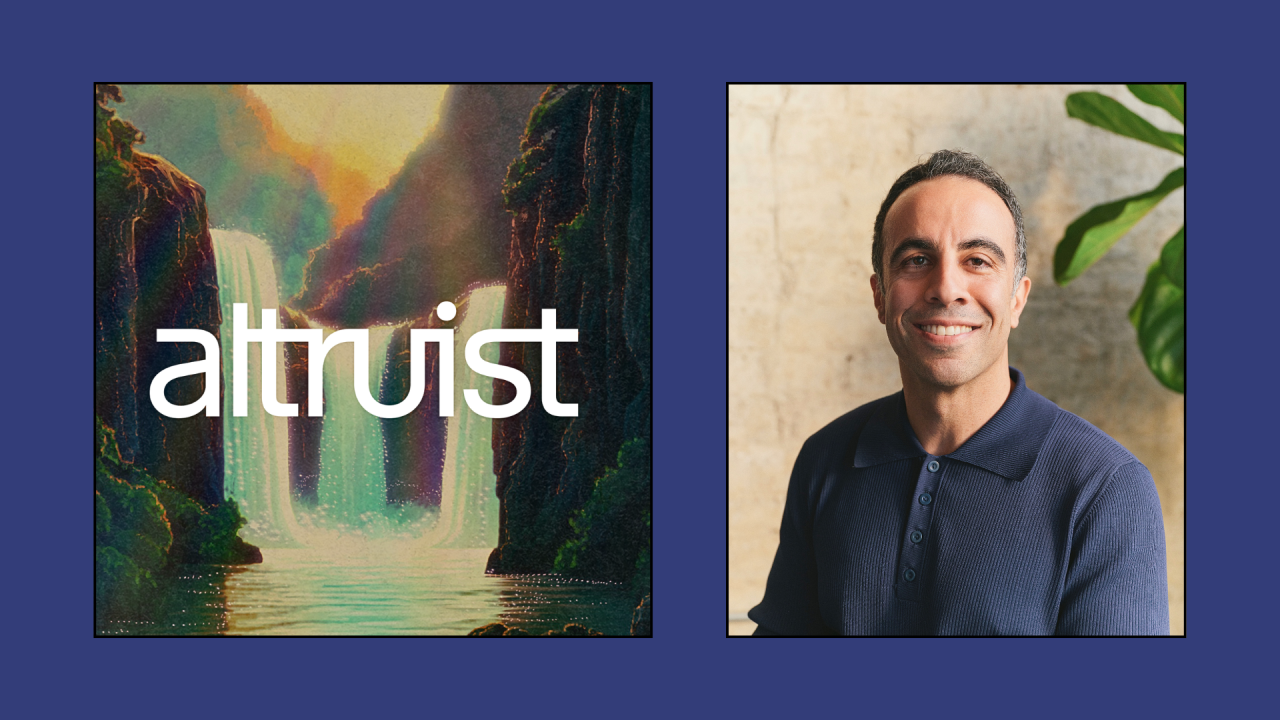
-
The company, which says it serves 93% of credit unions, expects most key processes to run by mid-August. Its status page still said "Investigating" Wednesday.
 August 12
-
This is the first in a three-part series on measuring AI impact. Subsequent pieces will explore related organizational and methodological challenges.
 August 12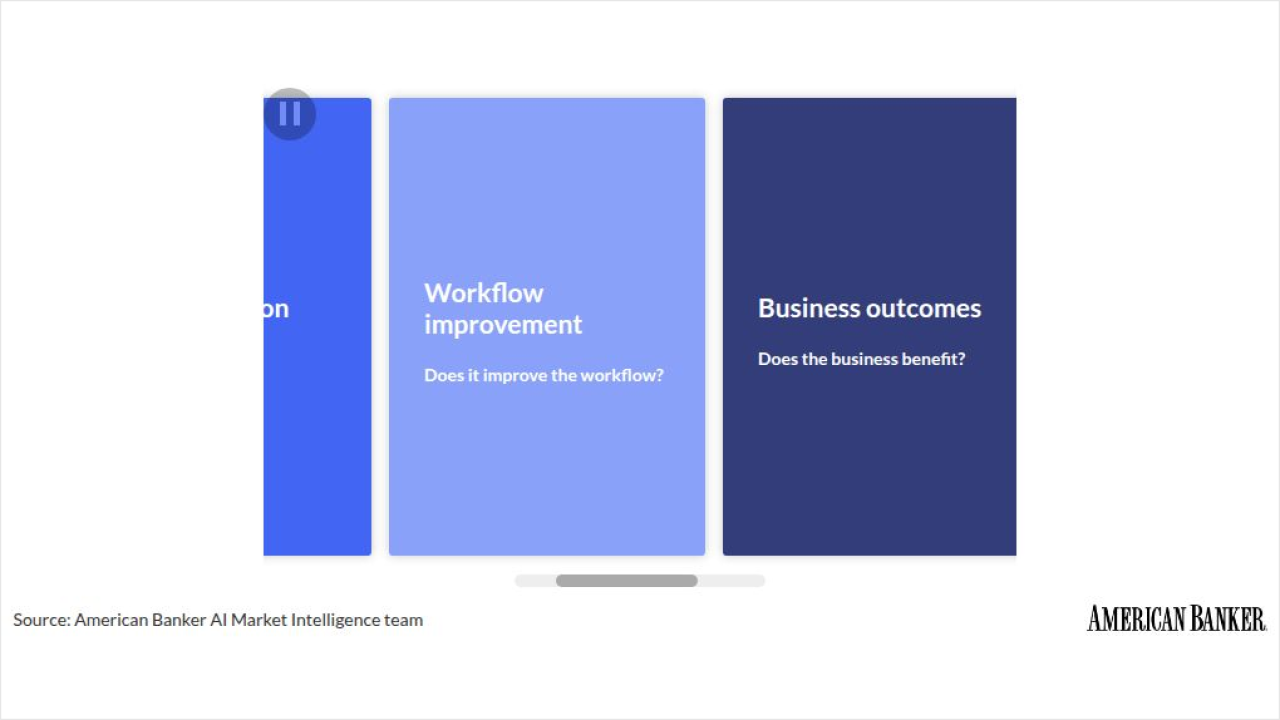
-
Santander's employee data was breached. Credit unions that were never breached are suing over the cards they had to reissue.
August 12
-
Dispatch and NetLaw target two different kinds of relocation friction. One for advisors switching firms, one for clients crossing state lines.
 August 11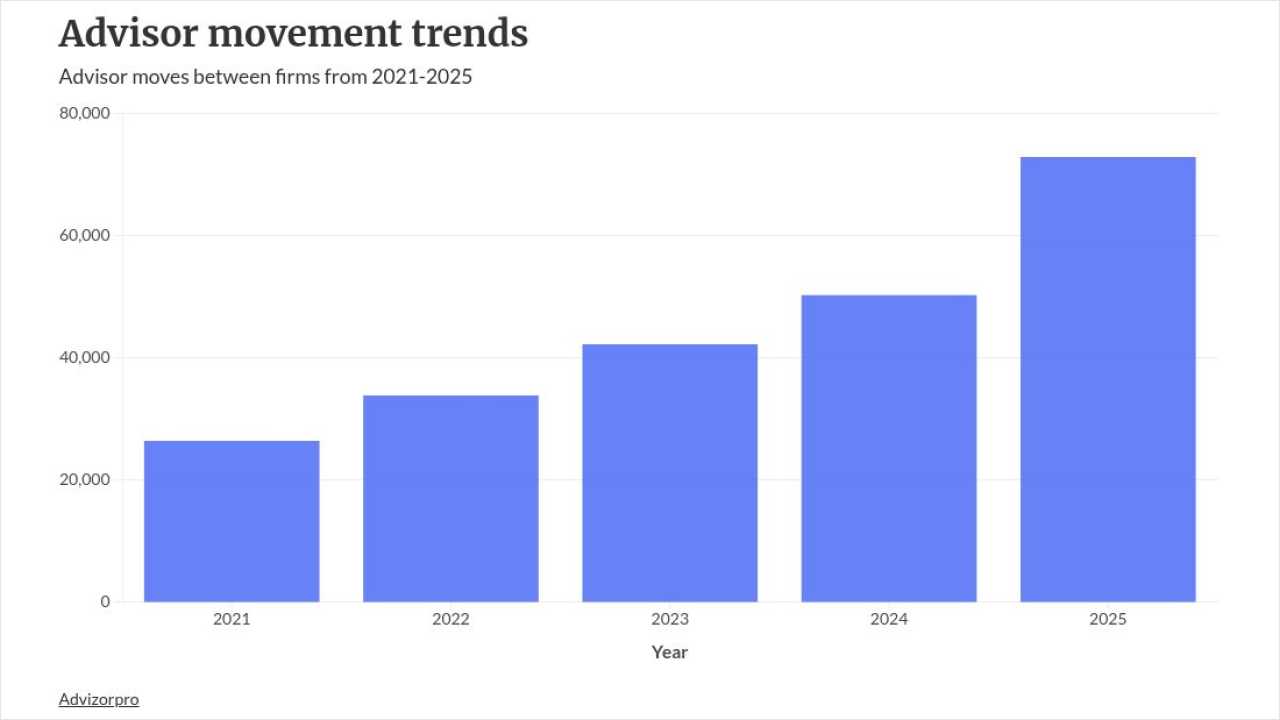
-
Companies need to find new ways of combining apprenticeships with AI model interactions for their newest employees, according to Carissa Robb, consultant and former TD Bank executive.
August 11
-
Amex GBT is using Anthropic's Claude to help travelers navigate searches, and plan and book itineraries, betting the complex and common practice of booking corporate travel will attract users.
August 7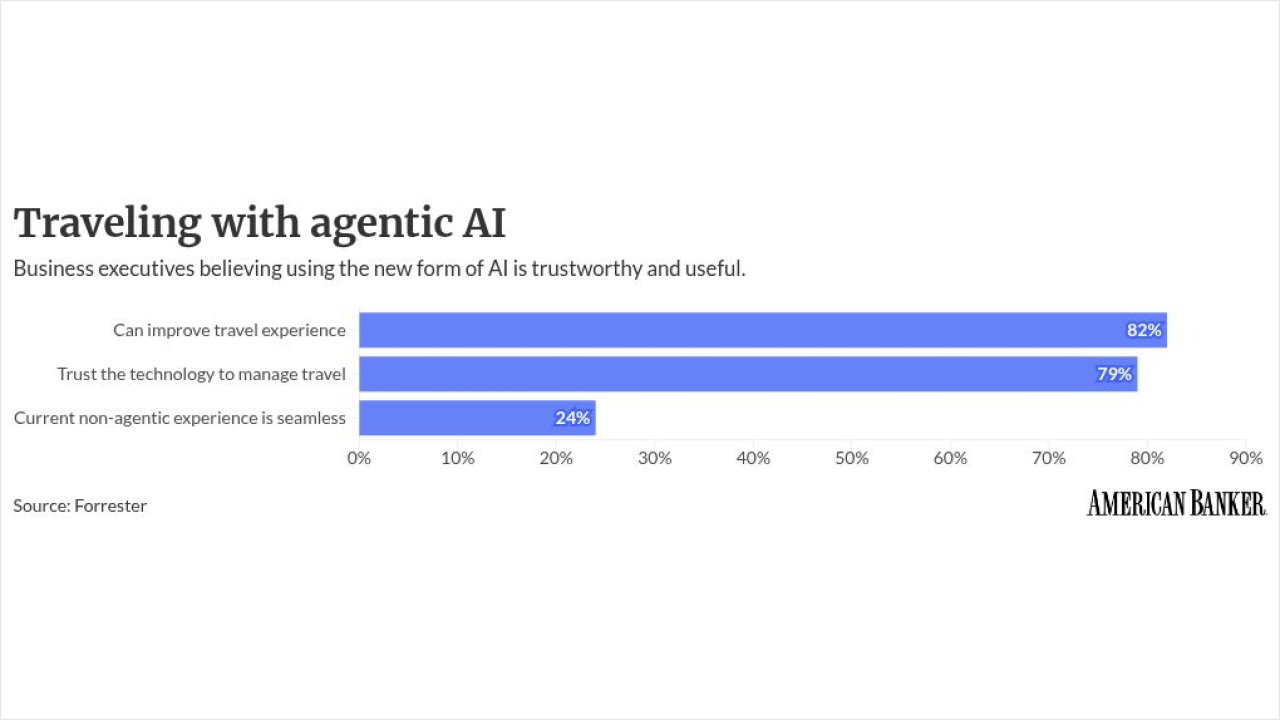
-
As AI tools take over more of the research, drafting and prep work that once taught new advisors the job, firms are racing to figure out what should replace it.
August 7