-
With Robinhood Chain now live, the company is pushing into tokenized equities, stablecoin lending and international markets.
 July 7
-
The order covers the European units of JPMorganChase, Goldman, Citi and Morgan Stanley, and previews what U.S. regulators may eventually demand.
 July 7
-
As JPMorganChase, Wells Fargo and others chase a potential $15 billion deal to buy Fiserv's Star network, experts say the growth of AI-powered transactions and competition among bank technology firms will make debit routing a hot commodity, portending more M&A and placing pressure on traditional card networks.
 July 7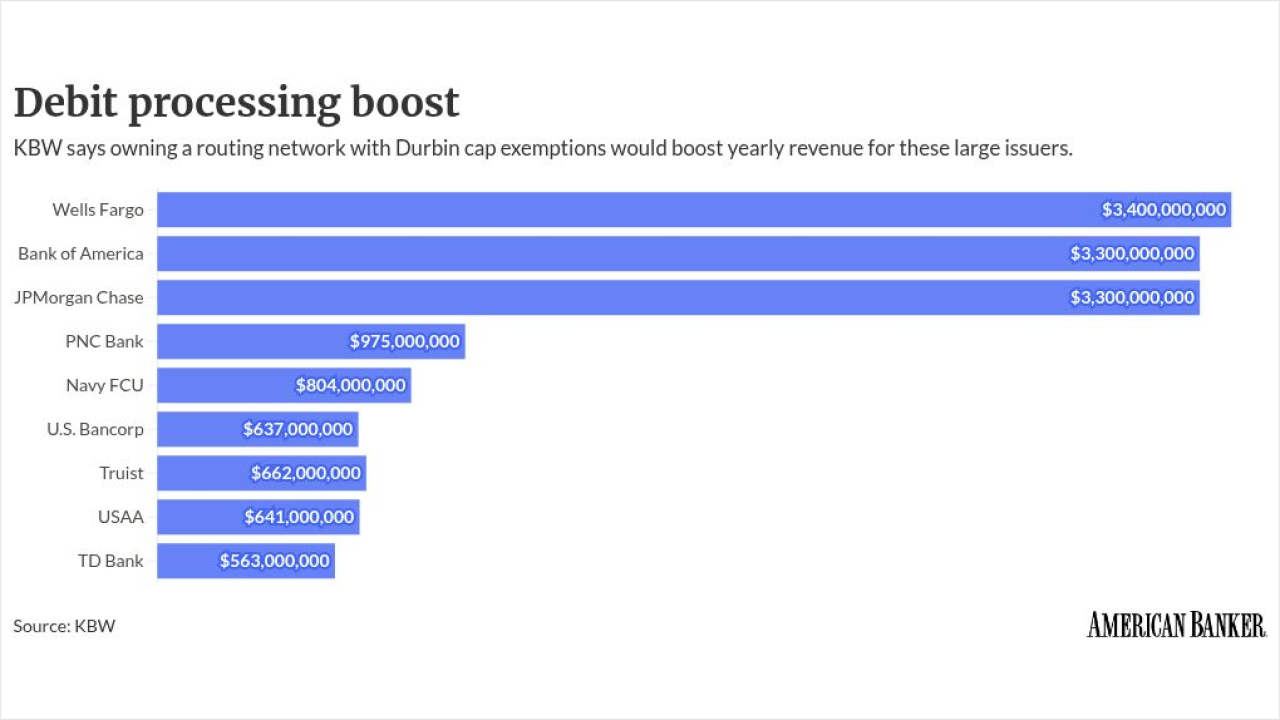
-
A new consumer wellness trend, peptide treatments, is rapidly gaining popularity, and is inevitably going to cause problems in payments as banks and payment processors try to assess which providers are legitimate.
July 7
-
Federal Reserve Vice Chair for Supervision Michelle Bowman said in a speech Tuesday morning that she is working with other regulators around the world to emphasize innovation in the banking sector, including with artificial intelligence.
 July 7
-
Market watchers say it is plausible that regulators will have established rules of the road for tokenized bank deposits by next year. But to get there, many outstanding issues will need to be ironed out first.
 July 7
-
Two executive orders pulled federal deadlines for quantum-proof encryption forward to 2030, after 2026 research cut the cost of breaking today's codes.
July 6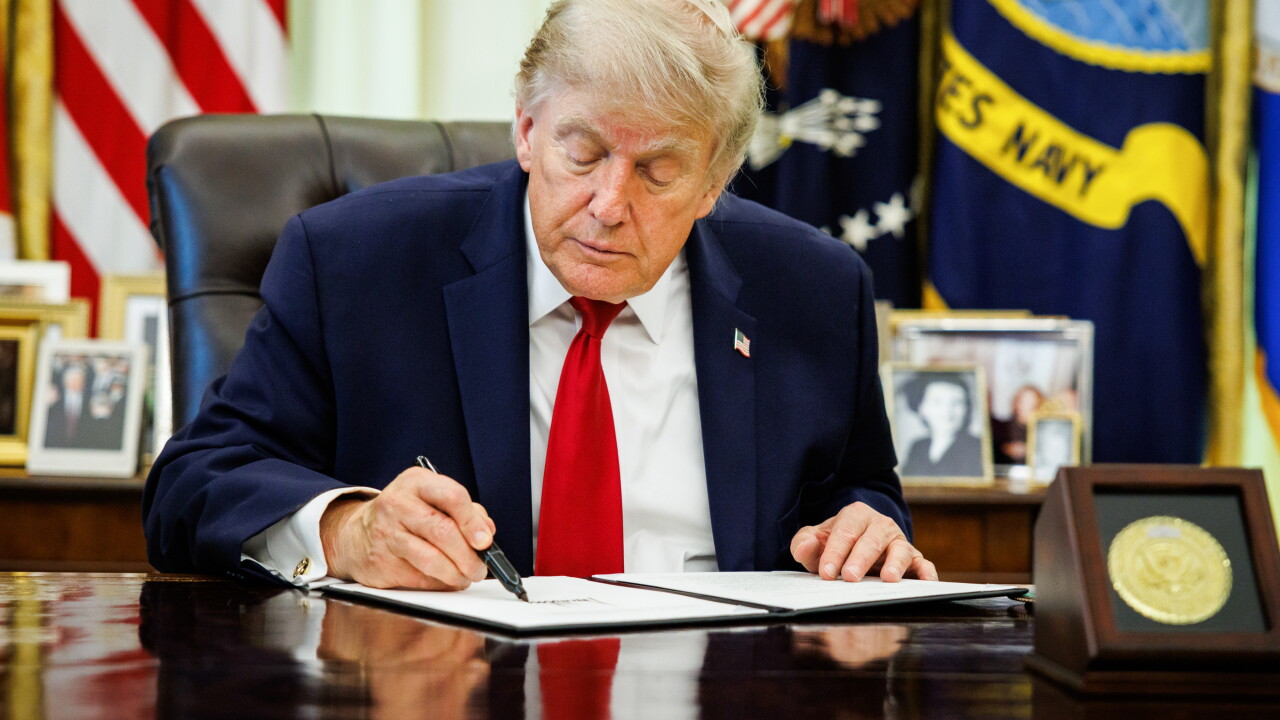
-
The need to scale quickly is adding new challenges to the build vs. buy debate
 July 6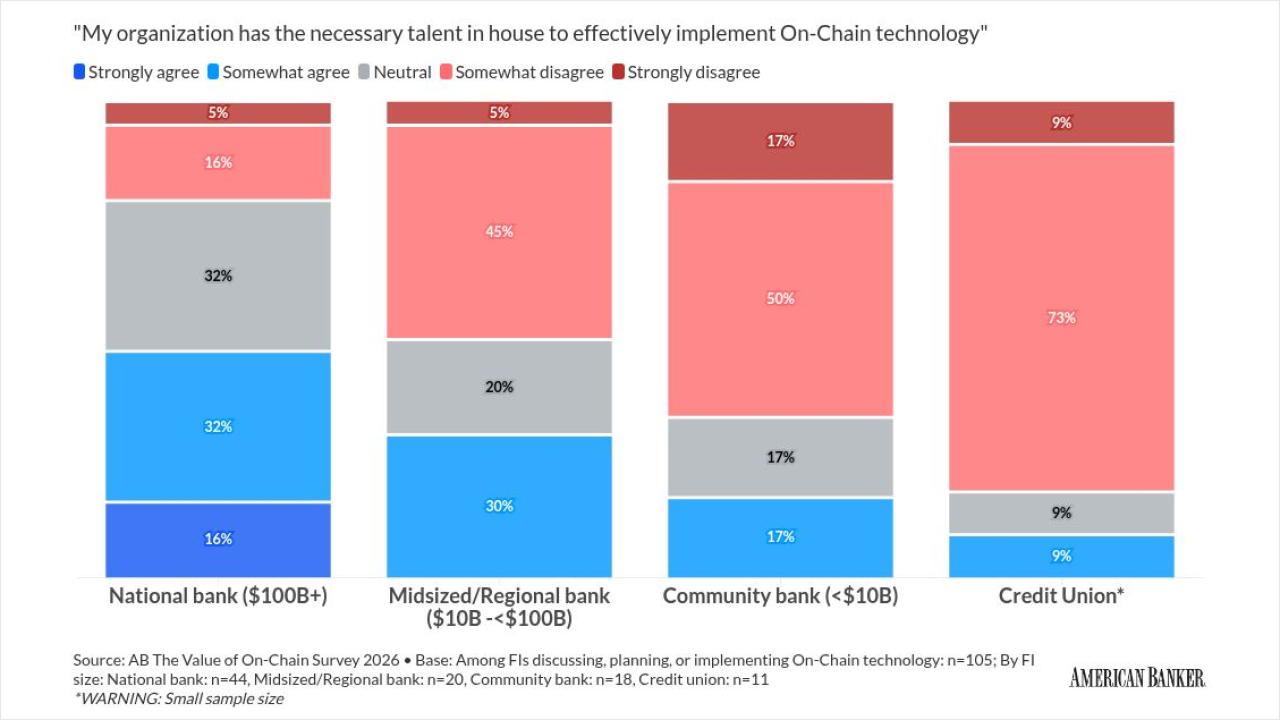
-
Now that the code underlying payment systems can be rewritten faster than its reliability can be checked, banks and payments processors need to adopt new methods of verifying that changes are safe and stable.
July 3
-
The fintech sponsor bank plans to offer digital asset services.
 July 2