
Stablecoins
How are banks approaching dollar-backed digital assets (stablecoins)?
Stablecoins have moved from the edge of the
Banks are testing stablecoins for cross-border payments, liquidity management, and digital wallets. Some are also exploring how stablecoins can support interbank transactions or be issued directly by regulated institutions. As the landscape takes shape, stablecoins are starting to look less like an experiment and more like infrastructure.
-
President Biden's announcement that he is reappointing Jerome Powell as chair of the Federal Reserve suggests that not much will change regarding supervision, capital requirements and approval of merger applications. But the still-open position for vice chair of supervision could go to a more progressive nominee.
November 22
-
The blockchain startup Figure Technologies and other firms held talks with U.S. regulators about how to issue a stablecoin that satisfies watchdogs amid deep Washington skepticism over the fast-growing corner of the cryptocurrency market.
November 22
-
Christopher Waller, a member of the Federal Reserve Board, warned that blocking nonbank entry into payment systems would stifle innovation. His remarks appeared to contradict a recent report in which Fed Chair Jerome Powell and others recommended that only banks be allowed to issue stablecoins.
November 17
-
Ripple Labs, which is locked in a bitter court battle with the U.S. Securities and Exchange Commission, has an unsurprising recommendation for Washington policy makers: limit the regulator’s role in policing cryptocurrencies.
November 16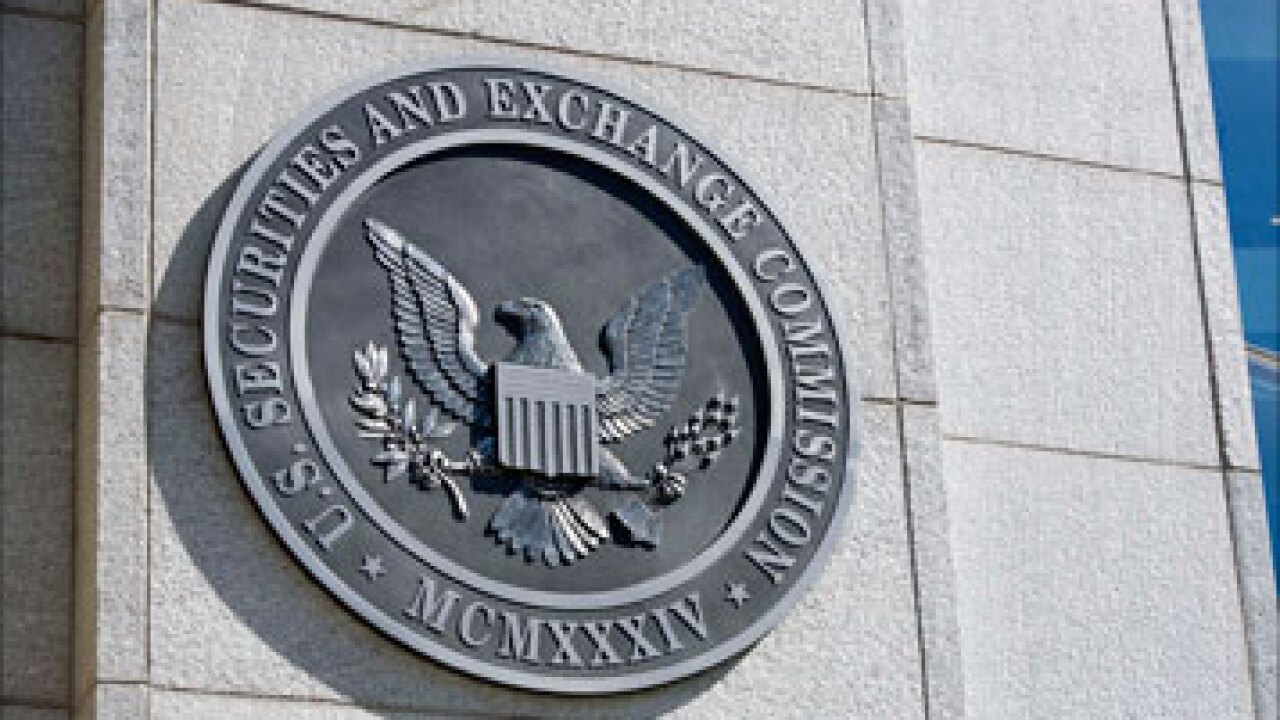
-
A bipartisan team of U.S. senators is introducing a bill to narrow some cryptocurrency tax reporting rules that were laid out in the infrastructure legislation that’s set to become law on Monday.
November 15
-
Circle, the principal operator of the second-biggest stablecoin, sees potential growth with corporate balance sheets as it broadens its geographic footprint and product offerings.
November 15
-
After vowing for months to crack down on ransomware, the Biden administration and allied countries unleashed a string of actions Monday against one of the most prolific hacking groups and also issued sanctions against cryptocurrency entities that allegedly enable such attacks.
November 8
- AB - Technology
A recent report from banking regulators says the digital assets pose too big a risk to the financial system to be issued by state-chartered entities that don’t have deposit insurance. Stablecoin issuers and others reject that claim and say regulators are discouraging competition.
 November 8
-
The small Pennsylvania regional signed up four cryptocurrency services companies as customers this week. CEO Sam Sidhu says the bank's new platform is helping it win business in this highly specialized market.
November 3
-
New York and other states have been far ahead of federal policymakers when it comes to crafting a supervisory structure for cryptocurrencies. The recent White House report on stablecoins ignored their work, and that was a mistake.
November 3 Nyca Partners


The first three months of the year coincide with the start of President Donald Trump's second term in office. Investors are likely to be more interested in banks' outlooks amid swings in tariff policy than the first-quarter results.


Frequently Asked Questions:
How are banks approaching dollar-backed digital assets (stablecoins)?
Stablecoins have moved from the edge of the crypto, world to the center of policy and banking conversations. As regulators and banks weigh their role in payments, settlement, and reserves, this page follows the developments — from early pilots to proposed legislation.
Banks are testing stablecoins for cross-border payments, liquidity management, and digital wallets. Some are also exploring how stablecoins can support interbank transactions or be issued directly by regulated institutions. As the landscape takes shape, stablecoins are starting to look less like an experiment and more like infrastructure.
Why are banks paying attention to stablecoins?
Stablecoins are increasingly viewed as a potential upgrade to legacy payments systems. Banks are evaluating them for settlement, remittances, cross-border transactions, and tokenized deposit models.Are banks issuing their own stablecoins?
Some are exploring the option. Institutions like JPMorgan (with JPM Coin) and new entrants like PayPal are piloting bank-issued stablecoins, while others are watching regulatory developments before moving forward.How do stablecoins impact compliance and risk?
Issues include KYC/AML enforcement, cybersecurity, operational risk, and how reserve assets are held and reported. Banks exploring stablecoin activity must weigh both technological benefits and regulatory scrutiny.How are regulators responding to stablecoin innovation?
Congress is debating stablecoin-specific bills focused on reserve backing, issuer licensing, and oversight. The Federal Reserve, OCC, and state regulators are also shaping how bank involvement in stablecoin activity is supervised.How are banks using stablecoin?
Banks are using stablecoins to speed up cross-border payments, manage liquidity across global branches in real time, and test new forms of settlement between institutions. Some are integrating stablecoins into retail-facing digital wallets, while others are exploring interbank networks built on tokenized payments. These efforts are less about crypto speculation and more about making money move faster, with greater transparency and fewer intermediaries.- Real-time cross-border payments
- Internal liquidity management
- Retail-facing digital wallets
- Interbank tokenized payment networks
Top banks investing in stablecoin
List of institutions with greatest investment in stablecoin:- JPMorgan Chase – JPM Coin
- Custodia Bank – Avit Tokens
- Citigroup - Citi Token Services
- Societe Generale - USD CoinVertible
- Bank of America - Name yet to be released
- Fifth Third - Name yet to be released
- U.S. Bancorp - Name yet to be released