
Stablecoins
How are banks approaching dollar-backed digital assets (stablecoins)?
Stablecoins have moved from the edge of the
Banks are testing stablecoins for cross-border payments, liquidity management, and digital wallets. Some are also exploring how stablecoins can support interbank transactions or be issued directly by regulated institutions. As the landscape takes shape, stablecoins are starting to look less like an experiment and more like infrastructure.
-
New York isn’t giving up on the digital-ledger technology that makes Bitcoin and other tokens work even after last year’s collapse of the cryptocurrency market.
January 10 -
Efforts to build better connections to bank customer data, trade digital currency and explore artificial intelligence for security and compliance purposes were some of the biggest draws of fundraising for U.S. startups.
January 9
-
Ant Financial’s Alipay is deploying blockchain technology to power a cross-border remittance service for Pakistan’s Telenor Microfinance Bank and Valyou of Malaysia.
 January 9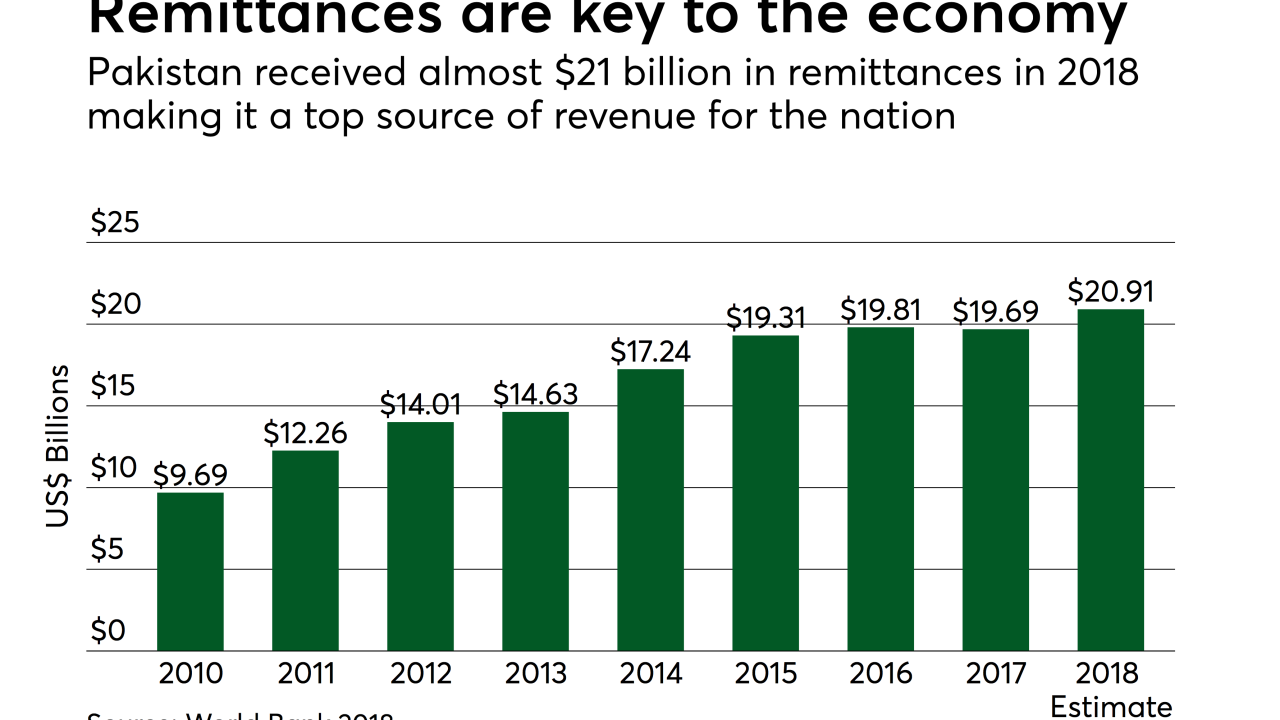
-
U.K.-based Nuggets is integrating its blockchain technology to existing payment rails, creating a system wherein merchants will no longer have to access or store consumers' personal data.
 January 9
- PSO content
Ethereum Classic, an offshoot of the second-largest cryptocurrency, remains under attack by some of the so-called miners whose servers support the underlying network operations, according to the cooperative that funds development of the digital coin.
January 8 -
Despite controversy surrounding Ripple’s digital token, one bank is pushing forward to use it in cross-border payments.
 January 8
-
Sell-offs are happening all over, bitcoin has shown strength in the past and is attracting partnerships, argues Ken Gary, vice president of corporate strategy and development at Stafford Communications.
January 4 Stafford Communications
 -
A digital exchange opening next week will enable investors to trade in companies including Apple Inc., Facebook Inc. and Tesla Inc. outside of the U.S. even when the stock markets are closed.
January 3
-
Samsung is exploring the development of a smartphone-based cryptocurrency wallet, according to a recent patent application the electronics giant filed in the U.K.
 January 2
-
As a growing number of cryptocurrency ventures struggle for funding, cut staff or shut down, all is well in one small corner of the industry: lending.
January 2


The first three months of the year coincide with the start of President Donald Trump's second term in office. Investors are likely to be more interested in banks' outlooks amid swings in tariff policy than the first-quarter results.


Frequently Asked Questions:
How are banks approaching dollar-backed digital assets (stablecoins)?
Stablecoins have moved from the edge of the crypto, world to the center of policy and banking conversations. As regulators and banks weigh their role in payments, settlement, and reserves, this page follows the developments — from early pilots to proposed legislation.
Banks are testing stablecoins for cross-border payments, liquidity management, and digital wallets. Some are also exploring how stablecoins can support interbank transactions or be issued directly by regulated institutions. As the landscape takes shape, stablecoins are starting to look less like an experiment and more like infrastructure.
Why are banks paying attention to stablecoins?
Stablecoins are increasingly viewed as a potential upgrade to legacy payments systems. Banks are evaluating them for settlement, remittances, cross-border transactions, and tokenized deposit models.Are banks issuing their own stablecoins?
Some are exploring the option. Institutions like JPMorgan (with JPM Coin) and new entrants like PayPal are piloting bank-issued stablecoins, while others are watching regulatory developments before moving forward.How do stablecoins impact compliance and risk?
Issues include KYC/AML enforcement, cybersecurity, operational risk, and how reserve assets are held and reported. Banks exploring stablecoin activity must weigh both technological benefits and regulatory scrutiny.How are regulators responding to stablecoin innovation?
Congress is debating stablecoin-specific bills focused on reserve backing, issuer licensing, and oversight. The Federal Reserve, OCC, and state regulators are also shaping how bank involvement in stablecoin activity is supervised.How are banks using stablecoin?
Banks are using stablecoins to speed up cross-border payments, manage liquidity across global branches in real time, and test new forms of settlement between institutions. Some are integrating stablecoins into retail-facing digital wallets, while others are exploring interbank networks built on tokenized payments. These efforts are less about crypto speculation and more about making money move faster, with greater transparency and fewer intermediaries.- Real-time cross-border payments
- Internal liquidity management
- Retail-facing digital wallets
- Interbank tokenized payment networks
Top banks investing in stablecoin
List of institutions with greatest investment in stablecoin:- JPMorgan Chase – JPM Coin
- Custodia Bank – Avit Tokens
- Citigroup - Citi Token Services
- Societe Generale - USD CoinVertible
- Bank of America - Name yet to be released
- Fifth Third - Name yet to be released
- U.S. Bancorp - Name yet to be released