
Stablecoins
How are banks approaching dollar-backed digital assets (stablecoins)?
Stablecoins have moved from the edge of the
Banks are testing stablecoins for cross-border payments, liquidity management, and digital wallets. Some are also exploring how stablecoins can support interbank transactions or be issued directly by regulated institutions. As the landscape takes shape, stablecoins are starting to look less like an experiment and more like infrastructure.
-
The stance the Bank of England is taking a proactive and pragmatic approach that should be championed, writes Nigel Green, founder and CEO of deVere Group.
March 9 deVere Group
 -
Speaking at the Economic Club of New York in Manhattan, PayPal Chief Executive Officer Dan Schulman said cryptocurrencies have a very uncertain future.
March 9
-
As both the volume and value of digital currencies increase, so will inevitable attempts to commit fraud and theft. In this nascent stage, what is protecting cryptocurrency buyers and sellers?
March 7
-
Ripple, the U.S. digital payments company, is working with 61 Japanese banks on an application that will enable customers to settle cash transfers instantly around the clock, the latest effort to apply blockchain technology in finance.
March 7
-
Issuers and investors in initial coin offerings for digital coins appear to have something else to worry about besides the increased scrutiny of regulators.
March 6
-
At CUNA’s GAC, one credit union leader explained that CUs need blockchain and distributed ledger technology now for the same reason they needed websites in the '90s -- even if the technology is confusing, it's going to be a big deal sooner than you think.
March 6
-
State-level support will give the digital assets industry much needed footing, said Caitlin Long, a former managing director at Morgan Stanley.
March 5
-
Coinbase Inc., one of the largest U.S. cryptocurrency exchanges, is dialing up its expansion efforts by bringing in a prolific Silicon Valley dealmaker.
March 5
-
Banks are putting the concept of securities lending on a blockchain-inspired platform to the test.
 March 1
-
The Securities and Exchange Commission may be focusing on the sale of options known as simple agreements for future tokens in connection with initial coin offerings.
March 1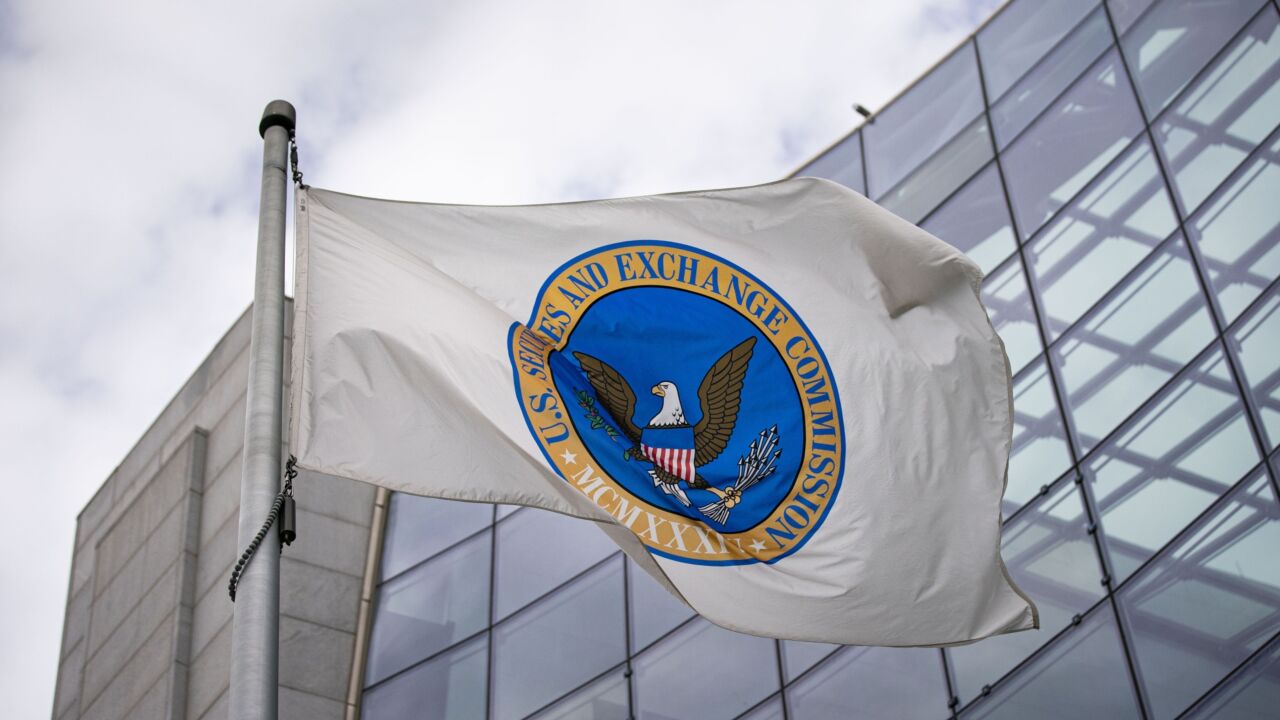


The first three months of the year coincide with the start of President Donald Trump's second term in office. Investors are likely to be more interested in banks' outlooks amid swings in tariff policy than the first-quarter results.


Frequently Asked Questions:
How are banks approaching dollar-backed digital assets (stablecoins)?
Stablecoins have moved from the edge of the crypto, world to the center of policy and banking conversations. As regulators and banks weigh their role in payments, settlement, and reserves, this page follows the developments — from early pilots to proposed legislation.
Banks are testing stablecoins for cross-border payments, liquidity management, and digital wallets. Some are also exploring how stablecoins can support interbank transactions or be issued directly by regulated institutions. As the landscape takes shape, stablecoins are starting to look less like an experiment and more like infrastructure.
Why are banks paying attention to stablecoins?
Stablecoins are increasingly viewed as a potential upgrade to legacy payments systems. Banks are evaluating them for settlement, remittances, cross-border transactions, and tokenized deposit models.Are banks issuing their own stablecoins?
Some are exploring the option. Institutions like JPMorgan (with JPM Coin) and new entrants like PayPal are piloting bank-issued stablecoins, while others are watching regulatory developments before moving forward.How do stablecoins impact compliance and risk?
Issues include KYC/AML enforcement, cybersecurity, operational risk, and how reserve assets are held and reported. Banks exploring stablecoin activity must weigh both technological benefits and regulatory scrutiny.How are regulators responding to stablecoin innovation?
Congress is debating stablecoin-specific bills focused on reserve backing, issuer licensing, and oversight. The Federal Reserve, OCC, and state regulators are also shaping how bank involvement in stablecoin activity is supervised.How are banks using stablecoin?
Banks are using stablecoins to speed up cross-border payments, manage liquidity across global branches in real time, and test new forms of settlement between institutions. Some are integrating stablecoins into retail-facing digital wallets, while others are exploring interbank networks built on tokenized payments. These efforts are less about crypto speculation and more about making money move faster, with greater transparency and fewer intermediaries.- Real-time cross-border payments
- Internal liquidity management
- Retail-facing digital wallets
- Interbank tokenized payment networks
Top banks investing in stablecoin
List of institutions with greatest investment in stablecoin:- JPMorgan Chase – JPM Coin
- Custodia Bank – Avit Tokens
- Citigroup - Citi Token Services
- Societe Generale - USD CoinVertible
- Bank of America - Name yet to be released
- Fifth Third - Name yet to be released
- U.S. Bancorp - Name yet to be released