
Stablecoins
How are banks approaching dollar-backed digital assets (stablecoins)?
Stablecoins have moved from the edge of the
Banks are testing stablecoins for cross-border payments, liquidity management, and digital wallets. Some are also exploring how stablecoins can support interbank transactions or be issued directly by regulated institutions. As the landscape takes shape, stablecoins are starting to look less like an experiment and more like infrastructure.
-
The Wyoming-based digital-asset bank wants more information about why a decision on its two-year-old application for a master account has been delayed. But U.S. District Judge Scott Skavdahl ruled that the central bank won't have to turn over everything Custodia sought.
 December 14
-
FTX's new chief executive, John J. Ray, described shoddy accounting processes and a core group of inexperienced leaders that contributed to the crypto exchange's collapse.
 December 13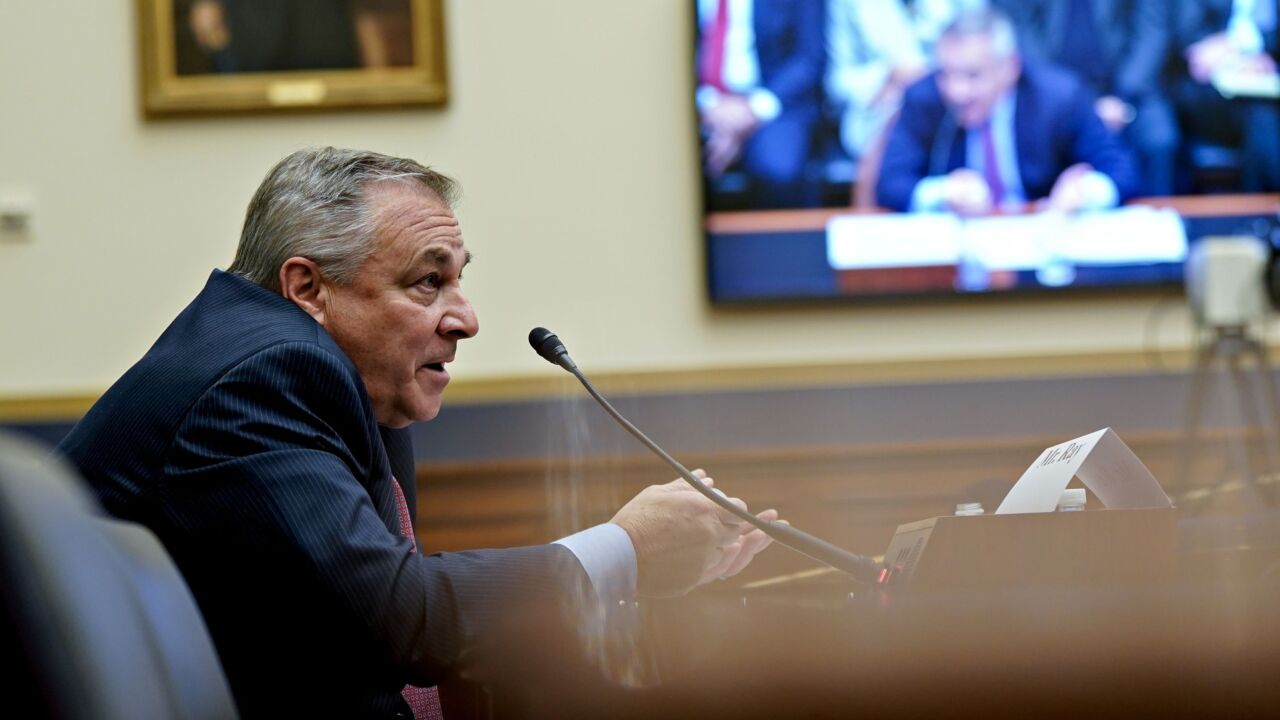
-
After spending the past two weeks participating in media interviews, former FTX Chief Executive Sam Bankman-Fried is being more selective when it comes to appearing before Congress to discuss the collapse of his cryptocurrency empire.
December 12
-
At least $73 million of political donations tied to Sam Bankman-Fried's FTX may be at risk of being clawed back as bankruptcy lawyers sort through the remnants of his crypto empire in search of assets to repay creditors.
December 12
-
The U.S. Supreme Court agreed to consider a Coinbase Global appeal over a user lawsuit in a case that could bolster the ability of companies to channel customer and employee disputes into arbitration.
December 9
-
BofA's Seattle shake-up, board "refreshment" at a Phoenix bank and more in banking news this week.
December 9
-
Rushing to create a central bank digital currency that is not permissionless and private would be dangerous to core American principles, according to a Minnesota Republican.
December 9
-
Coinbase Global waived fees for converting Tether Holdings' stablecoin USDT for the token Coinbase backs, as competition heats up among the three biggest issuers of such digital assets.
December 9
-
Sam Bankman-Fried missed the deadline set by a U.S. Senate committee for a response to a request to testify at a Dec. 14 hearing about FTX's collapse into bankruptcy.
December 9
-
While Silvergate said this month it has "a resilient balance sheet and ample liquidity," and analysts call its financials sound, the bank is today contending with a question as difficult as the one that led it to crypto in the first place: whether the experiment was worth it.
December 9


The first three months of the year coincide with the start of President Donald Trump's second term in office. Investors are likely to be more interested in banks' outlooks amid swings in tariff policy than the first-quarter results.


Frequently Asked Questions:
How are banks approaching dollar-backed digital assets (stablecoins)?
Stablecoins have moved from the edge of the crypto, world to the center of policy and banking conversations. As regulators and banks weigh their role in payments, settlement, and reserves, this page follows the developments — from early pilots to proposed legislation.
Banks are testing stablecoins for cross-border payments, liquidity management, and digital wallets. Some are also exploring how stablecoins can support interbank transactions or be issued directly by regulated institutions. As the landscape takes shape, stablecoins are starting to look less like an experiment and more like infrastructure.
Why are banks paying attention to stablecoins?
Stablecoins are increasingly viewed as a potential upgrade to legacy payments systems. Banks are evaluating them for settlement, remittances, cross-border transactions, and tokenized deposit models.Are banks issuing their own stablecoins?
Some are exploring the option. Institutions like JPMorgan (with JPM Coin) and new entrants like PayPal are piloting bank-issued stablecoins, while others are watching regulatory developments before moving forward.How do stablecoins impact compliance and risk?
Issues include KYC/AML enforcement, cybersecurity, operational risk, and how reserve assets are held and reported. Banks exploring stablecoin activity must weigh both technological benefits and regulatory scrutiny.How are regulators responding to stablecoin innovation?
Congress is debating stablecoin-specific bills focused on reserve backing, issuer licensing, and oversight. The Federal Reserve, OCC, and state regulators are also shaping how bank involvement in stablecoin activity is supervised.How are banks using stablecoin?
Banks are using stablecoins to speed up cross-border payments, manage liquidity across global branches in real time, and test new forms of settlement between institutions. Some are integrating stablecoins into retail-facing digital wallets, while others are exploring interbank networks built on tokenized payments. These efforts are less about crypto speculation and more about making money move faster, with greater transparency and fewer intermediaries.- Real-time cross-border payments
- Internal liquidity management
- Retail-facing digital wallets
- Interbank tokenized payment networks
Top banks investing in stablecoin
List of institutions with greatest investment in stablecoin:- JPMorgan Chase – JPM Coin
- Custodia Bank – Avit Tokens
- Citigroup - Citi Token Services
- Societe Generale - USD CoinVertible
- Bank of America - Name yet to be released
- Fifth Third - Name yet to be released
- U.S. Bancorp - Name yet to be released