-
The trillions being poured into AI is putting pressure on the hyperscalers to produce a return on the investments.
May 28 American Banker
 -
Housing advocates and compliance firms are suing to block a rule from the Consumer Financial Protection Bureau that they say guts the Equal Credit Opportunity Act.
 May 27
-
The Canadian lender's U.S. plan involved selling branches and jettisoning certain noncore relationship loan portfolios. BMO is now positioned to achieve its stateside return on equity target, CEO Darryl White said.
 May 27
-
The Federal Deposit Insurance Corp. said banks earned stronger profits and expanded lending in the first quarter of 2026, but at the same time margins shrank and unrealized losses have been increasing.
 May 27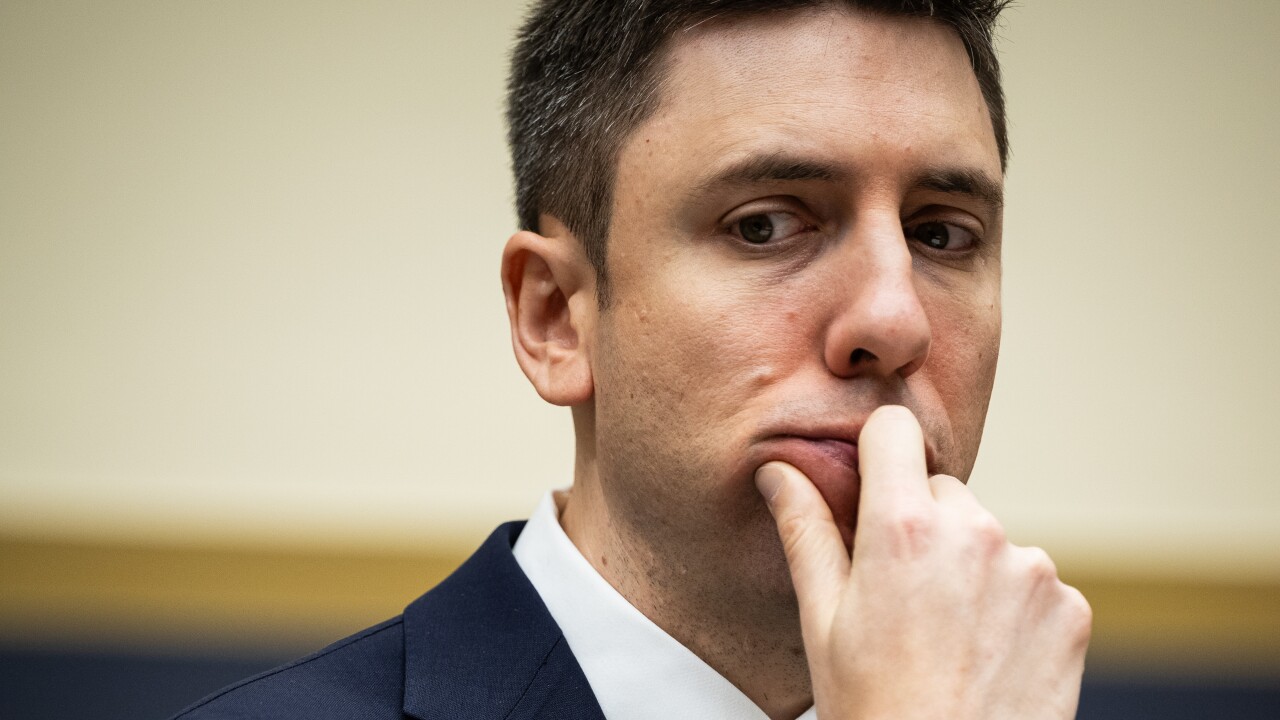
-
Spain's largest lender is looking to buy Webster as part of an effort by Executive Chair Ana Botin to expand in the U.S.
May 27
-
Private credit should no longer be evaluated primarily as a yield story. Under current conditions, the underlying structure of deals is playing a much larger role in determining performance.
May 27
-
AI could bring about the worst jobs market in the past century; the good news is we have time to figure out what to do about it.
May 27American Banker -
The average number of days it takes for large bank M&A deals to close has drastically shrunk from the past two years, according to a new report.
May 27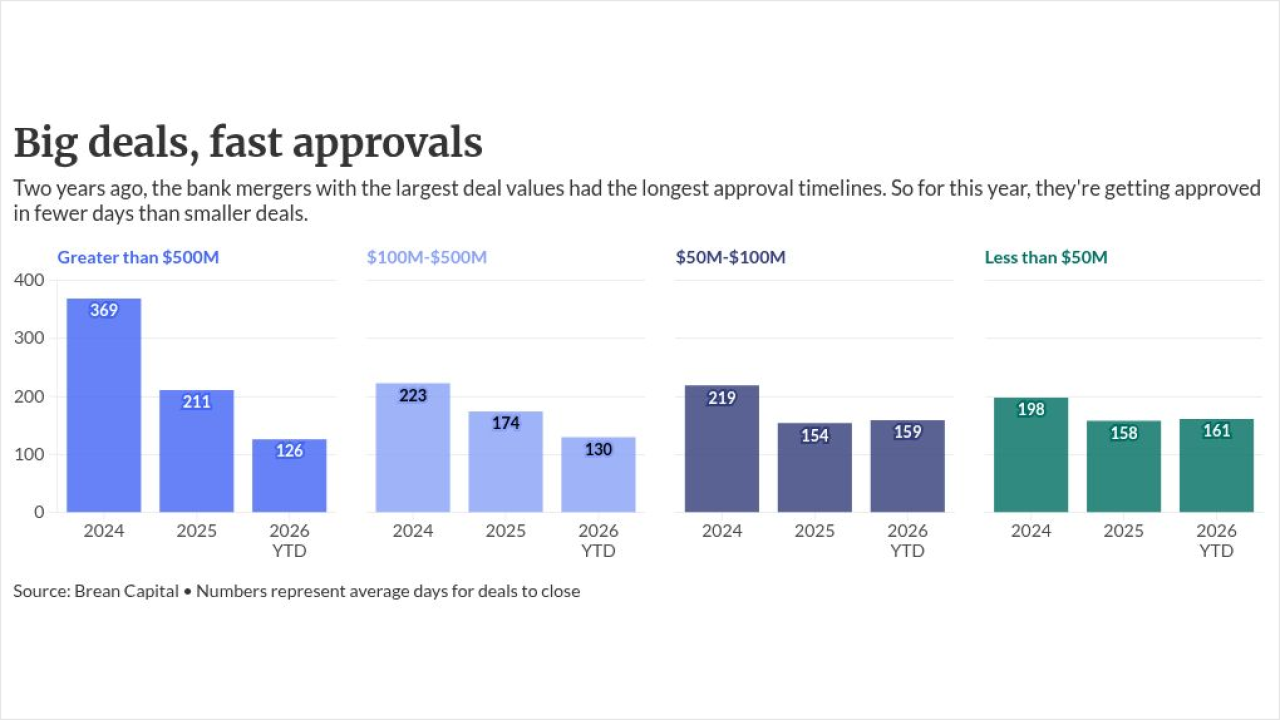
-
Maspeth Federal Savings in Queens has been managed by members of the Rudzewick family, led by long-serving patriarch Ken, for nearly three decades.
 May 26
-
The crypto exchange, which closed its original direct deposit service in late 2024, has brought it back for users to set up automated digital asset investing.
 May 26
-
The Office of the Comptroller of the Currency has conditionally approved several national trust bank charters for crypto companies. Fabian Dori at Sygnum Bank, which has operated as crypto bank for six years, shares what happens after the charter.
 May 26
-
An automated alert system auto-closed "a very high percentage" of suspicious-activity flags at the bank, the OCC said.
 May 26
-
The CEOs of JPMorganChase, Goldman Sachs and Standard Chartered said they're reducing some roles due to advances in AI, the same week the Pope spoke of the need to protect workers.
May 26
-
Tokenization is being adopted from within the system, not alongside it. It's improving how markets operate by making settlements faster, increasing their mobility, boosting transparency and expanding access.
May 26
-
Berkshire Hathaway's banking-related investment strategy is murky, after the arrival of new leadership and the sale of its stakes in Visa and Mastercard.
 May 25
-
Consumers don't mistrust crypto products because they don't understand the technology behind them. They mistrust them because they have seen them fail under pressure. The path forward will be slow and incremental.
May 25
-
Amerant Bancorp in Coral Gables, Florida, appointed Carlos Iafigliola its permanent president and CEO; Morton Community Bank in Illinois reached a deal to buy a three-branch franchise in the Land of Lincoln; Bank First in Manitowoc, Wisconsin, agreed to acquire PSB Holdings; and more in this week's banking news roundup.
 May 22
-
Cetin Duransoy said every employee at his company is now using AI in some way.
May 22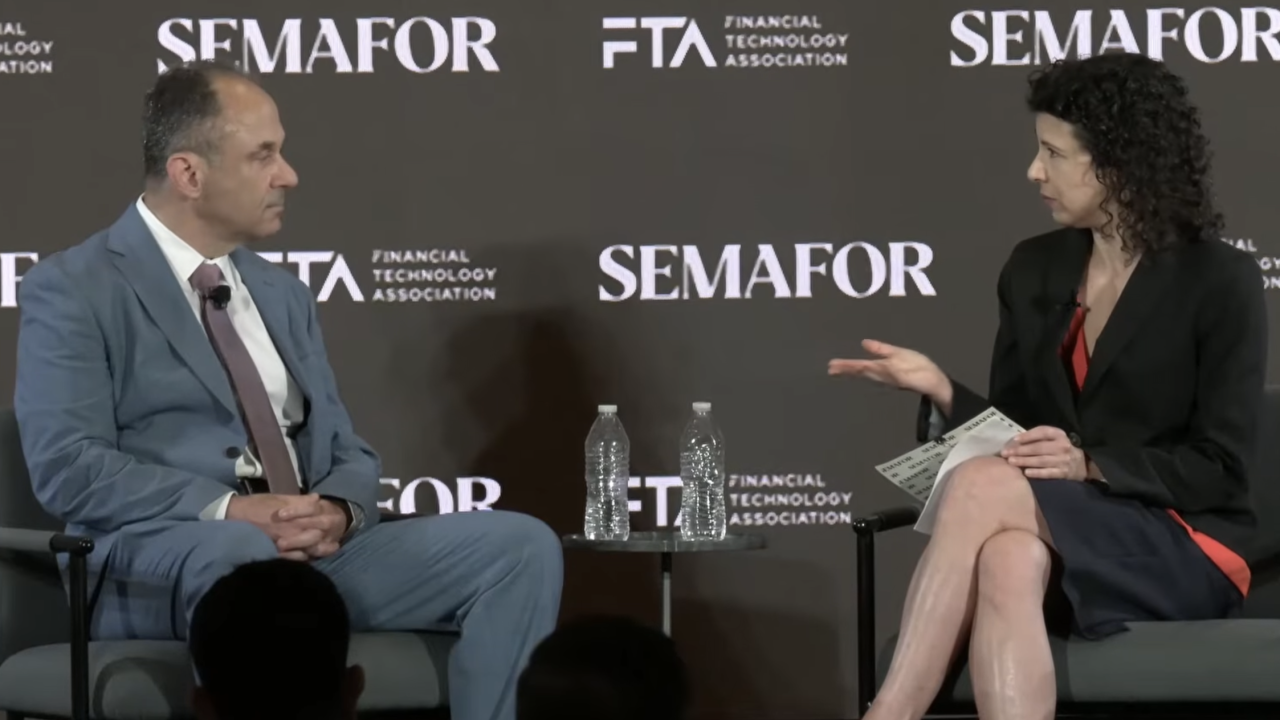
-
The use of cryptocurrency products will only go truly mainstream when everyday consumers feel confident that their assets are not at risk of disappearing because of a mistake or an oversight.
May 22
-
Lenders pulled back on commercial real estate loans in 2023, as high interest rates put pressure on property values. They're now returning to the sector, and the renewed competition is prompting a pricing war.
 May 21


