-
Steep trade barriers that were set to go into effect on July 9 have once again been put on pause, giving banks a welcome reprieve, but adding still more pressure and uncertainty on the Federal Reserve and the broader economy.
July 9
-
The new trade levies are changing the way businesses import and export goods and how they finance their transactions. HSBC's Marissa Adams, Europe and Americas Regional Head of Global Trade Solutions, discusses what's next.

-
Time is running out for the 90-day pause on most of President Trump's tariffs. But at least two bank CEOs are confident there won't be a summer sequel to "Liberation Day."
 June 27
-
The Federal Reserve's preferred measure of inflation moved further from its 2% target, underscoring the central bank's reluctance to cut rates.
 June 27
-
Consumer spending and exports fell slightly in the latest estimate, leading to a downward revision. Imports, which dragged down overall output during the first three months of the year, also came in smaller.
 June 26
-
Financial markets were shaken but not stirred this past spring, according to the Federal Reserve, as swinging stock prices and bond yields did little to bring down elevated asset prices or leverage.
June 20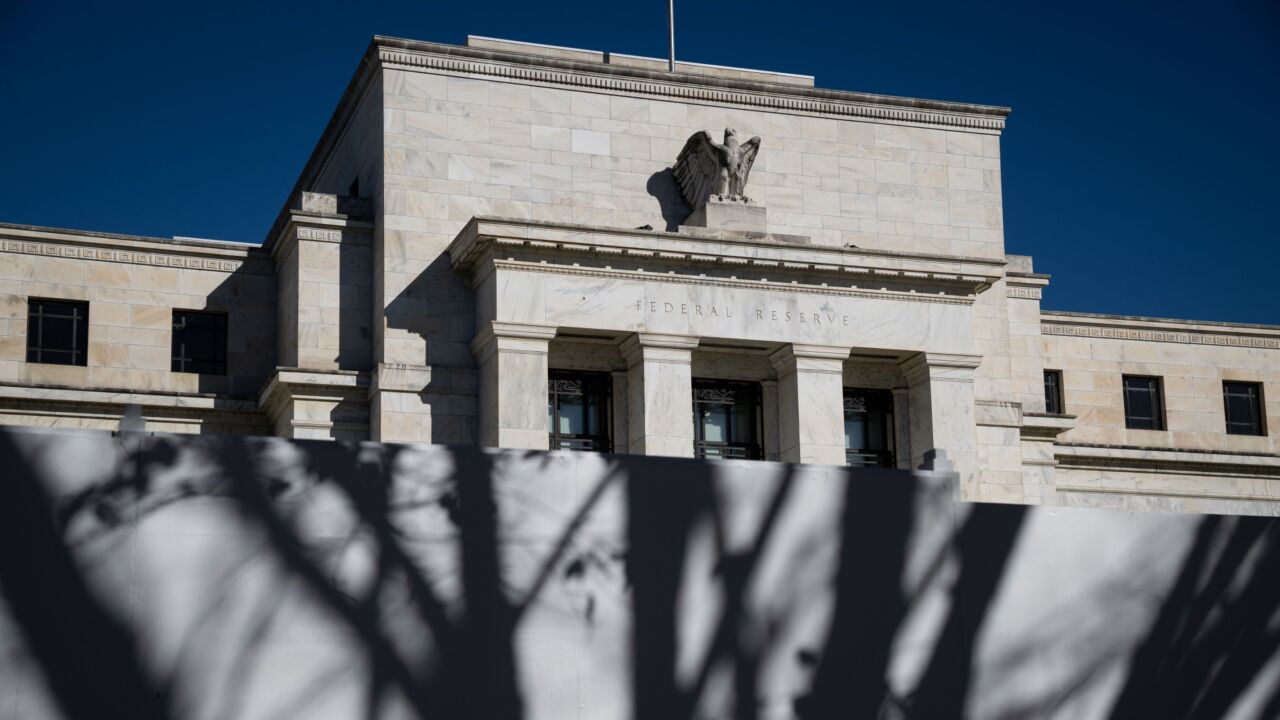
-
Even as unpredictable trade policies slowed down mergers in other sectors, banks have kept inking M&A deals at the same pace, according to a new report.
June 18
-
Paula Comings, the head of currency sales for U.S. Bancorp, said American importers are hearing from their foreign counterparties that they no longer want to be paid in U.S. currency.
June 16
-
The impact of President Trump's tariffs is the top concern for most middle-market American businesses, a new KeyBank survey found. But these firms also view the scrambled landscape as a chance to innovate and restructure.
June 13
-
Royal Bank of Canada, BMO Financial and others increased allocations to cover the possibility of souring loans as trade pressures shake international markets.
 June 12
-
The government measure of inflation for May ticked up modestly, adding to the signals that the Federal Reserve is unlikely to move on interest rates when it meets next month.
June 11
-
The U.S. economy added 139,000 jobs, a healthy clip that counters the president's calls for a rate cut to bolster the labor market.
June 6
-
Some Wall Street investors are beginning to doubt whether the harshest outcomes of President Trump's tariff threats will materialize. But in the absence of certainty, banks still face real challenges in M&A and long-term strategy.
 June 5
-
The Federal Reserve Board governor said higher import tariffs could have a "persistent" impact on inflation.
June 5
-
The payments company hopes to build its brand outside of its U.K. home base while attracting a deeper investor pool.
 June 5
-
The Treasury market experienced unexpected volatility in April after President Trump announced sweeping tariffs, but recovered after the moves were delayed. Some see that as proof of resilience in the market, but others say it highlights vulnerabilities.
June 4
-
Federal Reserve Gov. Christopher Waller said changes to the Federal Open Market Committee's quarterly economic projections could lead to clearer communication with markets and market participants.
June 2
-
The Federal Reserve's preferred measure of inflation moved closer to the 2% target last month, but the impact of tariffs remains to be seen.
May 30
-
A jump in provisions dragged down the Royal Bank of Canada's profits last quarter, prompted by the bank's fears of a potential tariff-driven recession.
May 29 -
Growth in consumer spending was revised down, but estimates for imports and business investment were raised.
May 29


