-
The only beneficiary of this well-intended but misguided regulation appears to be a small group of lawyers bringing costly lawsuits.
July 12
-
When smaller financial institutions, such as credit unions, are inundated with regulations from multiple agencies simultaneously, their ability to meet the needs of members is hampered and services are curtailed.
July 12 -
Banks are allowed to pass on costs related to FDIC premiums, but the agency is warning the industry that expressly designating an 'FDIC fee' has consequences.
 July 12
 -
How ironic to see banks complain about being victimized by nuisance lawsuits filed by consumers over missing warning notices at ATMs notices that were required to stop banks from victimizing consumers with nuisance charges at ATMs.
July 12 -
San Bernardino County is weighing a controversial plan to use eminent domain to modify underwater mortgages, even as the countys largest city seeks bankruptcy.
July 12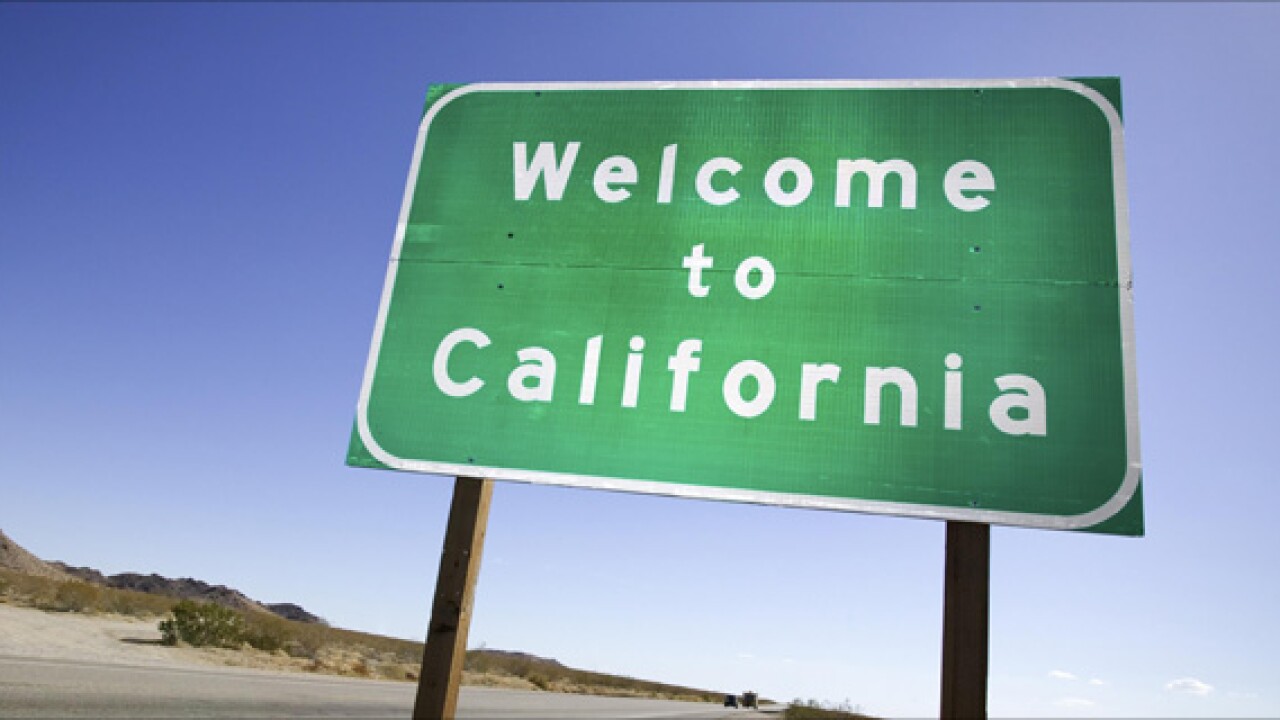
-
A fraud case that contributed to the recent failure of Montgomery Bank in Georgia could lead to more regulatory scrutiny when community banks look for outside investors.
 July 12
-
The Pennsylvania Attorney General's Office has secured a judgment against Michael J. Covatto, the former president of defunct collection agency Unicredit America Inc., that means he will owe money to the state and possibly Unicredit's former debtors.
July 12 -
The qualified mortgage definition was the topic of a House subcommittee hearing on Wednesday, part of a six-hearing campaign by Republicans challenging Dodd-Frank.
July 12 -
Gearing up for the two-year anniversary of Dodd-Frank House Republican's launched a campaign "to convince the electorate that Dodd-Frank's rules are hurting everyday Americans rather than just the financial sector,” writes American Banker’s Kevin Wack.
July 11 -
A new museum exhibit chronicles the history of New York's banking scene.
 July 11
 -
San Bernardino County is forging ahead with deliberations on a proposal to seize underwater mortgages, despite its largest city's decision to seek bankruptcy. But industry members say the bankruptcy could interrupt funding for the plan.
 July 11
 -
With new entrants from China, fresh capital could be made available to entrepreneurs and business owners who otherwise might fail to find financing. Also, remember the fears in the 1980s that the Japanese were buying up America?
July 11 -
Dozens of small banks have substantially increased commercial and industrial lending over the past few years. Supervisors are worried that some may be chasing unfamiliar business down a blind alley.
 July 11
-
International Bancshares (IBOC) in Laredo, Texas, has repurchased $40 million of preferred stock that it issued to the Treasury Department under the Troubled Asset Relief Program.
 July 11
 -
Members of the GOP-controlled House once again debated the impact — and potential pitfalls — of a section of the Dodd-Frank Act, with the subject du jour concerning so-called QM regulation.
July 11 -
The Consumer Financial Protection Bureau proposed two new rules regarding mortgages. One is intended to simply mortgage forms and disclosures. The second would lower broaden the definition of a "high-cost loan" and tighten the rules for them.
July 11 -
If the government could eliminate contract rights in this way, then it would be hard to imagine what contracts could not be set aside in the name of market efficiency.
July 11 -
The government has failed to publicly vet its use of auctions to dispose of its remaining Troubled Asset Relief Program holdings. That leaves too many questions unanswered about its exit plans.
 July 11
 -
John Allison, the former chairman and CEO of BB&T, recently agreed to become the president and CEO of the Cato Institute, a leading libertarian think tank. He joins a growing list of former bank executives who are trying their hand at something totally unrelated to banking.
July 11
-
Barb Pacheco of the Kansas City Fed is keeping a close eye on mobile payment innovation, to help steer the course of new initiatives and to determine what regulators' role will be.
 July 11


