-
In Zelle’s national advertising campaign, the bank-run P-to-P network spotlights consumers paying a personal trainer, a babysitter and a neighbor. It sets an expectation that Zelle can be used like a credit card, and scammers have figured out how to exploit this trust.
 February 22
-
It can be hard for bankers to carve out opportunities to tackle complex problems in today’s always-on culture, but it’s important for getting ahead.
February 22 IBM Global Business Services
 -
Process would protect taxpayers from bailing out failed banks; bank plans to raze its midtown Manhattan headquarters and build a 2.5 million sq. ft. edifice on the site.
February 22
-
By failing to protect their customers’ data, financial institutions and others in the payments ecosystem are risking trust, the most important currency they have, writes David Barnhardt, executive vice president of product at GIACT.
February 22 GIACT Systems
 -
The Chicago bank is denying a report that its CEO, Steve Calk, made $16 million in mortgage loans to former Trump campaign chairman Paul Manafort in exchange for a job in the White House.
 February 21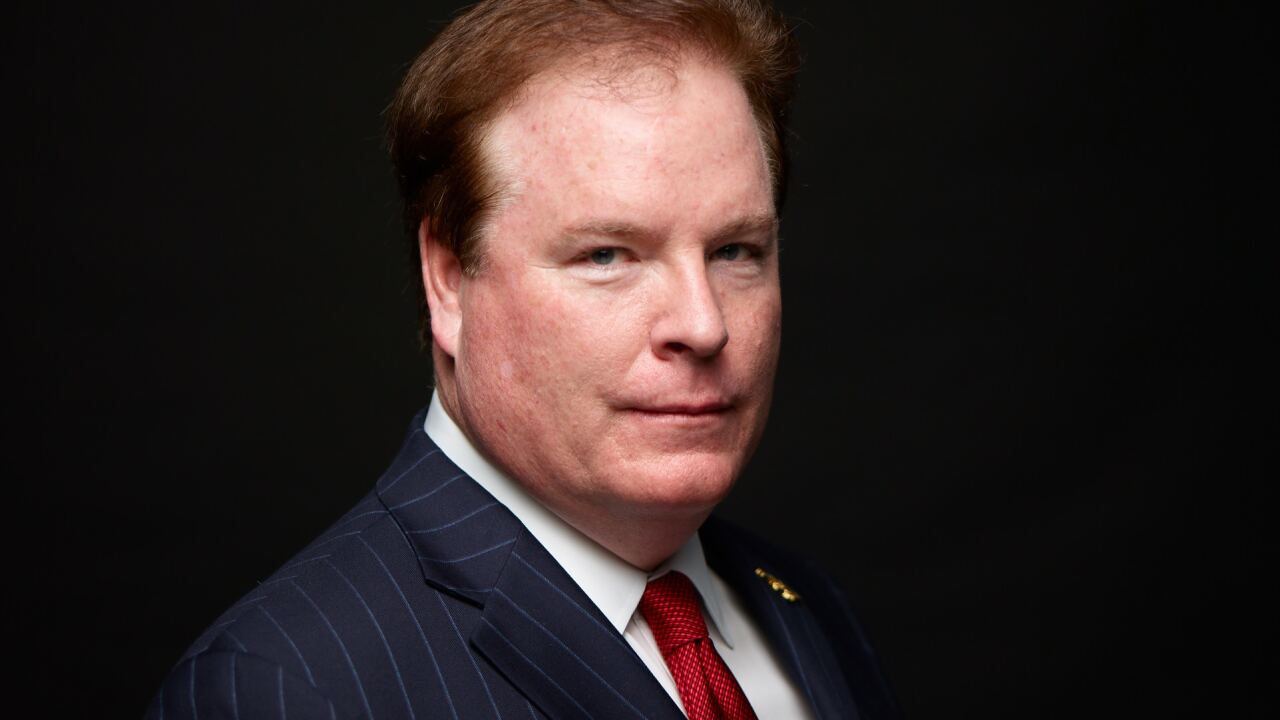
-
The Puerto Rico-based bank failed in 2015. The FDIC, its receiver, is seeking unspecified economic and punitive damages from 16 lenders, including Bank of America, Barclays and Credit Suisse.
February 21
-
First Citizens, which wants to buy KS Bancorp, has filed a lawsuit to challenge a so-called poison pill provision that the much smaller bank's board recently passed.
 February 21
-
The Trump administration on Wednesday refrained from proposing the elimination of authority to clean up failed financial behemoths, but the Treasury Department still wants substantial reforms to the resolution powers.
 February 21
-
The subprime auto lender paid $2.9 million to Connecticut consumers and a $100,000 fine for miscalculating balances owed on repossessed cars and for charging improper fees. It says the settlement is part of an effort to clean up "legacy issues."
 February 20
-
The online lender continues to contend with the fallout of a 2016 scandal that led to the ouster of its founder and CEO.
 February 20
-
Foreign operatives' alleged use of fraudulent financial accounts to try to influence the U.S. political system shows again how difficult it is for banks to truly know their customers.
February 20
-
The Supreme Court dealt hedge funds and other big investors a blow Tuesday by refusing to revive core parts of lawsuits that challenged the federal government’s capture of billions of dollars in profits generated by Fannie Mae and Freddie Mac.
February 20
-
The CFTC will pay the award for tips received from one person in the case, in which the bank didn’t properly disclose that it was steering asset management customers into investments that would be profitable for the bank.
February 16
-
A bipartisan bill to establish a federal security framework follows a string of efforts beset by congressional turf battles.
February 16
-
The card activation process is relatively low-tech, but since its introduction nearly three decades ago it has been hugely effective in preventing credit cards from falling into the wrong hands. Among its pioneers was Ash Gupta, American Express’ president of global credit risk, who is retiring next month.
February 16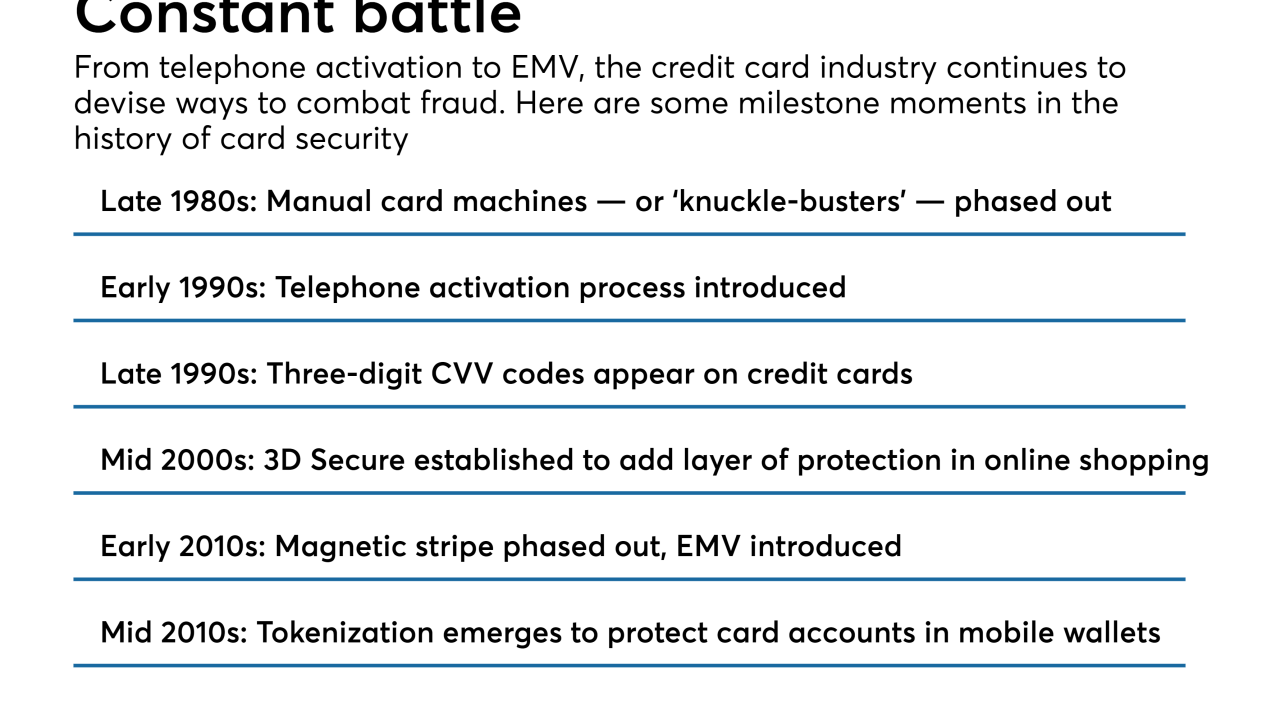
-
U.S. Bank's $600 million fine for AML lapses quickly drew readers attention, while acting CFPB Director Mick Mulvaney got the Cordray treatment on Capitol Hill and big banks made moves to speed real-time payments.
February 16
-
A sophisticated campaign by Russian actors seeking to manipulate the 2016 U.S. presidential election through social media included stealing the identities of Americans and using accounts at PayPal to aid their effort.
February 16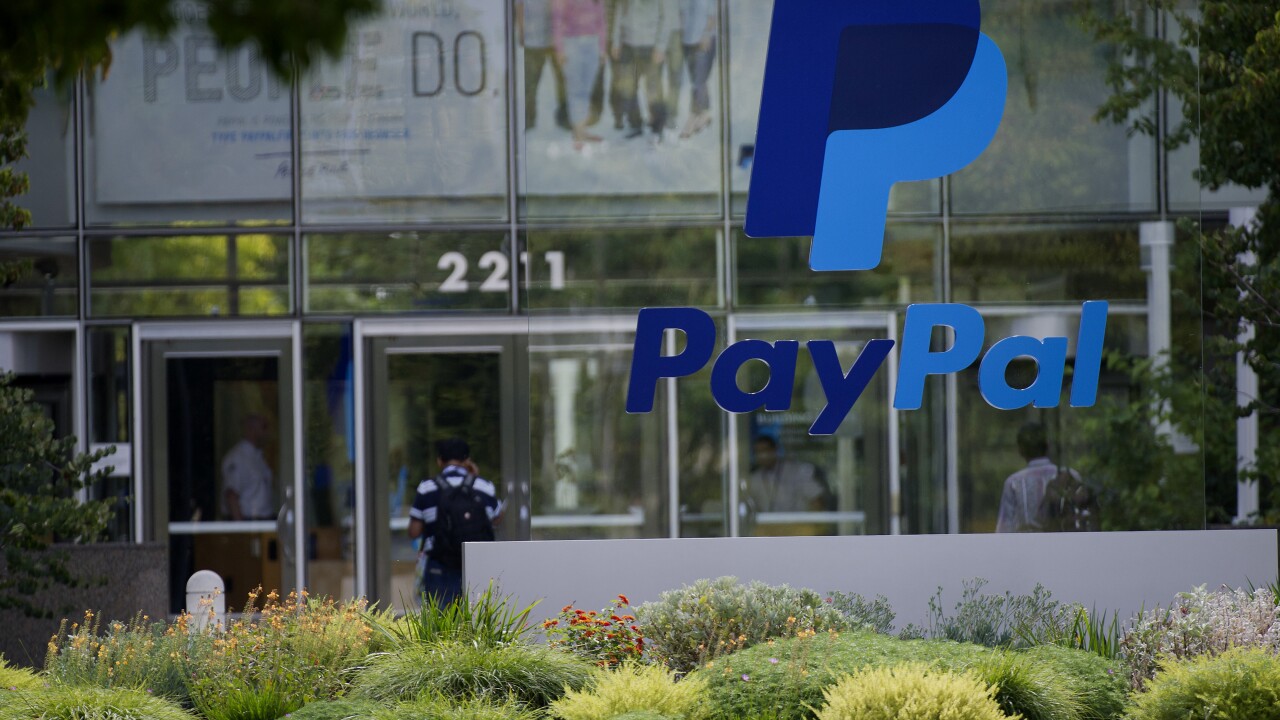
-
The finance sector had the highest number of breaches of all industries, with 471 in 2016, according to a report issued Friday by the White House's Council of Economic Advisers.
February 16
-
Bank’s alleged lax controls enabled a former customer to launder money in a payday lending scheme; digital currency has made back a chunk of its recent decline.
February 16
-
The bank’s unsullied image took a hit when it admitted to misleading regulators regarding its efforts to combat money laundering.
February 15


