-
The Republican proposal would bring the CFPB under congressional appropriations and curb several of its regulatory powers.
September 1
-
Many traders took the Federal Reserve chair's tough talk on inflation as a signal that the central bank is poised for a rate hike, but the corresponding dip in long-dated bonds proved short-lived.
 August 31
-
A continuing resolution to fund the government through mid-December would prevent the White House from blocking grants — including some in the banking sector — to states and municipalities that voted against President Donald Trump.
 August 31
-
Financial institutions were among 300-plus U.S. organizations robbed in a 2024 campaign.
 August 28
-
Five payment companies were named as defendants in a case that could set a precedent for both prediction markets and the financial firms working with them.
 August 28
-
State races — including governorships and attorney general contests — are more important for the banking industry as more states pick up consumer enforcement slack and pass aggressive legislation on fees.
August 28
-
Federal Reserve Chair Kevin Warsh reiterated his stance against offering markets forward guidance on interest rate moves and expressed concern about inflation in the first Jackson Hole speech of his tenure.
 August 28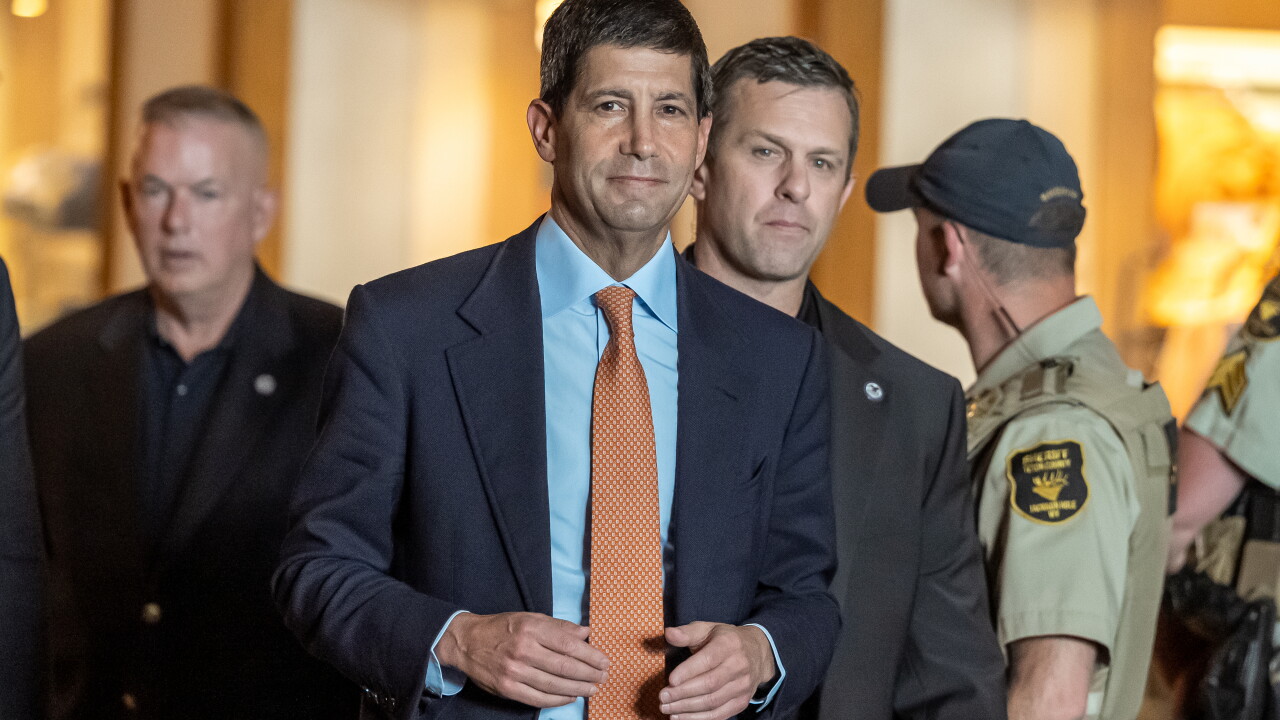
-
Federal Reserve Gov. Lisa Cook pushed back against the Trump administration's second attempt to remove her from the central bank over unproven allegations of mortgage fraud.
August 26
-
Banking industry groups are backing vulnerable incumbents as Democrats target vulnerable GOP-held seats. The trajectory of near-term financial services policy and oversight hangs in the balance.
August 26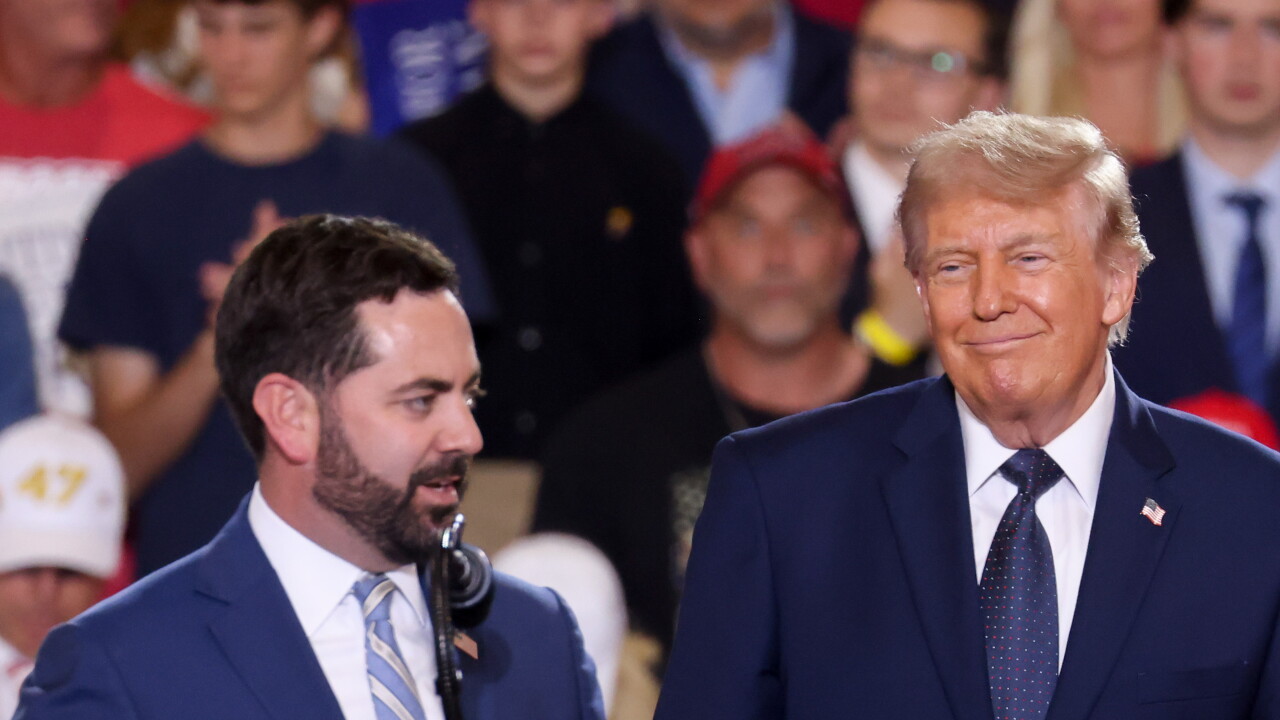
-
The Bureau of Economic Analysis reported that the personal consumption expenditures, or PCE, price index rose 3.7% from a year earlier, indicating that inflation remains above the Federal Reserve's target.
August 26
-
The Federal Deposit Insurance Corp. reported that strong profits and improvements in asset quality contributed to a strong earnings quarter for the banking industry, though capital declined and securities losses remained elevated.
 August 25
-
The Office of the Comptroller of the Currency has granted Sau Paulo-based Itaú Bank — the largest bank in Latin America — permission to set up shop in Miami.
August 21
-
A group of community development financial institutions are asking a federal court in California to compel Treasury to disburse funds from the CDFI Fund before they expire in September.
August 21
-
In a shifting regulatory environment, CCOs must move from a posture of constraint toward one of enablement, becoming entrepreneurial strategic leaders.
August 21
-
With the CLARITY Act stalled in Congress and GENIUS implementation ongoing, experts are questioning how much of a threat the products pose to bank deposits and services.
August 21
-
Commodity Futures Trading Commission Chair Michael Selig said the agency is exploring regulations that would establish clearer rules of the road for crypto exchanges and decentralized finance developers operating in the U.S.
August 20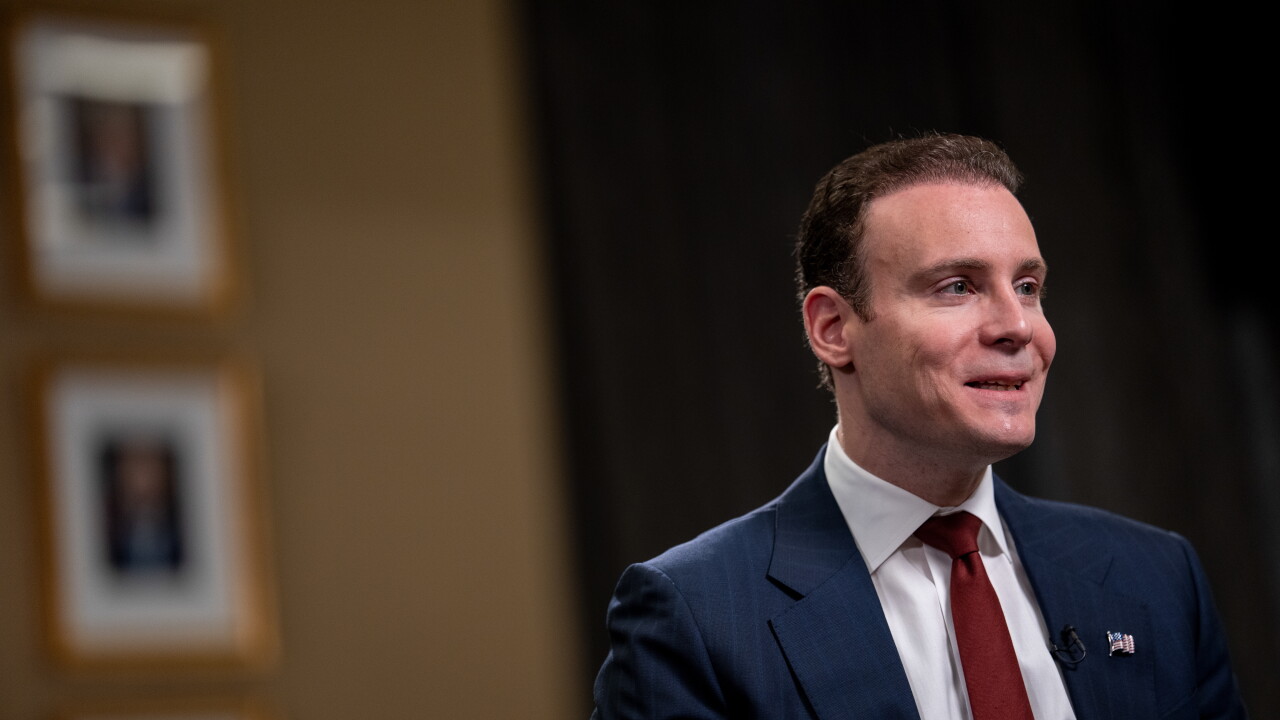
-
Treasury Secretary Scott Bessent said in an interview on CNBC Thursday that he and Office of Management and Budget Director Russell Vought have been tasked with developing a fiscal plan to reduce government spending.
August 20
-
Banks, credit unions and supervisors told the Federal Financial Institutions Examination Council that the legal ambiguity of "material financial risk" in the agency's supervisory rating proposal will create problems for banks and regulators down the road.
August 20
-
President Trump lobbied again for Congress to pass the CLARITY crypto market structure bill, but paths toward this Congress doing so are treacherous with few legislative days left.
August 19
-
The president has initiated a for-cause process to remove the Federal Reserve Board governor from office, something only one president has successfully done before. But that century-old precedent may not offer Trump much useful guidance in his quest.
August 19