
Tariffs in Banking
Tariffs are influencing the banking sector as bankers navigate today's economic volatility. Tariffs are introducing complexities that impact lending, investment strategies, and overall financial stability across areas of the financial world. As a banker, it is essential that you understand the many ways that tariffs could impact your organization, including escalating trade tensions and shifting regulatory landscapes. Explore our comprehensive coverage, including news, expert analysis, videos, webinars, and market research to stay up-to-date in real-time on the latest tariffs news and insights for financial professionals.
-
Industry experts with a reputation for making strong bets offer some picks and predictions for mortgage investment in a volatile market.
 April 9
-
The largest asset manager globally announced Tuesday it will enter a new master custody service agreement with Anchorage Digital, the only U.S. federally chartered digital asset bank.
 April 8
-
The rebate, which would be geared toward boosting U.S. manufacturers, would be issued at the end of the year to offset the effects of retaliatory tariffs.
April 8
-
Federal Reserve officials want to see how exactly new trade policies impact the U.S. economy before adjusting interest rates. Markets and monetarists have different ideas about what that might look like.
 April 8
-
President Donald Trump rejected a European Union proposal to drop tariffs on all bilateral trade in industrial goods with the U.S.
April 8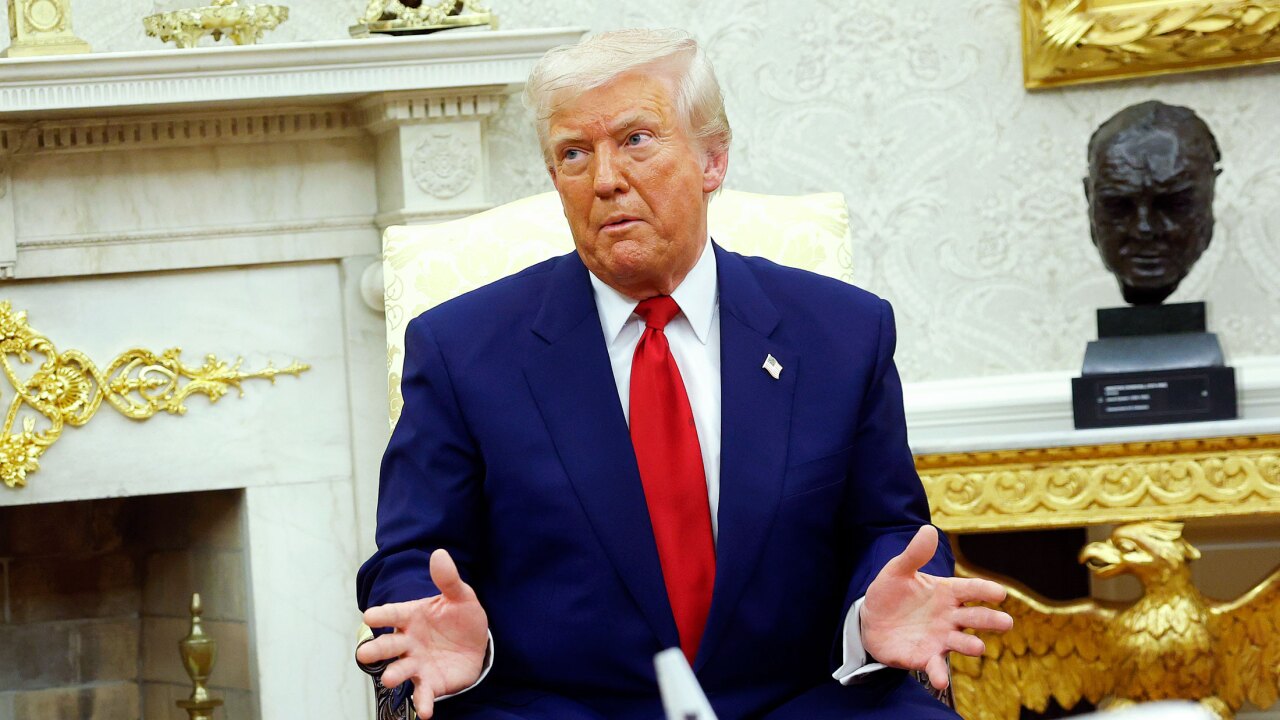
-
Veterans of the dot-com bubble of the late '90s, the early 2000s recession, the 2008 financial crisis and COVID-19 shutdown of 2020 say the more things change, the more things stay the same.
 April 7
-
From reduced demand for auto loans to a slowdown in mergers and acquisitions, here's some of the new trade war's potential fallout for lenders.
April 7


