

Brendan Pedersen covered Capitol Hill and regulatory politics for American Banker until September 2022. From 2019-2021, he covered the Federal Deposit Insurance Corp. and Office of the Comptroller of the Currency as well as fintech policy. Originally from Chicagoland, he was previously a staff writer for Kiplinger's Personal Finance and covered local business affairs in Denver, Colorado for BusinessDen.
-

Joseph Otting will step down May 29 as head of the OCC and turn the reins over to Brooks, a former financial services industry executive who worked with Otting at OneWest.
May 21 -

The Office of the Comptroller of the Currency watered down numeric metrics that some groups blasted and allowed more institutions to opt out of the new regime. But whether the agency has won over any detractors remains to be seen.
May 20 -

Comptroller of the Currency Joseph Otting’s regulation reforming the Community Reinvestment Act lacks performance metrics criticized in an earlier proposal. But neither the FDIC nor the Fed is supporting the final plan.
May 20 -
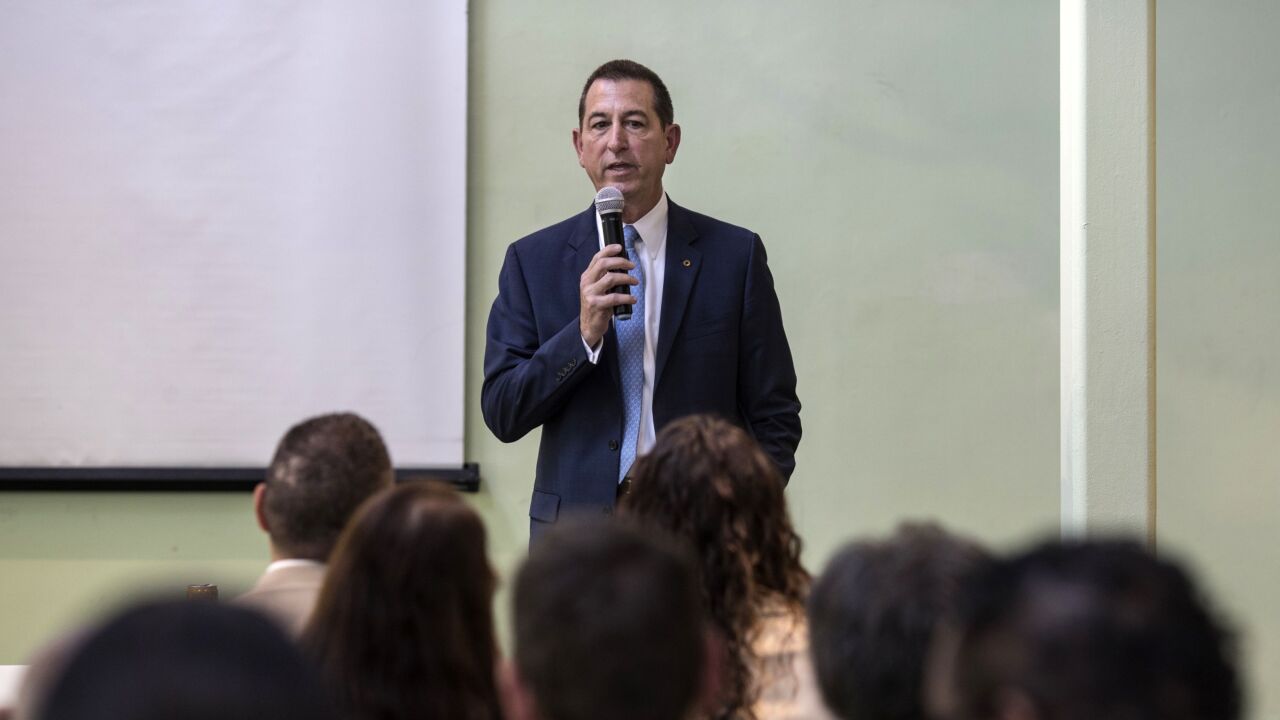
The final regulation will significantly revise a December proposal, responding to concerns from stakeholders. Meanwhile, in a surprising move, the regulator who had championed the reforms is expected to resign this week.
May 19 -

Democrats’ latest proposal to back debt collectors, enable loans for nonprofits and provide other relief could help steer negotiations with the Senate on more stimulus.
May 15 -
Democrats’ latest proposal to back debt collectors, enable loans for nonprofits and provide other relief could help steer negotiations with the Senate on more stimulus.
May 15 -

Congress authorized the Federal Deposit Insurance Corp. to intervene if the pandemic caused a liquidity scare, but nearly two months later deposits are through the roof and the agency has not acted on the expanded authority.
May 14 -

The agency said without further action banks' participation in coronavirus relief programs could inflate their deposit insurance assessments.
May 12 -
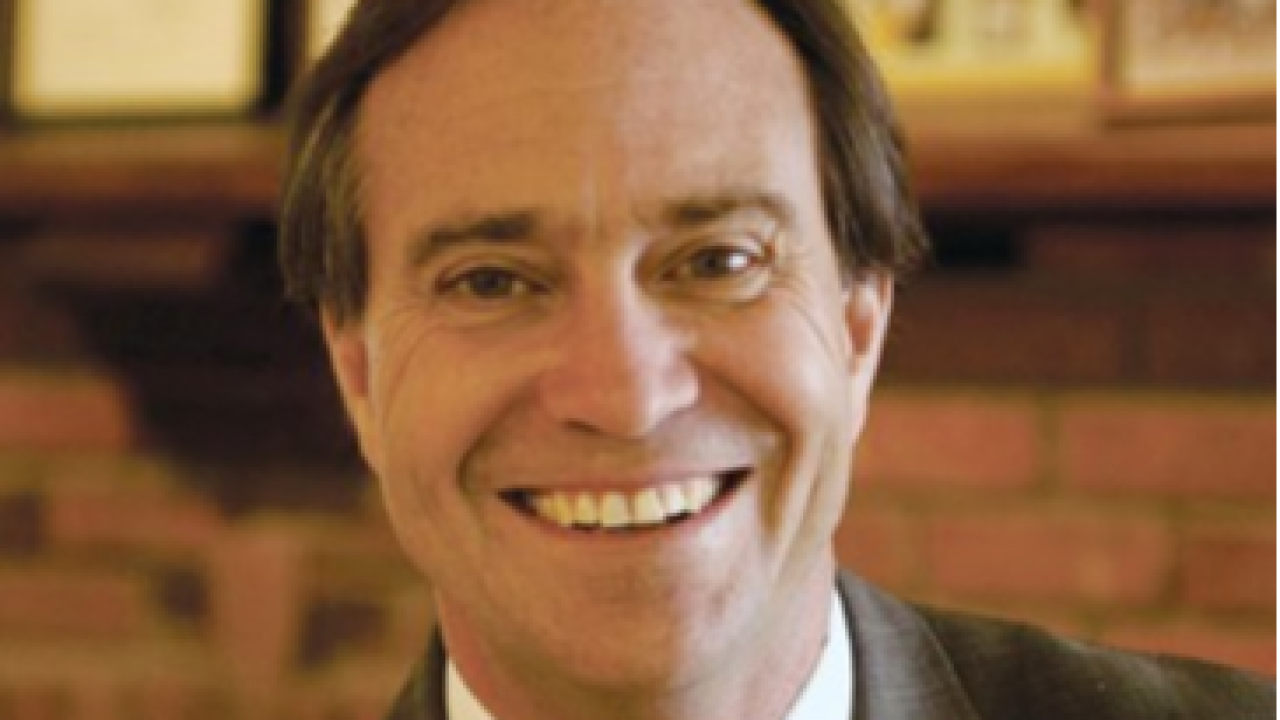
The proposal would give a safe harbor to financial institutions that work with cannabis companies in states where the substance is legal. But the bill, which would direct $3 trillion in aid to struggling households, businesses and local governments, faces long odds in the Republican-controlled Senate.
May 12 -
!["Further delay [of CRA reform] will prevent these additional resources from reaching those who need them most in this time of national emergency," said Comptroller of the Currency Joseph Otting in April.](https://arizent.brightspotcdn.com/dims4/default/1fc87bd/2147483647/strip/true/crop/5760x3240+0+300/resize/1280x720!/quality/90/?url=https%3A%2F%2Fsource-media-brightspot.s3.us-east-1.amazonaws.com%2F40%2F14%2Fee6cd5d544bd848ecc544e7f3fed%2Fotting-joseph-bl-050720.jpg)
The OCC is plowing ahead on plans to modernize the Community Reinvestment Act, but a growing consensus of industry and community voices says now is not the time for a major overhaul.
May 7 -

The agencies issued a rule to better enable banks to participate in two of the Federal Reserve’s lending facilities and “support the flow of credit to households and businesses.”
May 5 -

The Conference of State Bank Supervisors says parts of the plan are an overreach, while the agency should think twice about developing the proposal during the coronavirus pandemic.
May 5 -

The joint statement on the risks of cloud computing summarizes years of guidance and rules as industry reliance on third-party platforms has become more ubiquitous.
May 1 -

Federal regulators are now conducting nearly all supervision off-site as a result of the pandemic. The temporary measures are stoking a debate about whether they should be permanent.
May 1 -

In separate letters to Congress, the Fed asked for legislative action to ease Tier 1 capital minimums while the FDIC said it may use its own authority to address the market strain on banks.
April 30 -
![“The way [Congress] went with PPP—it turned into a traditional banking application with all the concerns that banks are going to have about dealing with credit,” the investor and entrepreneur Mark Cuban said on a recent podcast.](https://arizent.brightspotcdn.com/dims4/default/eea2c8d/2147483647/strip/true/crop/3998x2249+0+209/resize/1280x720!/quality/90/?url=https%3A%2F%2Fsource-media-brightspot.s3.us-east-1.amazonaws.com%2F15%2Ffe%2Fc6dd9ac34092a967d8d72626f923%2Fcuban-mark-bl-042420.jpg)
The billionaire investor and entrepreneur sees problems with small businesses having to apply for loans to get coronavirus relief. He says a more efficient approach would be to let them run negative balances on their bank accounts.
April 26 -

In a rare show of unity, banking industry and consumer advocacy groups told congressional leaders that it is not too late to ensure individuals can access all of their coronavirus relief funds promised by the government.
April 21 -

The plan first announced in February to update the deposit insurance sign and logo at bank teller stations and ATMs became just the latest regulatory effort slowed by the coronavirus pandemic.
April 16 -

In some cases, financial institutions are required by court order to divert funds to private creditors. But the industry has added its voice to a consensus for a legislative update to ensure Americans receive their full amount.
April 16 -

Midsize businesses and state and local governments are among the beneficiaries of the central bank's latest $2 trillion effort to mitigate the economic damage caused by the coronavirus pandemic.
April 9


!["Further delay [of CRA reform] will prevent these additional resources from reaching those who need them most in this time of national emergency," said Comptroller of the Currency Joseph Otting in April.](https://arizent.brightspotcdn.com/dims4/default/9926943/2147483647/strip/true/crop/5760x3240+0+300/resize/1440x810!/format/webp/quality/90/?url=https%3A%2F%2Fsource-media-brightspot.s3.us-east-1.amazonaws.com%2F40%2F14%2Fee6cd5d544bd848ecc544e7f3fed%2Fotting-joseph-bl-050720.jpg)


![“The way [Congress] went with PPP—it turned into a traditional banking application with all the concerns that banks are going to have about dealing with credit,” the investor and entrepreneur Mark Cuban said on a recent podcast.](https://arizent.brightspotcdn.com/dims4/default/1c6e69f/2147483647/strip/true/crop/3998x2249+0+209/resize/1440x810!/format/webp/quality/90/?url=https%3A%2F%2Fsource-media-brightspot.s3.us-east-1.amazonaws.com%2F15%2Ffe%2Fc6dd9ac34092a967d8d72626f923%2Fcuban-mark-bl-042420.jpg)


Load More