
Wells Fargo
Wells Fargo


Wells Fargo is one of the largest banks in the United States, with approximately $1.9 trillion in balance sheet assets. The company is split into four primary segments: consumer banking, commercial banking, corporate and investment banking, and wealth and investment management.
-

Even though industry economists and Federal Reserve officials expect the recent price surge to wane, some big-bank executives are expressing concern about the risk of an inflationary spiral hindering the recovery from the pandemic recession.
June 3 -

Government records detail dozens of complaints from company staffers related to COVID-19. The documents shed light not only on safety protocols at the nation’s fourth-largest bank, but also on employee relations at a firm that’s been dogged by scandal.
June 1 -

Sarah Dahlgren, who joined the scandal-plagued company in 2018, is departing of her own accord, according to a spokesman.
May 26 -

The $1 billion bond, which follows similar issuances by Citigroup, JPMorgan Chase, Bank of America and Truist Financial, gives a big role to broker-dealers owned by minorities, women and disabled veterans.
May 19 -

The U.S. arm of Mitsubishi UFJ Financial Group has hired nine bankers away from Wells Fargo in an effort to expand its restaurant finance group. The lender focused on the fast-casual and quick-serve segments during the pandemic and anticipates growth in that sector.
May 17 -

The company said it will increase access to affordable products, expand financial-education offerings and launch a National Unbanked Advisory Task Force.
May 17 -

The banks disclosed this week that they are under scrutiny for conduct that may have harmed consumers. The timing raises questions about whether the Consumer Financial Protection Bureau under President Biden is poised to bring more enforcement actions against large banks than it did under Trump-appointed Director Kathy Kraninger.
May 7 -

Ta is aiming to reduce turnover at Wells Fargo Advisors by revamping the succession planning program.
May 5 -

A group representing bank directors says the regulator’s sudden attempt to increase penalties by millions of dollars would set a dangerous precedent.
April 29 -
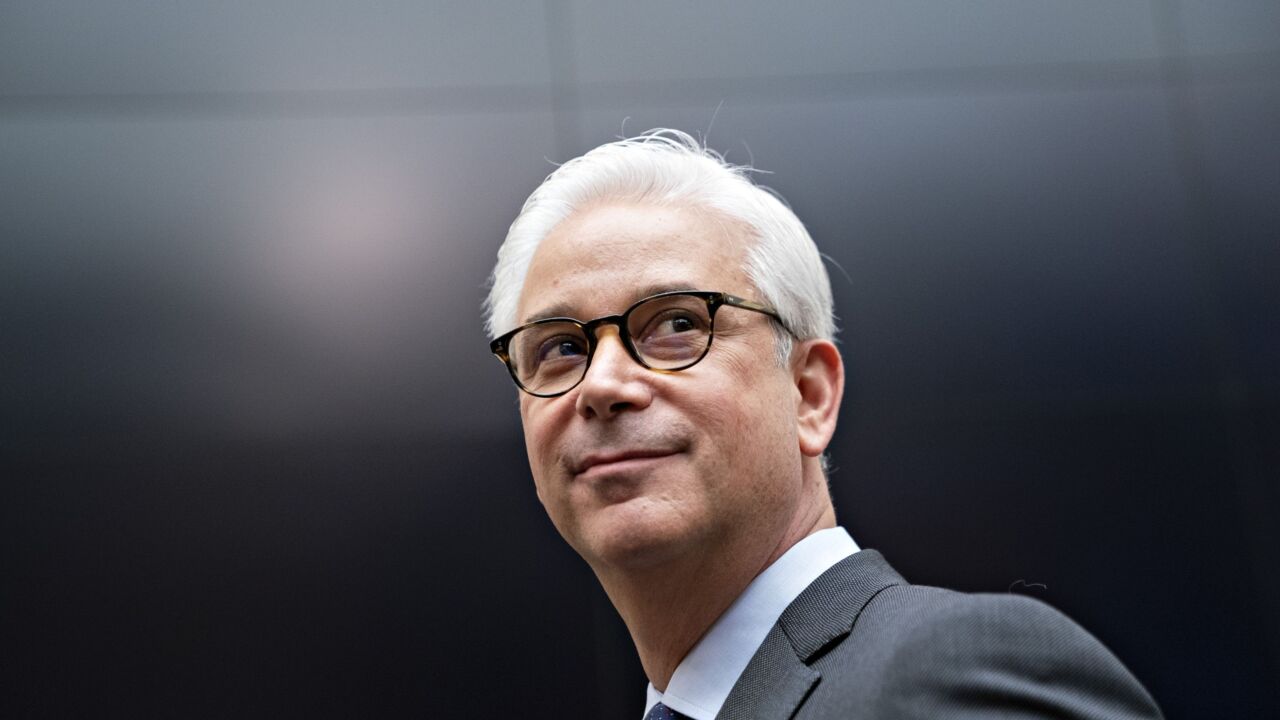
Profits slumped last year and many investors are now voicing their displeasure with the compensation awarded to senior leaders. A nonbinding “say on pay” vote taken Tuesday passed narrowly, but Chairman Charles Noski indicated that the board will take the results into account when designing future pay packages.
April 27 -

The agency’s cases against David Julian, Claudia Russ Anderson and Paul McLinko, which allege culpability for the bank’s phony-accounts scandal, are scheduled to go to trial in September.
April 22 -

Wells Fargo wants to use the real-time payments network being developed by the Federal Reserve for 24/7 liquidity management. The online-only First Internet Bank aims to use it to help customers manage their bills and cash flow.
April 19 -
Called by House and Senate Democrats, the hearings with the heads of the nation's six largest banks will take place over two days and will likely examine the industry's response to the pandemic and efforts to address climate change and racial equity.
April 15 -

Business owners have shown little interest in taking on debt during the pandemic. Will their attitudes change as the economy improves?
April 14 -

Net income was boosted by a $1.6 billion release of loan-loss reserves.
April 14 -
The San Francisco company has now backed 11 minority-owned banks as part of a $50 million pledge it announced last year.
April 13 -

Shares of the company advanced after it issued a statement about the bank’s prime-brokerage relationship with the family office.
March 30 -

The Rainforest Action Network says the 2020 decline stemmed more from weak energy demand during the pandemic than banks’ pledge to reduce financing to firms that contribute to climate change.
March 25 -
Wells Fargo, disposing of units to simplify operations, agreed to sell its corporate trust business to Australia’s Computershare Ltd. for $750 million.
March 24 -
Wells Fargo Chief Executive Charlie Scharf said he sees the U.S. economy coming back from the coronavirus pandemic in a strong way in the second half of the year.
March 17


STOCK SNAPSHOT
