-
Over the past week, regulators have proposed the most substantial changes to capital requirements for the largest banks in years, but the most startling thing was how unremarkable they were.
 April 13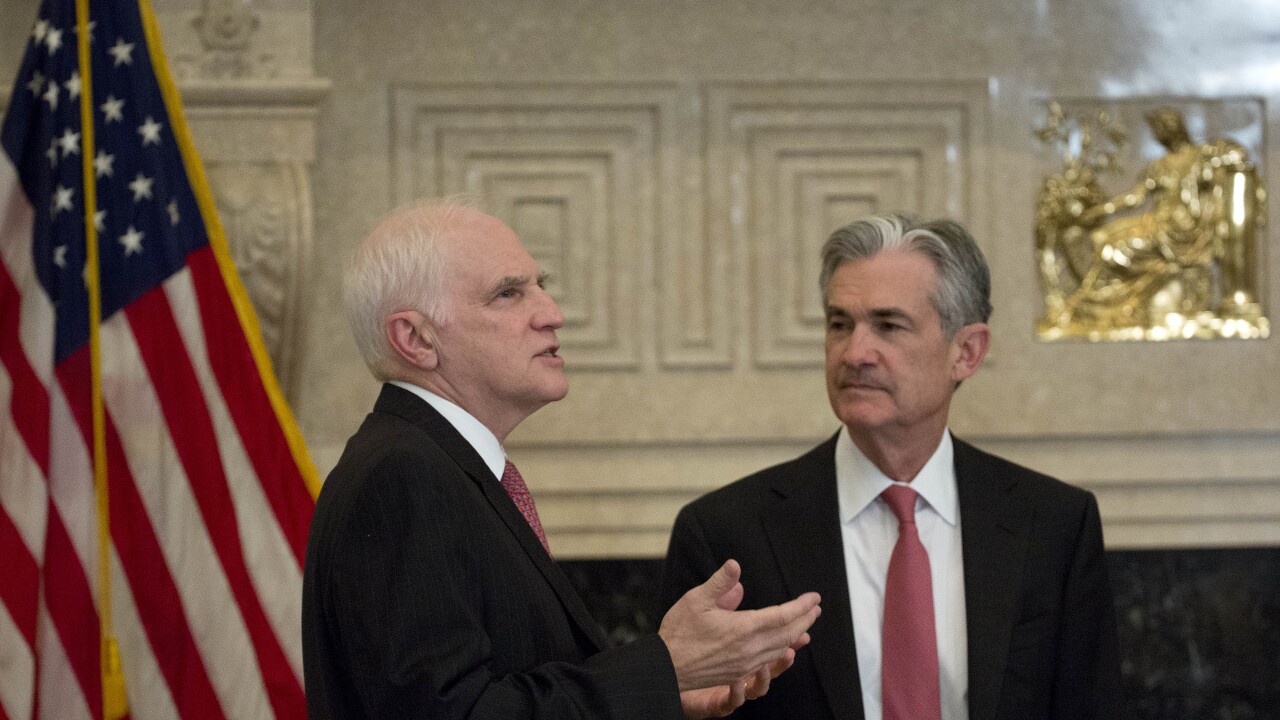
-
The agencies proposed changes to the way they apply a capital backstop to the largest systemically important firms, replacing a static leverage ratio with a more dynamic ratio that takes each bank’s risk profile into account.
April 11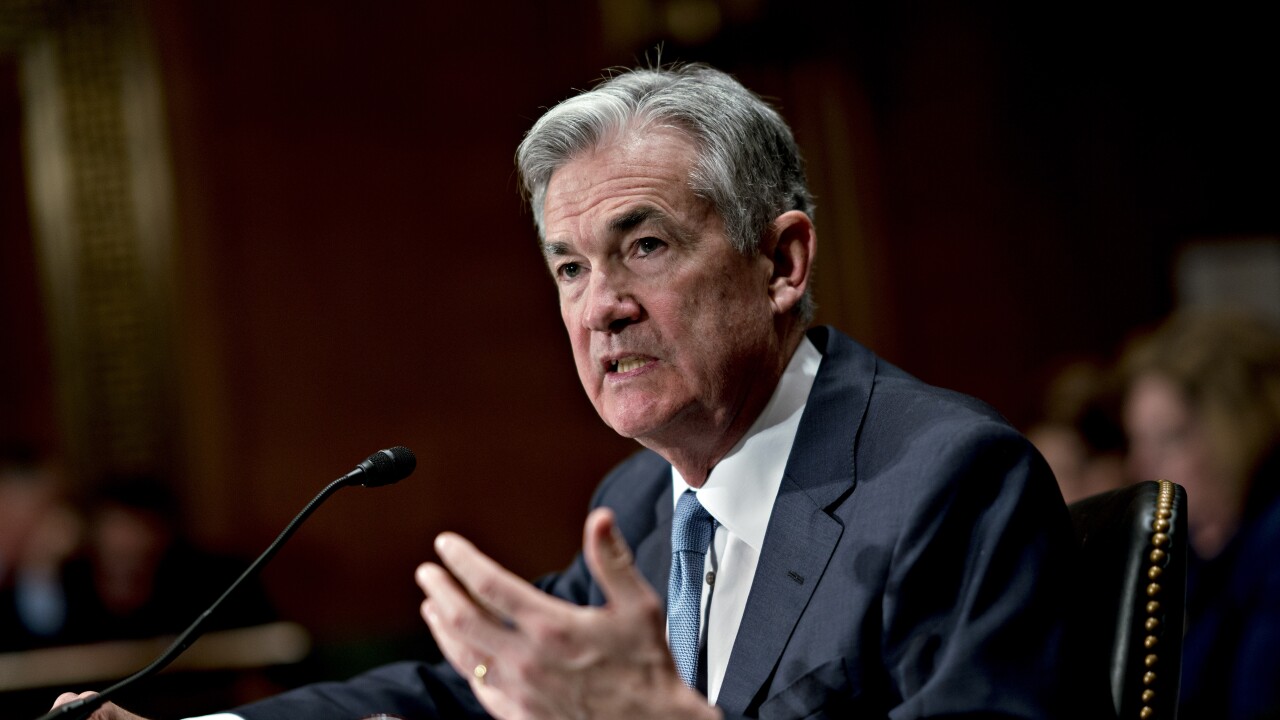
-
With the largest banks remaining profitable and globally competitive, Federal Reserve Chairman Jerome Powell said he has not yet heard a compelling case for giving them substantial regulatory relief.
April 6
-
In his last major speech as the agency’s No. 2, Thomas Hoenig said it would be a “serious policy mistake” to relax measures such as the supplementary leverage ratio, but he was more open to regulatory relief in other areas.
 March 28
-
The regulatory relief bill frees some regional banks from the tough supervision reserved for larger companies, but regulators still can subject them to onerous requirements.
March 23
-
While regulatory relief legislation would raise the asset threshold for “systemically important” banks, Federal Reserve Chairman Jerome Powell said the central bank could still apply prudential scrutiny to banks below that new cutoff.
March 21
-
Credit unions will be watching as the Senate's regulatory relief bill heads to the House, but government spending and interest rates may delay that process by several weeks.
March 19
-
Senate Majority Leader Mitch McConnell, R-Ky., filed a motion on the Senate floor Thursday setting up a potential vote next week on the bipartisan regulatory relief package.
March 2
-
Democrats used a hearing with Fed Chair Jerome Powell to lay the groundwork for an intraparty debate over the merits of the Senate’s regulatory relief bill.
March 1
-
Powell says he backs raising the SIFI threshold and easing capital requirements for big banks; Mulvaney says agency will weigh costs of compliance for lenders.
February 28
-
Federal Reserve Chair Jerome Powell largely hewed close to his predecessor's positions in his first congressional testimony as the top central banker, but also signaled important changes when it came to paying banks interest on reserves and other topics.
February 27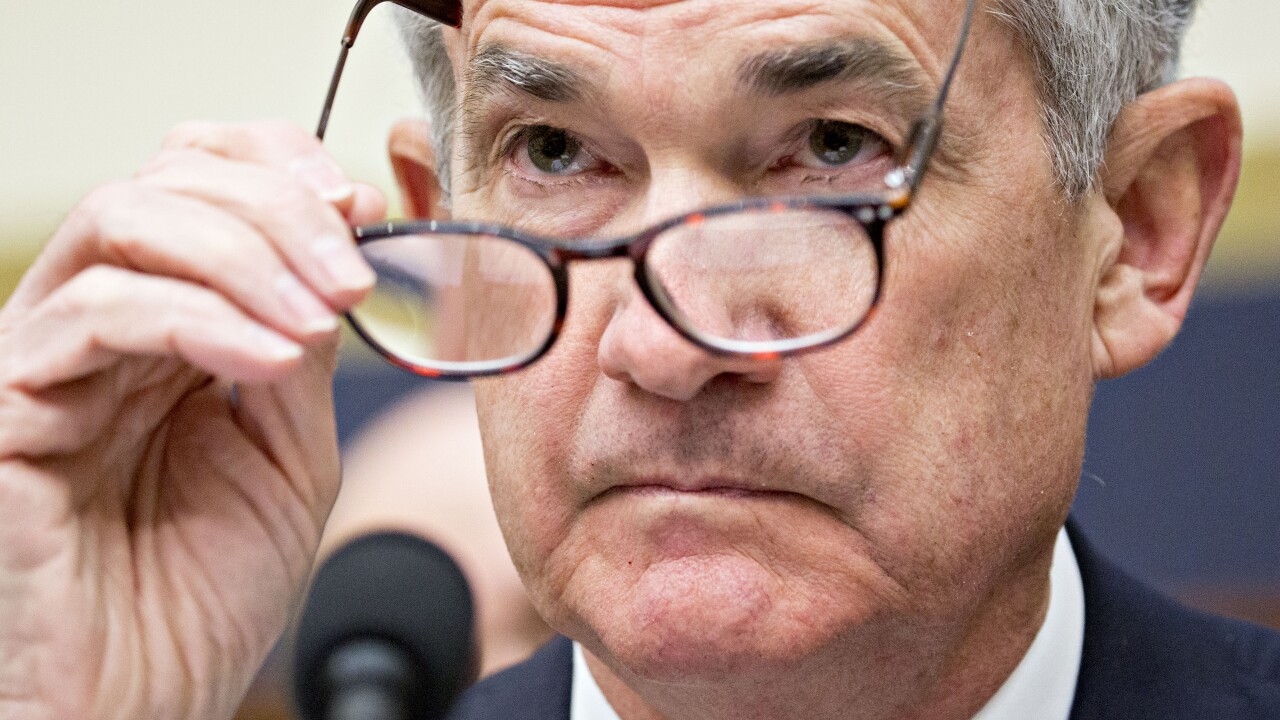
-
Jerome Powell is the first Federal Reserve chairman in more than a decade to have any background in the private sector. That could explain changes he's implemented in his first weeks on the job.
February 16 -
The Federal Reserve’s order restricting Wells Fargo puts other bank boards on notice that they could be singled out for failure to perform, but also makes it easier for them to avoid that fate.
February 6
-
Powell, a former investment banker who has served as a Fed governor, was confirmed by the Senate last month to a four-year term as chair of the central bank.
February 5
-
The Federal Reserve on Friday slapped Wells Fargo with one of the harshest orders it has ever handed down, but the message it sent went far beyond a single institution.
February 2
-
Her career at the Federal Reserve is one of remarkable accomplishments, but time will tell how her tenure ultimately is remembered in terms of her impact on bank regulation and stewardship of the economy.
February 2
-
Upper chamber approves nomination to succeed Janet Yellen; Twitter’s operations chief to take over online lender in March.
January 24
-
Senators overwhelmingly approved Jerome Powell to lead the Federal Reserve Board despite vocal opposition from some Democrats.
January 23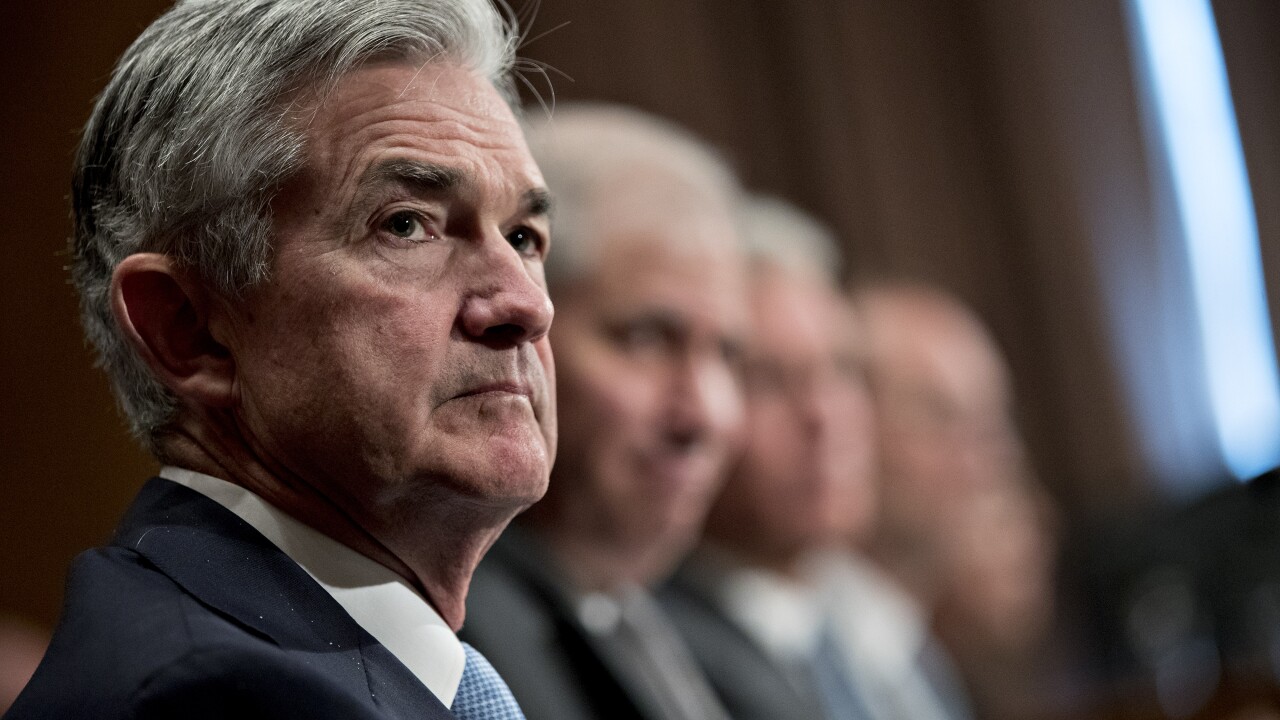
-
Bank says most of the benefits from tax reform will be used for dividends and buybacks; Michael Loughlin will stay on until his replacement is named later this year.
January 18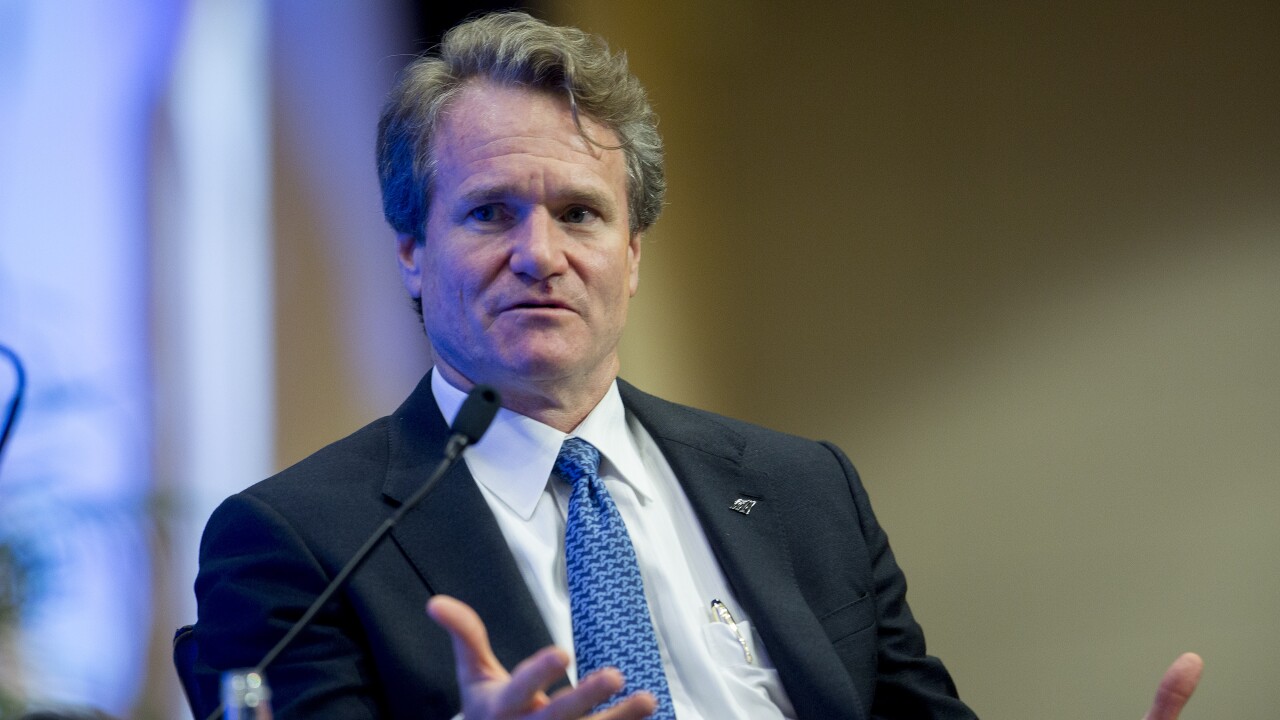
-
The Senate Banking Committee had approved Powell already in December, but a revote was necessary after the Senate adjourned for the year without finalizing his confirmation.
January 17


