
-
The Senate Banking Committee's passage of a regulatory relief bill is fueling optimism about its advancement, but it still must clear a series of legislative hurdles before becoming law.
December 6
-
A bipartisan Senate alliance working on a bank regulatory relief bill appeared even stronger Tuesday as it worked to minimize changes in the interest of moving the legislative package to the Senate floor.
December 5
-
The ill will between Democrats and Republicans in the controversy over appointing an acting Consumer Financial Protection Bureau chief adds a new wrinkle to bipartisan efforts to pass regulatory relief.
December 1 -
Numerous business sectors are urging lawmakers to act quickly to extend the National Flood Insurance Program before a crucial deadline next week.
November 30
-
Federal Deposit Insurance Corp. Chairman Martin Gruenberg raised concerns about provisions that would significantly increase the systemic risk threshold for large banks, as well as one that would change the calculation for the supplementary leverage ratio.
November 21
-
The White House and congressional GOP leaders are eyeing a tight window between tax reform passage and the 2018 midterms to pass housing finance reform. And with key policymakers readying their exit, the effort could be the most concerted push yet.
November 17
-
Bipartisan proposal would remove the SIFI label from more than two dozen banks; European regulator cautions investors on the risks as bitcoin price plunges.
November 14
-
It was a decidedly mixed bag for banks and credit unions in the Senate regulatory relief bill, with some institutions doing quite well while others were left out in the cold. Following is a guide to who was helped — and who lost out.
November 14
-
The regulatory relief bill would raise the SIFI threshold to $250 billion of assets and allow mortgages held in portfolio to be counted as "qualified," among other items, but it is far less sweeping than institutions had hoped.
November 13 -
While some community bankers and Washington advocates doubt the likelihood of achieving meaningful regulatory relief in the 115th Congress, the many measures advancing on Capitol Hill leave plenty of room for optimism.
November 13 ValueBank Texas
 -
Bank lobbyists are increasingly worried that the Senate Republicans may go further than the House in taxing large financial institutions as part of their reform push.
November 8
-
Fed Gov. Jerome Powell, who was first nominated to the central bank by former President Obama, is widely seen as a continuity choice.
November 2
-
Discussions on a regulatory relief package between the top Democrat and Republican on the Senate Banking Committee broke down late Tuesday, but members from both parties remain hopeful they can reach a bipartisan deal.
November 1
-
Discussions on a regulatory relief package between the top Democrat and Republican on the Senate Banking Committee broke down late Tuesday, but members from both parties remain hopeful they can reach a bipartisan deal.
November 1 -
Momentum is building to replace the hard-target $50 billion asset systemic risk threshold for banks with an indicator test, but it remains unclear whether it will be enough to get Congress to act.
October 27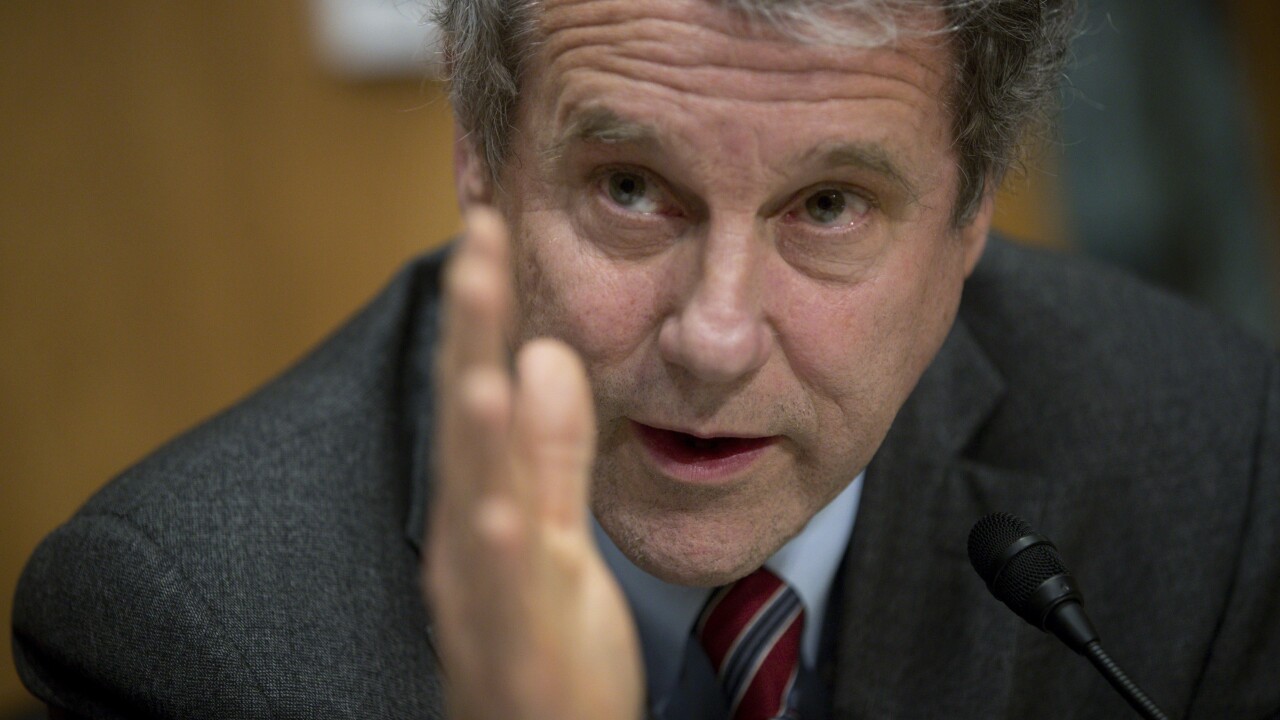
-
Top executives at nineteen regional banks sent a letter to the Senate Banking Committee endorsing a bill that would change the systemically important financial institution threshold from $50 billion in assets to an indicator test.
October 23
-
Senate lawmakers will soon introduce a bill that could more than quadruple the current $50 billion threshold to be considered a systemically important bank, National Economic Council Director Gary Cohn said Monday.
October 16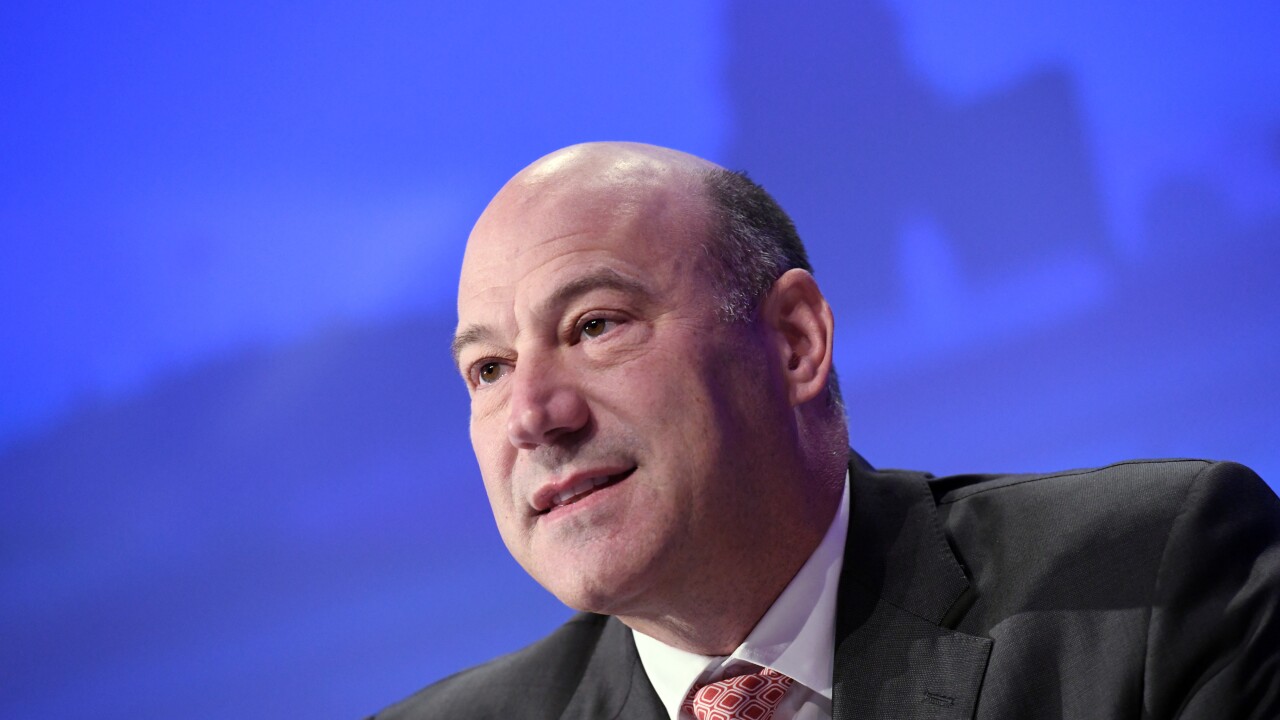
-
Congress may soon try to limit the personal identifiable information that companies and the government can collect on consumers based on their reaction to the massive data breach at Equifax.
October 4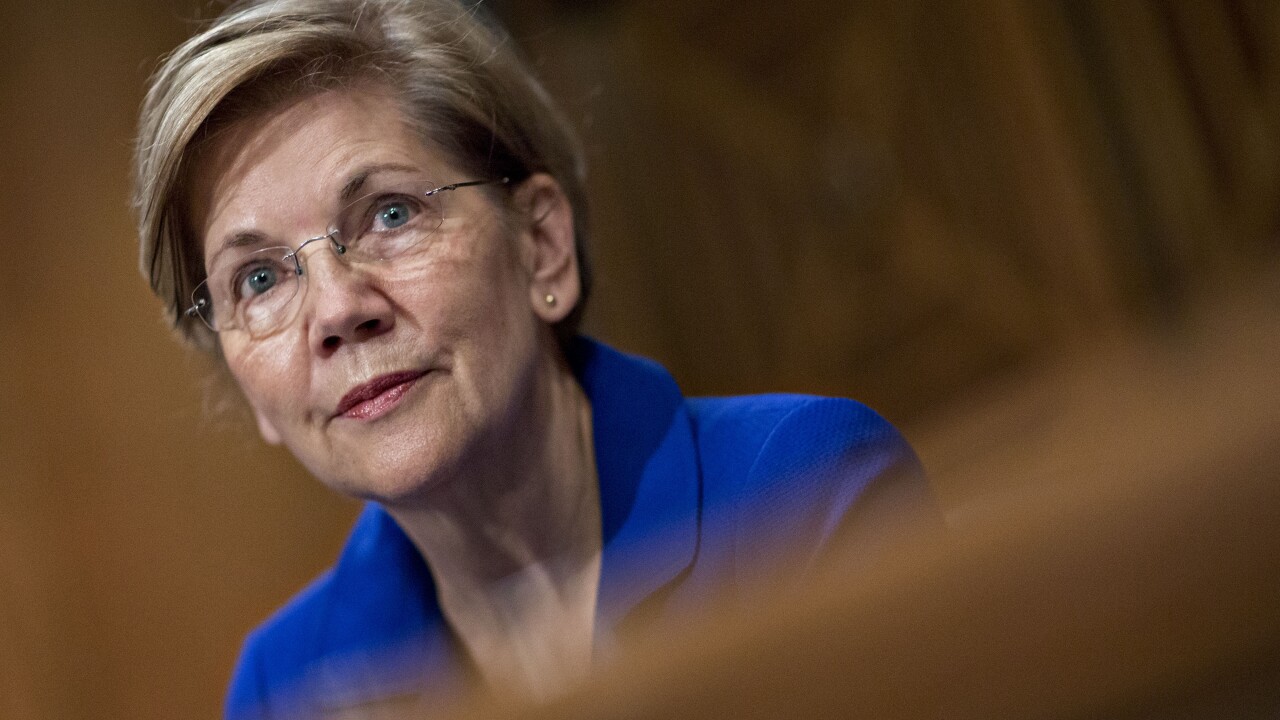
-
Under the bill, regional banks may eventually be able to shed the systemically important financial institution designation that subjects those with more than $50 billion in assets to tougher regulatory requirements.
September 28
-
Equifax observed an increasingly well-worn ritual of scandal-ridden firms by jettisoning CEO Richard Smith: apologize, promise to do better in the future, and sacrifice your top executive in the hopes it will ward off action by Congress and regulators.
September 26


