
Banking Politics & Policy News
American Banker's Politics & Policy coverage delivers news and analysis on how legislative action, federal agency rulemaking, regulatory politics, and public policy debates shape banking strategy, risk, competition, and compliance. Coverage explores congressional priorities, executive branch initiatives, regulatory agency actions, and the political forces that shape and impact the operating environment for financial institutions, payments companies, fintechs and distributed finance companies.
Bank leaders must navigate a dynamic policy environment where congressional action, regulatory priorities, and political forces influence capital standards, supervisory expectations, digital asset frameworks, deposit insurance, consumer rules, and competitive dynamics.
-
A carve-out that shielded billions of dollars in collateralized loan obligations from Dodd-Frank's risk-retention mandate could work against banks and other CLO managers if Dodd-Frank is overhauled.
April 12
-
The Office of the Comptroller of the Currency's top examiner at Wells Fargo was removed last month, according to Reuters.
April 7
-
Reader reactions to criticism of Jamie Dimon, the House GOP ganging up on Richard Cordray, a bank's decision to part with Excel to measure credit losses, and more.
April 7
-
Fifteen months before he resigned under a cloud, Jeffrey Lacker, then president of the Federal Reserve Bank of Richmond, found himself in an odd position.
April 6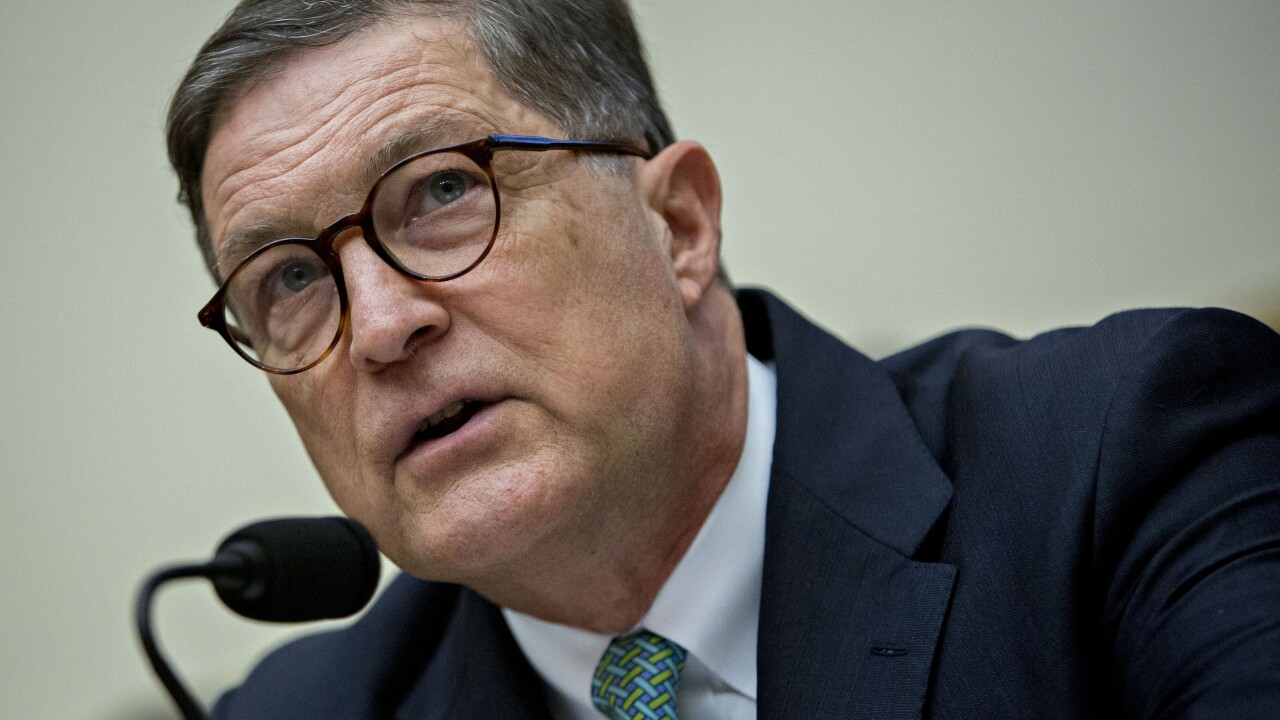
-
In a private meeting with lawmakers, White House economic adviser Gary Cohn reportedly said he supports a policy that could radically reshape Wall Street's biggest firms by separating their consumer-lending businesses from their investment banks.
April 6
-
Republicans on the House Financial Services Committee barraged the director of the Consumer Financial Protection Bureau on Wednesday with accusations that the agency is corrupt, as they tried to lay the groundwork for President Trump to remove the director for cause.
 April 5
-
The French megabank has sold its $120 million stake in a $2.5 billion syndicated loan to build the controversial Dakota Access pipeline.
 April 5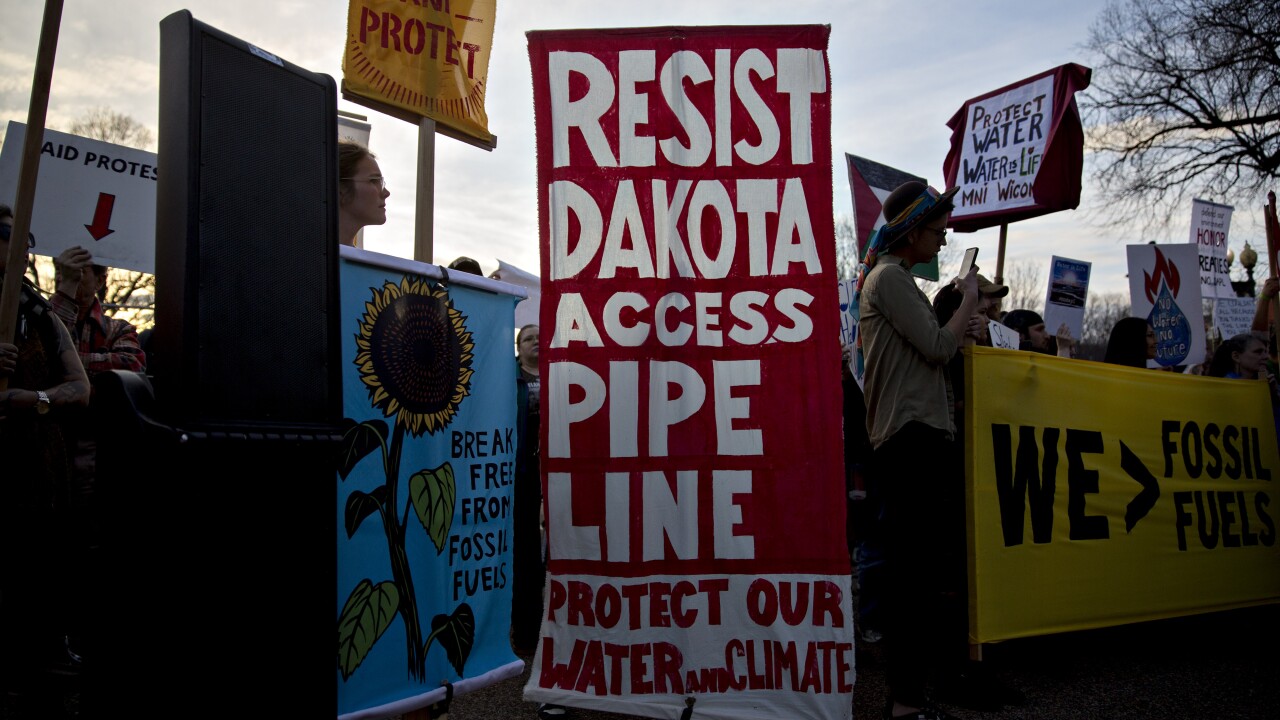


-

As governors prepare to designate new "opportunity zones," lenders and investors should take advantage of the chance to target capital to communities where it will both do good and generate strong returns.

-

Banks can price in risk and manage their way around both left-wing and right-wing administrations. But the kind of uncertainty that arises from today's brand of politics is impossible to model.

-

Efforts by individual states to rewrite existing rules governing interstate bank lending risk throwing the entire system into chaos. Only Congress has the ability to reestablish a workable set of national rules.


