
Stablecoins
How are banks approaching dollar-backed digital assets (stablecoins)?
Stablecoins have moved from the edge of the
Banks are testing stablecoins for cross-border payments, liquidity management, and digital wallets. Some are also exploring how stablecoins can support interbank transactions or be issued directly by regulated institutions. As the landscape takes shape, stablecoins are starting to look less like an experiment and more like infrastructure.
-
The Credit Union National Association kicked off its first in-person governmental affairs conference in two years with members sharing concerns about data-privacy rules, cryptocurrency, prospects for industry growth and the potential economic fallout of war in Europe.
 February 28
-
Wall Street gets an automated nonfungible tokens machine, credit union arrivals and departures, and more in banking news this week.
February 25
-
The firms are working to make this subset of cryptocurrency — which is designed to avoid wild swings in valuation — easier to adopt and more useful for routine transactions by focusing on "last mile, or user experience layer," says Jeremy Allaire, Circle's CEO.
 February 25
-
Block, the digital payments firm run by Jack Dorsey, reported strong quarterly sales that were in line with expectations but failed to impress investors.
February 24
-
A group of engineers and traders at the crypto prime brokerage SFOX are working on a way to expand access to Bitcoin for banks and big investors.
February 23
-
People are increasingly moving between jobs in crypto and the government agencies that police the industry, raising potential conflicts of interest that could undermine efforts to rein in the sector, according to a watchdog group.
February 23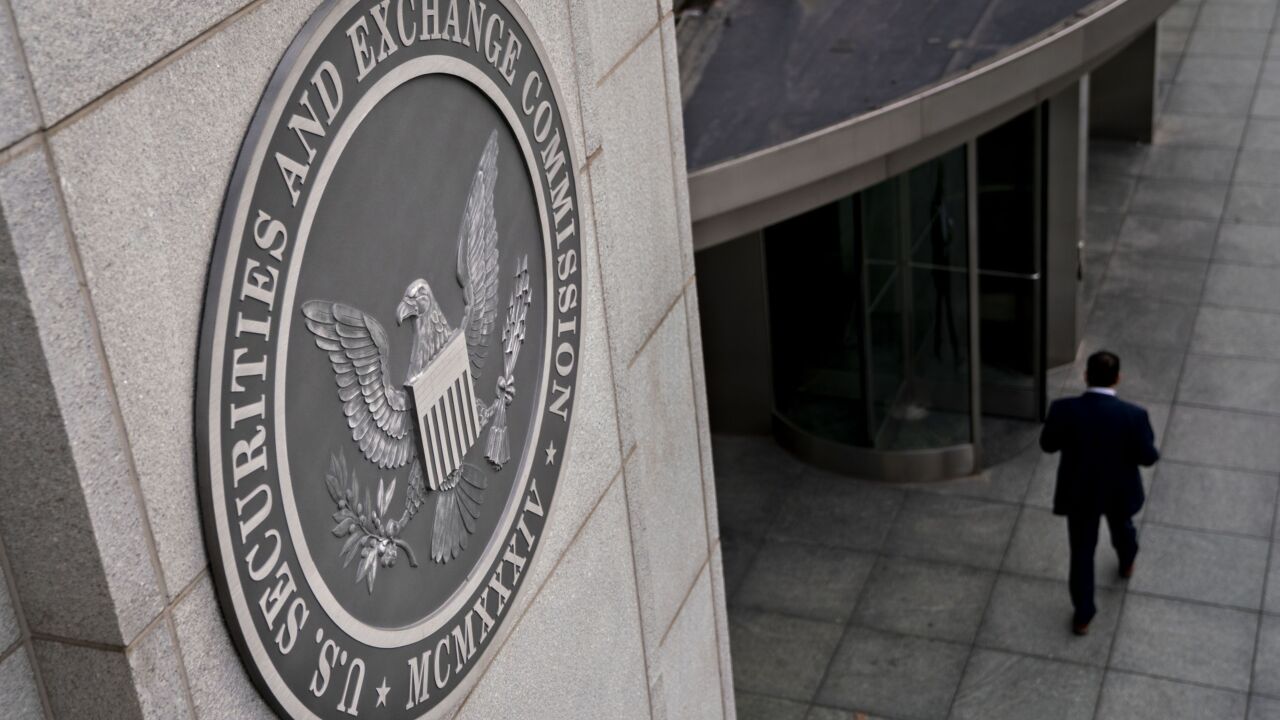
-
Super Bowl ads' impact, another overdraft-fees ouster, and more in banking news this week.
February 18
-
Eun Young Choi, a senior counsel for cybersecurity at the department, will be in charge of the federal effort to chase thieves and fraudsters involved with digital assets.
February 18
-
Coinbase Global, Gemini Trust and Robinhood Markets are among firms helping to build a platform to comply with a U.S. money laundering rule as crypto and financial technology companies seek to satisfy existing requirements and head off stricter oversight.
February 16
-
Global financial regulators said digital assets could soon threaten global financial stability due to their scale, structural vulnerabilities and increasing interconnectedness with the traditional financial system.
February 16


The first three months of the year coincide with the start of President Donald Trump's second term in office. Investors are likely to be more interested in banks' outlooks amid swings in tariff policy than the first-quarter results.


Frequently Asked Questions:
How are banks approaching dollar-backed digital assets (stablecoins)?
Stablecoins have moved from the edge of the crypto, world to the center of policy and banking conversations. As regulators and banks weigh their role in payments, settlement, and reserves, this page follows the developments — from early pilots to proposed legislation.
Banks are testing stablecoins for cross-border payments, liquidity management, and digital wallets. Some are also exploring how stablecoins can support interbank transactions or be issued directly by regulated institutions. As the landscape takes shape, stablecoins are starting to look less like an experiment and more like infrastructure.
Why are banks paying attention to stablecoins?
Stablecoins are increasingly viewed as a potential upgrade to legacy payments systems. Banks are evaluating them for settlement, remittances, cross-border transactions, and tokenized deposit models.Are banks issuing their own stablecoins?
Some are exploring the option. Institutions like JPMorgan (with JPM Coin) and new entrants like PayPal are piloting bank-issued stablecoins, while others are watching regulatory developments before moving forward.How do stablecoins impact compliance and risk?
Issues include KYC/AML enforcement, cybersecurity, operational risk, and how reserve assets are held and reported. Banks exploring stablecoin activity must weigh both technological benefits and regulatory scrutiny.How are regulators responding to stablecoin innovation?
Congress is debating stablecoin-specific bills focused on reserve backing, issuer licensing, and oversight. The Federal Reserve, OCC, and state regulators are also shaping how bank involvement in stablecoin activity is supervised.How are banks using stablecoin?
Banks are using stablecoins to speed up cross-border payments, manage liquidity across global branches in real time, and test new forms of settlement between institutions. Some are integrating stablecoins into retail-facing digital wallets, while others are exploring interbank networks built on tokenized payments. These efforts are less about crypto speculation and more about making money move faster, with greater transparency and fewer intermediaries.- Real-time cross-border payments
- Internal liquidity management
- Retail-facing digital wallets
- Interbank tokenized payment networks
Top banks investing in stablecoin
List of institutions with greatest investment in stablecoin:- JPMorgan Chase – JPM Coin
- Custodia Bank – Avit Tokens
- Citigroup - Citi Token Services
- Societe Generale - USD CoinVertible
- Bank of America - Name yet to be released
- Fifth Third - Name yet to be released
- U.S. Bancorp - Name yet to be released